OSHA 1926.759 Falling Object Protection Bid Checklist
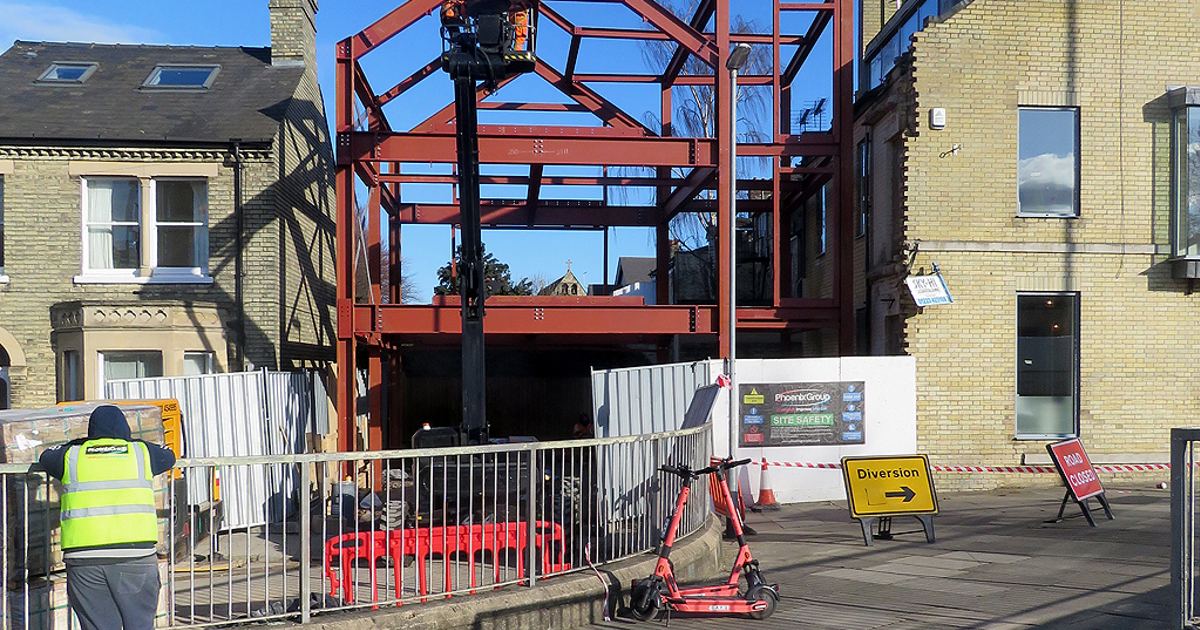
During the final push of preparing construction proposals, overhead safety coordination often gets lost in the rush to finalize trade scopes and material costs. However, federal safety regulations establish strict overhead safety mandates during structural steel activities that directly affect project logistics, labor efficiency, and schedule sequencing. Under eCFR Section 1926.759, federal rules outline clear requirements to protect workers from falling objects. Estimators, general contractors, and trade subcontractors must review these compliance requirements thoroughly to prevent unexpected overhead downtime, project delays, or unplanned field expenditures.
Checklist Item: Securing Loose Tools, Equipment, and Materials Aloft
The first mandatory compliance checkpoint under federal rules targets structural work occurring at elevated levels. Under paragraph (a) of the standard, all materials, equipment, and tools that are not in use while aloft must be secured against accidental displacement. This rule applies across elevated steel operations and requires crews to maintain active control over everything brought up to structural framing.
When compiling structural estimates and daily field budgets, estimators must confirm that field crews have the necessary equipment to comply with aloft securing rules. Essential bid-day verification items include:
- Tethering gear, tool lanyards, and attachment points for hand tools and power equipment operated at elevated locations.
- Secured storage containers, tool buckets, and robust storage boxes aloft to hold small loose hardware, fasteners, and connection supplies when not in active use.
- Tie-down assemblies, securing clamps, and restraint banding for staging structural items or uninstalled framing components against wind displacement and accidental movement aloft.
- Field labor allowances for crew members to inspect, bundle, and secure loose materials before shifting work areas or wrapping up work shifts.
Checklist Item: Controlling Contractor Barricade and Exclusion Requirements
The second major requirement in OSHA Section 1926.759 establishes a direct legal responsibility for the site's controlling contractor. Paragraph (b) mandates that the controlling contractor shall bar other construction processes below steel erection unless overhead protection for the employees below is provided. This standard specifically addresses hazards from falling objects other than materials being hoisted.
For prime contractors and general contractors building estimates, this requirement cannot be deferred until field operations begin. Bidders must determine whether their site management plan relies on physical overhead protection structures or exclusive spatial scheduling that clears trades from underlying zones. If overhead protection will not be erected, prime contractors must account for complete zone closures below the steel erector, preventing any overlapping operations on lower levels or slab areas.
Checklist Item: Interior Trade Protection and Work Zone Coordination
Subcontractors handling framing, drywall, ceilings, and interior mechanical layouts are often caught off guard by overhead exclusion rules. Because controlling contractors must bar lower-level construction below active structural framing unless adequate overhead protection exists, interior crews face immediate jobsite shutdowns if an overhead protection canopy or deck is not in place.
Trade estimators must cross-reference their project scopes against our comprehensive bid day checklist to ensure their crews are not scheduled into spaces where structural steelwork is actively ongoing overhead. If an estimator bids an interior package assuming immediate access to ground-level slabs or lower framing levels while structural steel erection continues above, uncoordinated exclusions will trigger trade stacking, unexpected standby time, and disrupted trade flow.
Checklist Item: Factoring Overhead Exclusions into Project Schedules
The operational mandate to bar construction processes below elevated structural work creates direct schedule friction. Bidders must examine the general construction schedule to evaluate how long elevated structural erection will dominate specific building sectors. If the controlling contractor opts not to build dedicated overhead protection barriers, whole sectors below must remain completely vacant during elevated operations.
Estimators should evaluate the following scheduling items prior to bid submission:
- Clear project phasing that prevents downstream interior trades from mobilizing into lower bays until elevated structural operations have completely cleared the zone.
- Sequenced material deliveries so stacked drywall, framing studs, or ceiling grid packages are not blocked or trapped beneath barred zones.
- Contingency staging plans allowing framing and drywall crews to pivot smoothly to alternative work sectors without incurring uncompensated field delays.
Checklist Item: Allocating Compliance Costs in General Conditions
Compliance with falling object rules requires dedicated capital and labor allowances that should be captured systematically within project general conditions. Leaving falling object safeguards out of the estimate forces the site team to absorb the cost of barricades, canopies, or delayed production out of trade margins.
Estimators should review overhead protection logistics to ensure every necessary cost is assigned to the appropriate cost code. When overhead protection is selected to allow work below, pricing must capture structural canopies, heavy-duty catch platforms, overhead netting, and physical barricading tape or signage needed to define safe zones. If structural canopies are omitted, the general conditions budget must account for extended site durations, altered crane timing, and coordinated trade sequencing to keep workers out from beneath active structural steel.
Sources
Federal standards referenced in this guide are derived from the following official safety resource:
Published October 28, 2026. No affiliate links on this page. Facts come from the sources linked above; check them for updates.