OSHA 29 CFR 1926.303 Bid-Day Checklist: Abrasive Tools
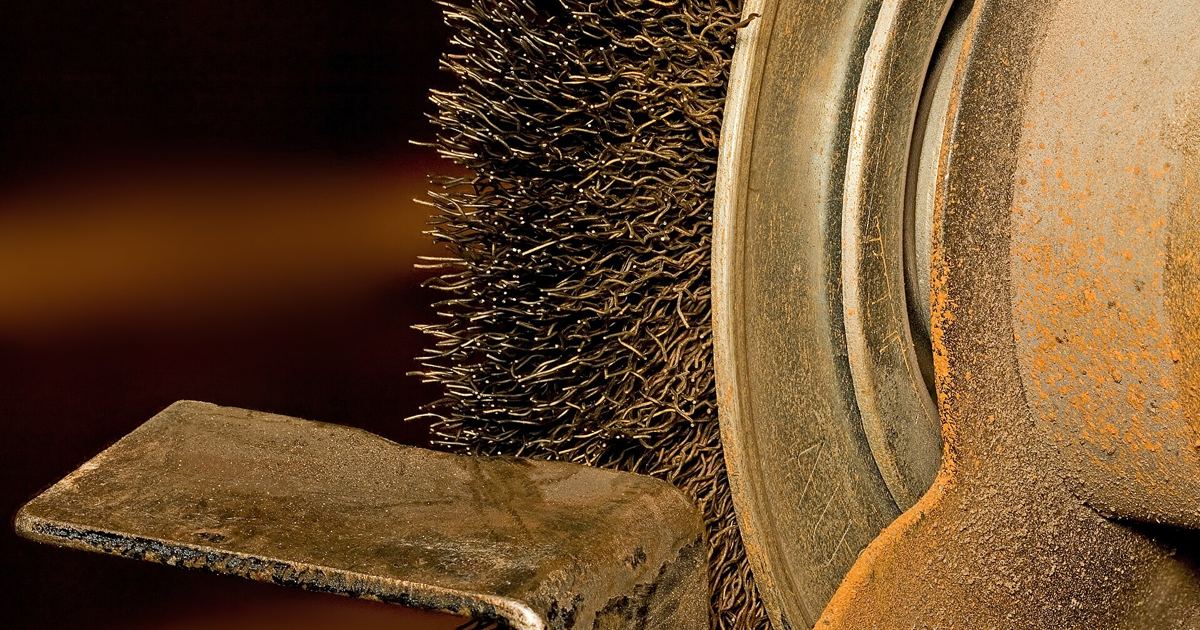
Grinding, deburring, and cutting with abrasive wheels are standard field tasks across metal framing, structural interiors, and mechanical prep work. When estimating project costs, trade contractors often overlook the compliance requirements associated with portable and stationary grinders. Bidding teams must verify that all equipment, guards, and setup protocols align with OSHA 29 CFR 1926.303. Missing guard hardware, incorrect work rest gaps, or improper wheel mounting can interrupt jobsite production and create unexpected field overhead.
Pre-Bid Equipment Review: Spindle Power and Guarding Integrity
Before pricing labor hours or allocating existing shop tools to a project, estimators should verify that all grinding machinery meets the baseline design standards set forth in OSHA 29 CFR 1926.303. The standard requires that all grinding machines receive sufficient power to maintain spindle speed at safe levels under normal operating conditions. Running underpowered machinery that bogs down under standard load increases hazards and slows production rates.
Every grinding unit must feature safety guards compliant with American National Standards Institute B7.1-1970, Safety Code for the Use, Care and Protection of Abrasive Wheels. Estimators should review equipment allowances to confirm guards satisfy these criteria:
- The protective guard covers the spindle end, nut, and flange projections.
- The guard is mounted to maintain proper alignment with the abrasive wheel.
- The strength of the guard fastenings exceeds the strength of the guard itself.
Specific exceptions exist where the nature of the work provides suitable operator protection, allowing the spindle end, nut, and outer flange to remain exposed, or allowing side covers to be omitted if the workpiece entirely covers the side of the wheel. Spindle ends, nuts, and outer flanges may also be exposed on machines manufactured specifically as portable saws.
Bench and Floor Grinder Geometry: Work Rests and Angular Exposure
Fixed grinding stations in project field trailers or site fabrication areas carry precise physical clearance and angular opening limits. Floor stand and bench-mounted abrasive wheels used for external grinding must feature protective hoods strong enough to withstand a bursting wheel.
The standard strictly controls the angular opening of the wheel hood:
- The maximum angular exposure of the grinding wheel periphery and sides cannot exceed 90°.
- If the trade work requires operator contact below the horizontal plane of the spindle, the angular exposure can expand to a maximum of 125°.
- In both configurations, the opening cannot begin more than 65° above the horizontal plane of the spindle.
Work rests represent another critical compliance item. Floor and bench grinders require rigidly supported, readily adjustable work rests. Estimators should account for routine maintenance checks to keep these rests adjusted to an opening not exceeding 1/8 inch (0.3175 cm) from the wheel surface. For offhand grinding machinery, work rests must be adjusted to compensate for wheel wear, firmly clamped after every adjustment, and never adjusted while the wheel is in motion. This prevents workpieces from wedging between the wheel and rest, which can cause sudden wheel breakage.
Portable Grinding and Wheel Sizing Verification
Portable abrasive tools used by field crews for external and internal grinding must also satisfy protective enclosure standards. For external grinding, cup type wheels require either a band type guard or a revolving cup guard built according to ANSI B7.1-1970. All other portable abrasive wheels used externally need protection hoods mounted in proper alignment to retain fragments during accidental wheel failure, with maximum angular exposure not exceeding 180°.
The standard exempts portable external grinders from these protection hoods only when the physical work location makes guarding impossible, in which case safety flanges designed to retain wheel pieces must be used. A second exemption applies when crews use small wheels 2 inches or less in diameter that are securely mounted on the end of a steel mandrel.
For internal grinding operations using portable tools, safety flanges are required unless the wheel diameter is 2 inches or less mounted on a steel mandrel, or the wheel operates entirely inside the workpiece during the grinding cycle.
Mounting Protocols: Ring-Testing and Flange Requirements
Abrasive wheel replacements should be factored into crew task times and consumable allowances. Field procedures must include proper inspection and mounting routines rather than hurried disc swaps. Key checklist requirements include:
- Conducting a close visual inspection and ring-test on every abrasive wheel prior to mounting to confirm it is free from cracks or hidden defects.
- Confirming the wheel fits freely onto the spindle without forcing or reaming the hole.
- Tightening the spindle nut only enough to anchor the wheel securely without over-torquing.
- Using safety flanges only with wheels specifically designed to match them, ensuring correct assembly to retain wheel fragments if breakage occurs.
- Meeting all additional requirements established in ANSI B7.1-1970.
Eye Protection and Attached Shielding Checklist
Tool compliance directly impacts personal protective equipment budgeting. Under the abrasive wheel standard, all workers operating abrasive wheels must receive eye protection equipment in accordance with subpart E. The only exception occurs when bench or floor stand grinders feature permanently attached eye shields that provide adequate protection to the user.
Estimators finalizing bids should review our Bid Day Checklist for Drywall and Ceiling Subcontractors and allocate miscellaneous tool accessories and protective items under Estimating General Conditions so mandatory safety items are fully covered before proposal submission.
Sources
eCFR: 29 CFR 1926.303 - Abrasive Wheels and Tools
Published October 28, 2026. No affiliate links on this page. Facts come from the sources linked above; check them for updates.