OSHA 29 CFR 1926.503 Fall Protection Training: Field Rules and Bidding Impact
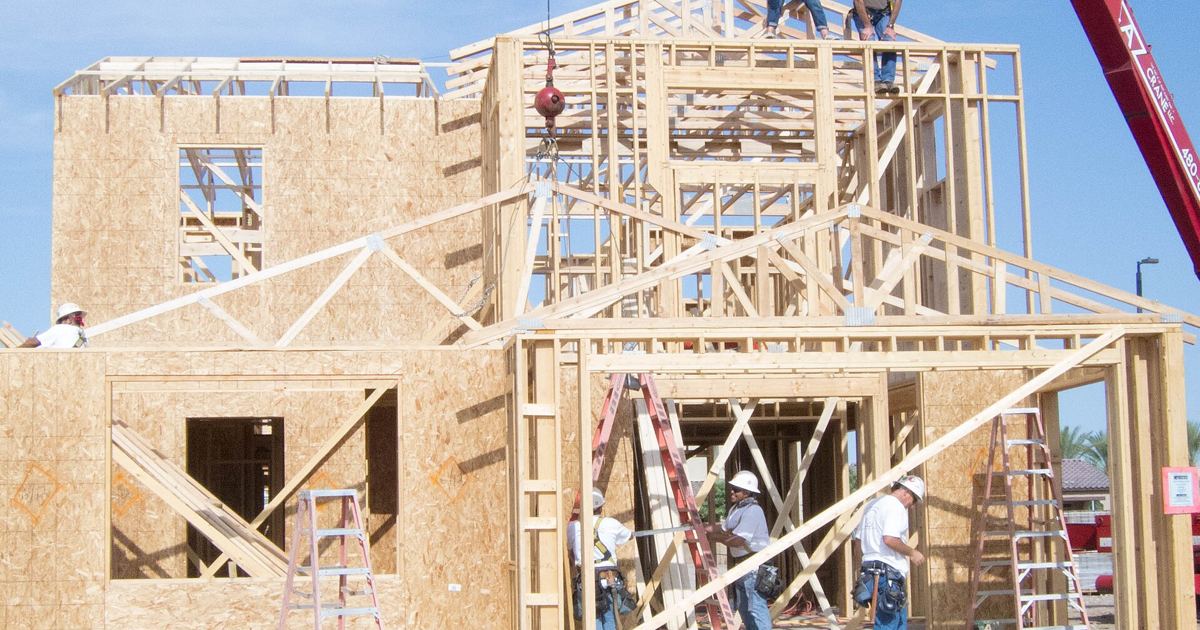
Falls represent a primary hazard across commercial building projects. In construction, simply purchasing harnesses or setting up perimeter cables does not satisfy federal safety mandates. Under federal regulations, any crew member exposed to fall hazards must receive formal safety instruction before beginning work. Understanding OSHA 29 CFR 1926.503 helps estimators and project managers account for mandatory safety hours, competent person supervision, and recordkeeping obligations when assembling competitive bids.
Core Training Mandate Under 29 CFR 1926.503(a)
Under paragraph (a) of the standard, the employer must establish an active training program for each employee who might face exposure to fall hazards on the job. This standard supplements and clarifies the broader safety instruction mandates of 29 CFR 1926.21 regarding hazards covered in subpart M.
The program has two explicit regulatory objectives. First, it must enable each worker to recognize the hazards associated with falls. Second, it must train each worker in the established procedures designed to minimize those hazards. Contractors cannot treat safety talks as casual informal reminders; the standard demands an organized program that directly prepares employees for jobsite conditions.
Required Topics and Competent Person Qualifications
OSHA requires that training be delivered by a competent person who is qualified in specific technical subject areas. Under 29 CFR 1926.503, the instruction must address all relevant operational areas, including:
- The nature of fall hazards present across the active work area.
- Correct procedures for erecting, maintaining, disassembling, and inspecting the specific fall protection systems being utilized.
- The proper use and operational mechanics of guardrail systems, personal fall arrest systems, safety net systems, warning line systems, safety monitoring systems, controlled access zones, and other protective methods.
- The precise role of each worker when a safety monitoring system is deployed on the job.
- Limitations governing the use of mechanical equipment during roofing operations on low-sloped roofs.
- Correct procedures for handling and storing materials and equipment, alongside the proper erection of overhead protection.
- The assigned roles and responsibilities of employees working under designated fall protection plans.
- The complete regulatory standards contained in subpart M. (Non-mandatory guidelines to assist employers with subpart M requirements are set forth in the subpart's appendices.)
Written Certification Records Under Paragraph (b)
Providing the instruction is only part of the regulatory requirement; employers must also prove compliance through formal documentation. Under 29 CFR 1926.503(b), the employer must prepare a written certification record to verify compliance with the training rules.
The written certification record must include:
- The name or other identity of the employee who completed the training.
- The specific date or dates when the training was conducted.
- The signature of the person who conducted the training, or the signature of the employer.
If an employer relies on training completed by a previous employer, or instruction completed prior to the effective date of the section, the written record must reflect the date the current employer determined that the prior training was adequate, rather than the date the original training took place. Employers must maintain the latest training certification record on file.
Mandatory Retraining Triggers Under Paragraph (c)
Training under subpart M is not necessarily a one-time event. If an employer has reason to believe that a previously trained worker does not possess the requisite understanding and skill, paragraph (c) requires that worker to be retrained. The regulation identifies three specific scenarios that mandate retraining:
- Workplace modifications that render earlier training obsolete.
- Changes in the specific types of fall protection systems or gear in use that make earlier instruction obsolete.
- Observed inadequacies in an employee's knowledge or equipment use indicating that the worker has not retained the necessary skill or understanding.
Factoring Fall Protection Training Into Your Bids
For drywall, framing, and interior subcontractors, training requirements directly affect labor productivity and job overhead. Workers attending safety sessions spend time off their tools, both during initial onboarding and when site conditions trigger mandatory retraining. Competent persons must also spend billable hours conducting sessions, assessing prior training adequacy, and compiling certification logs.
Estimators account for these obligations by incorporating non-productive training hours into their labor burden rate or including competent person oversight under site supervision within general conditions. Evaluating whether an upcoming project relies on complex systems—such as safety monitoring systems or controlled access zones—allows estimators to carry the appropriate non-productive time in their proposals before work begins.
Sources
Electronic Code of Federal Regulations: 29 CFR 1926.503 Training Requirements
Published October 28, 2026. No affiliate links on this page. Facts come from the sources linked above; check them for updates.