OSHA 29 CFR 1926.701 Compliance: Concrete Bid-Day Checklist
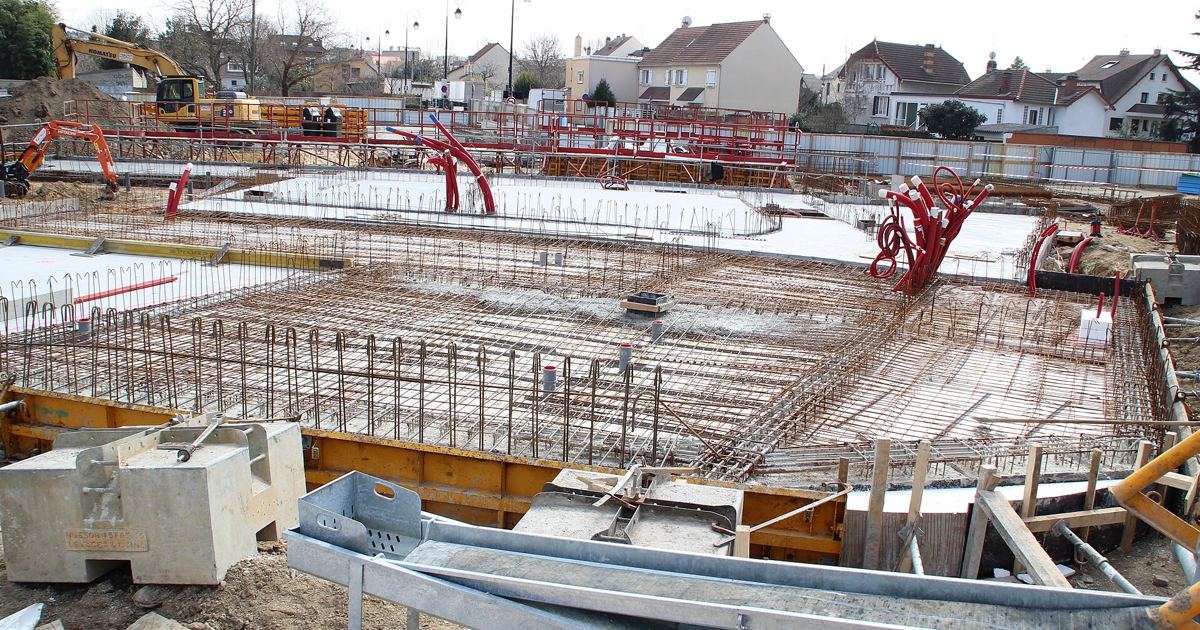
Pricing concrete work or bidding interior packages on elevated slabs requires estimators to account for safety mandates before finalizing proposal numbers. Federal safety standards under eCFR 29 CFR 1926.701 establish strict baseline requirements for reinforced concrete operations, post-tensioning safety, material staging, and overhead handling. Missing these items on bid day leaves field superintendents scrambling to purchase safety gear or build barricades out of base contract margins. Review this bid-day checklist to make sure your project proposals capture every mandated control.
Checklist Item: Impalement Guarding for Protruding Reinforcing Steel
Under 29 CFR 1926.701, all protruding reinforcing steel onto and into which employees could fall must be guarded to eliminate the hazard of impalement. Whether your crews are tying rebar, placing forms, or framing interior partition tracks adjacent to vertical dowels, protruding bars represent an immediate hazard that requires physical coverage.
When compiling your material estimates, verify whether the general contractor provides protective covers or if your firm must supply them. Estimators should account for protective troughs, caps, or lumber guards suitable for rebar assemblies across every level. Factor in the field labor needed to install, remove, and replace rebar protection as work advances across the deck, ensuring these costs are captured in your general conditions estimate rather than absorbed as unallocated overhead.
Checklist Item: Post-Tensioning Safety Zones and Signage
Post-tensioning cable operations introduce extreme mechanical forces to the building perimeter and require strict boundary controls. The standard mandates that no employee, except those essential to post-tensioning operations, is permitted behind the tensioning jack during stressing operations. In addition, physical signs and barriers must be erected to limit employee access to the tensioning zone while operations are active.
Incorporate barricade tape, rigid barriers, and high-visibility warning signage into your bid package. Schedule coordination is equally vital. If tensioning work halts adjacent operations, estimators must sequence work packages so framing, mechanical, or layout crews are shifted to non-restricted deck zones during post-tensioning intervals.
Checklist Item: Structural Verification for Construction Loads
Staging heavy building materials across green or newly stripped concrete decks poses severe collapse risks. Section 1926.701 establishes that no construction loads shall be placed on a concrete structure or portion of a concrete structure unless the employer determines that the structure is capable of supporting the loads. This determination must be based directly on information received from a person who is qualified in structural design.
Subcontractors stocking dense material packages—such as bundled drywall boards, metal stud packs, block pallets, or shoring equipment—must factor in engineering review time. Determine whether engineering verification fees are covered under prime contract provisions or if your firm must retain an engineer. Build lead times into your production schedule so deliveries do not arrive before structural capacity approvals are issued.
Checklist Item: Bucket Transportation and Overhead Hazards
Concrete hoisting procedures present significant hazards to crews working beneath rigging paths. Federal regulations explicitly prohibit employees from riding concrete buckets under any circumstance. Furthermore, no employee is permitted to work under elevated or lowered concrete buckets while the equipment is being positioned.
The standard also requires that, to the extent practical, elevated concrete buckets must be routed so that no employee, or the fewest number of employees, are exposed to falling bucket hazards. Estimators should review crane placement drawings and bucket staging areas during pre-bid reviews. If bucket routes cross active work corridors, schedule pour shifts during off-hours or budget for dedicated spotters to hold trades back from hoist flight paths.
Checklist Item: Protective Equipment for Pneumatic Mixture Placement
When applying a mixture of cement, sand, and water through a pneumatic hose, specialized worker protection is required. The standard dictates that no employee is permitted to apply this mixture unless they are wearing protective head and face equipment. Estimators must include face shields, specialized headgear, and replacement protective lenses in bid takeoffs for nozzle operators and close-support tenders.
Bid-Day Review Steps for Estimators
Use this final summary alongside your standard bid day checklist before submitting your price:
- Confirm contract responsibility for all vertical rebar impalement protection across active slabs and footing lines.
- Carry material and labor allowances for perimeter barriers and warning signage around active post-tensioning jacks.
- Verify that structural capacity sign-offs from a qualified designer are scheduled prior to deck material loading.
- Coordinate concrete bucket flight paths with site logistics plans to avoid shutting down productive crew zones.
- Include mandatory head and face protection equipment for pneumatic cement hose applicators in safety equipment line items.
Sources
Electronic Code of Federal Regulations: 29 CFR 1926.701 General Requirements
Published October 28, 2026. No affiliate links on this page. Facts come from the sources linked above; check them for updates.