OSHA Construction Noise Exposure: Estimator Bid Checklist
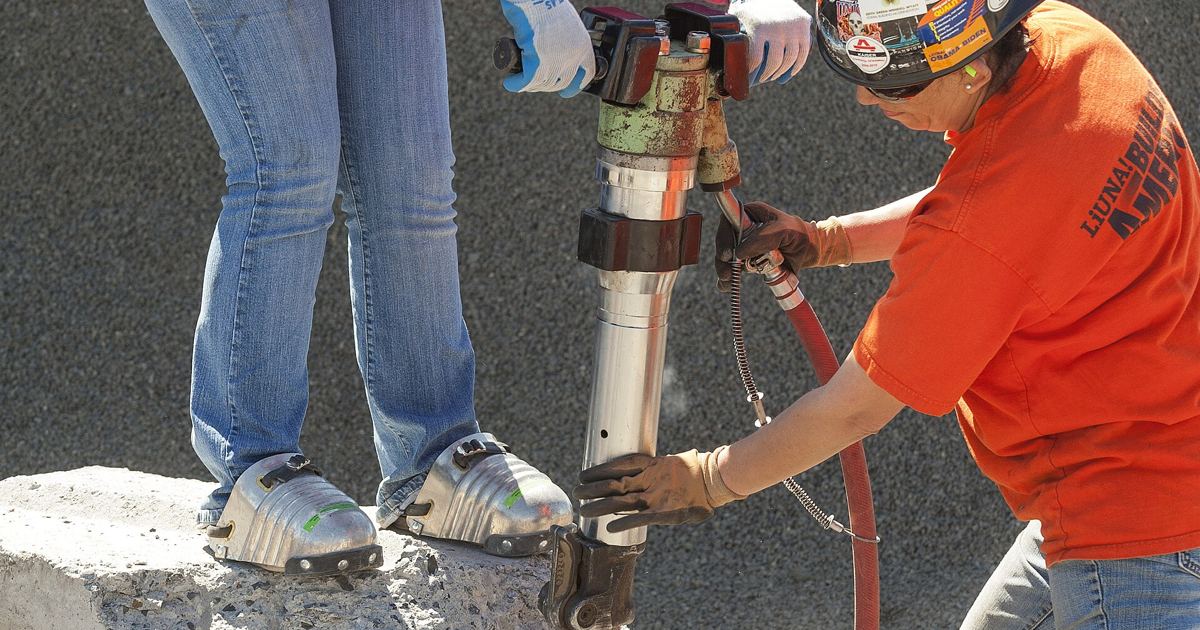
Pricing interior demolition, metal framing, drywall hanging, or ceiling installations requires estimators to evaluate site conditions beyond material takeoffs. Operating equipment like a jackhammer creates severe acoustic hazards that impact labor pacing and overhead. Reviewing mandatory federal safety rules through an estimator-focused checklist helps contractors account for engineering adjustments, administrative scheduling, and hearing conservation compliance before bid submission.
Checklist Point: Identify Noise Levels and Early Warning Triggers
According to the Center for Disease Control, an estimated 22 million workers face potentially damaging sound levels on the job each year. Noise is measured in decibels, and sound exposure over 85 decibels can damage hearing. Decibels follow a logarithmic scale, meaning small changes in measured sound pressure create massive shifts in actual acoustic intensity and hearing risk.
Estimators and project managers can identify potential sound problems on site using several baseline physical triggers outlined by the Occupational Safety and Health Administration:
- Having to raise your voice to speak with a coworker standing 3 feet away, which indicates ambient levels might exceed 85 decibels (dBA).
- Needing to shout directly to be heard by someone an arm's length away.
- Workers experiencing ringing or humming in their ears when leaving the shift.
- Workers noticing temporary hearing loss after completing work.
Field screening instruments include sound level meters, noise dosimeters, octave band analyzers, and smartphone tools like the NIOSH Sound Level Meter App.
Checklist Point: Verify Construction Thresholds Against the 90 dBA Action Level
OSHA maintains specific safety standards for construction trades. In the construction industry, OSHA requires employers to implement administrative or engineering controls, alongside a continuing, effective hearing conservation program, whenever worker exposures exceed 90 dBA as an 8-hour time-weighted average (TWA).
OSHA sets its permissible exposure limit at 90 dBA for an 8-hour work shift based on a 5 dBA exchange rate. Under this calculation, every 5 dBA increase in noise cuts allowable duration in half. For instance, OSHA permits 8 hours of exposure at 90 dBA, but allows only 2 hours of exposure when noise reaches 100 dBA sound levels. By contrast, NIOSH recommends keeping all 8-hour worker exposures below 85 dBA using a 3 dBA exchange rate, under which exposure to 100 dBA is limited to less than 15 minutes per day.
Checklist Point: Budget for Engineering and Administrative Controls
When bid packages indicate work in high-decibel areas, contractors must not rely solely on personal protective gear. Under federal standards, engineering or administrative controls—including elimination and substitution of noise sources—are mandatory steps when exposures exceed permissible levels. Estimators can carry these compliance line items within general conditions by reviewing estimating general conditions.
Practical control line items to evaluate during bid preparation include:
- Engineering controls, such as procuring quieter machines or physically isolating the noise source from surrounding trades.
- Administrative controls, such as rotating crews or scheduling loud activities across off-hours to limit individual exposure duration.
- Physical barriers and muffling equipment designed to damp sound pressure waves before they travel to crew stations.
Checklist Point: Price Mandatory Hearing Conservation Program Elements
Whenever jobsite conditions trigger OSHA construction requirements by exceeding 90 dBA as an 8-hour TWA, contractors must execute a formal hearing conservation program. Failing to include these administrative line items can erode bid margins. Estimators should incorporate these procedural requirements directly into their pre-bid review alongside their standard bid day checklist.
Under OSHA standards, an effective hearing conservation program requires four key elements:
- Exposure monitoring to document jobsite noise levels.
- Audiometric testing to verify worker hearing baselines and track changes.
- Hearing protection devices furnished to all affected personnel.
- Worker training to educate employees on sound risks, proper gear usage, and equipment maintenance.
Checklist Point: Factor Ear Anatomy and Proper Protector Fitting
Uncontrolled acoustic exposure causes permanent hearing loss by destroying microscopic hair cells inside the cochlea. The inner ear duct contains an inner row of roughly 3,500 hair cells and several rows of approximately 12,000 outer hair cells. Once damaged, these cells cannot be repaired through medical treatment or surgery. While middle ear muscles contract when exposed to sounds above 80 dB to decrease energy transfer, this reflex cannot react rapidly enough to block impulse sound or sustain tension against extended exposure.
Effective protection requires factoring individual fit. The human ear canal averages about 26 millimeters long and 7 millimeters in diameter, but dimensions vary significantly among individuals. Additionally, the ear canal naturally amplifies sounds in the 2,000 to 4,000 Hertz region by 10 to 15 dB, making this frequency span especially hazardous. Bidding adequate hearing protection requires pricing multiple protector models to ensure proper acoustic seals across diverse crew members.
Sources
Official guidance and regulatory thresholds referenced in this checklist are published by the Occupational Safety and Health Administration (Occupational Noise Exposure - Overview).
Published October 29, 2026. No affiliate links on this page. Facts come from the sources linked above; check them for updates.