Construction Machinery Parts PPI: Equipment Repair Budgeting Checklist
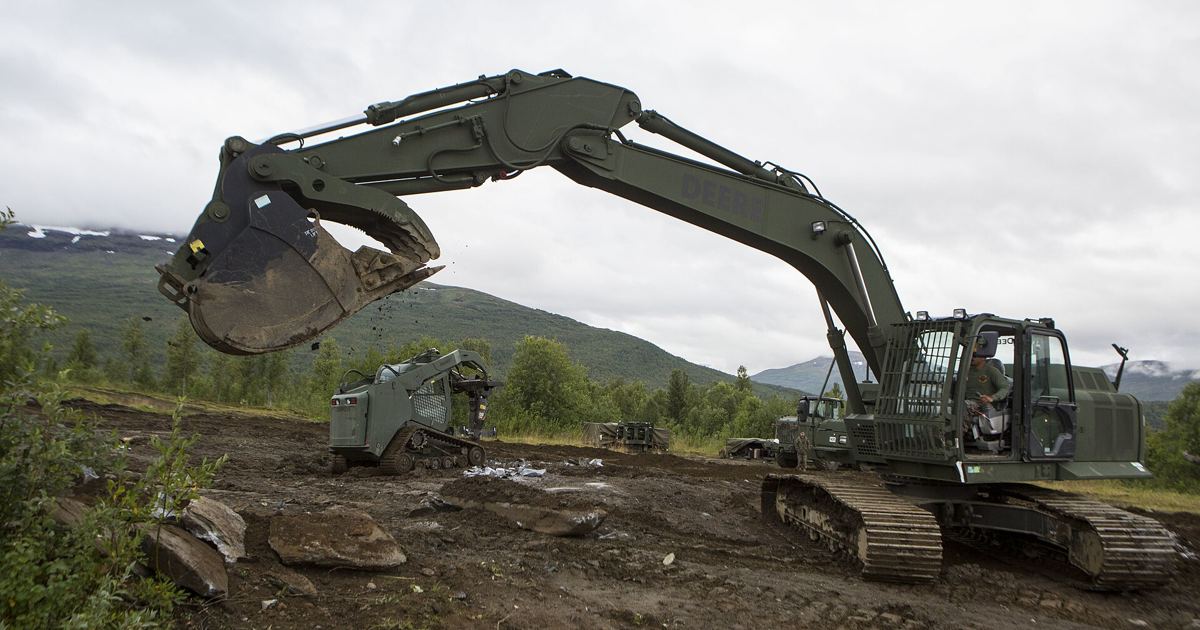
Maintaining a reliable fleet of earthmoving and handling equipment requires contractors to accurately project maintenance and overhaul expenses. Estimators pricing equipment allowances into internal rates or project general conditions must recognize how replacement hardware costs evolve over time. This checklist outlines the steps estimators and project managers should take using federal price tracking data to establish defendable equipment repair budgets.
Step 1: Audit Baseline Fleet Allowances Against Long-Term Trends
Many contractors set equipment recovery rates using internal accounting assumptions that remain unchanged for several seasons. If your internal equipment rates rely on figures from early 2020 or before, your repair line items may be severely underfunded. The U.S. Bureau of Labor Statistics PPI commodity data series WPU112K tracks parts for construction machinery and equipment sold separately, referenced to an index base period of December 1999 = 100.
Comparing baseline numbers reveals a substantial upward shift across the past several years:
- In January 2020, the index stood at 151.1 before climbing to 158.3 by September 2021.
- By September 2024, the index climbed to 210.7, representing a steady expansion in replacement component costs.
- By September 2025, the index increased to 297.6, showing an acceleration across intermediate supply chains.
- As of September 2026, the index reached 311.7, marking an increase of 106.3% compared to the January 2020 level of 151.1.
When calculating internal rental rates or allocating gear to general conditions estimating line items, review how your hourly maintenance reserve lines compare against these multi-year trends.
Step 2: Inspect Five-Year and Annual Escalation Benchmarks
Equipment upkeep costs compound significantly during multi-phase projects. When planning multi-year bid packages or establishing multi-year maintenance reserve funds, estimators should evaluate both the one-year and five-year movements in replacement hardware prices.
From September 2021, when the index sat at 158.3, to September 2026 at 311.7, replacement component prices increased by 96.9%. Over a two-year horizon from September 2024 (210.7) to September 2026 (311.7), the change reached 47.9%. Meanwhile, the annual increase between September 2025 (297.6) and September 2026 (311.7) registered a more moderate 4.8% advance.
Machinery Parts PPI Benchmark Data
Estimators can reference the verified data points below when defending rate calculations or structuring reimbursement models with project owners:
| Benchmark Period | Index Value | Change to Latest (Sep 2026) |
|---|---|---|
| Latest Month (September 2026) | 311.7 | +0.0% |
| One Year Earlier (September 2025) | 297.6 | +4.8% |
| Two Years Earlier (September 2024) | 210.7 | +47.9% |
| Five Years Earlier (September 2021) | 158.3 | +96.9% |
| Pre-Pandemic (January 2020) | 151.1 | +106.3% |
| Period High (September 2026) | 311.7 | +0.0% |
| Period Low (April 2017) | 141.0 | N/A |
Step 3: Monitor Recent Plateauing Trends in Short-Term Estimates
While the long-term trend reflects sharp cost expansion, short-term data shows that parts pricing has entered a flat period through late 2026. Tracking these monthly shifts helps estimators avoid over-projecting escalation on near-term repairs.
An examination of the monthly values across 2026 highlights this pattern:
- January 2026 began at 305.9 before edging upward to 308.0 in February 2026.
- The index held level at 308.0 through March 2026 and April 2026.
- Prices increased slightly to 309.4 in May 2026 and held at 309.4 through June 2026.
- In July 2026, the index reached 311.7, remaining unchanged at 311.7 in August 2026 and September 2026.
The month-over-month change from August 2026 to September 2026 remained flat at +0.0%. For work running across consecutive quarters, this price plateau provides budget stability, though the series remains at its highest point across the entire January 2017 to September 2026 window.
Step 4: Incorporate Revision Windows into Escalation Clauses
Estimators establishing equipment reserve budgets for long-duration commercial jobs should review how recent data points are updated. The Bureau of Labor Statistics series WPU112K reports figures that are not seasonally adjusted, and recent monthly releases remain preliminary and subject to revision for four months following publication.
If you include equipment index tracking within formal contract mechanisms, such as project-specific price escalation clauses, ensure your language defines whether billing reconciliation relies on the initial monthly release or waits for final revisions four months later. This procedural check avoids billing discrepancies when closing out heavy equipment repair allowances.
Sources
Data referenced in this guide originates from the following public release:
Published October 30, 2026. No affiliate links on this page. Facts come from the sources linked above; check them for updates.