Pricing Electrical Power-Line Installers: Estimator Comparison Guide
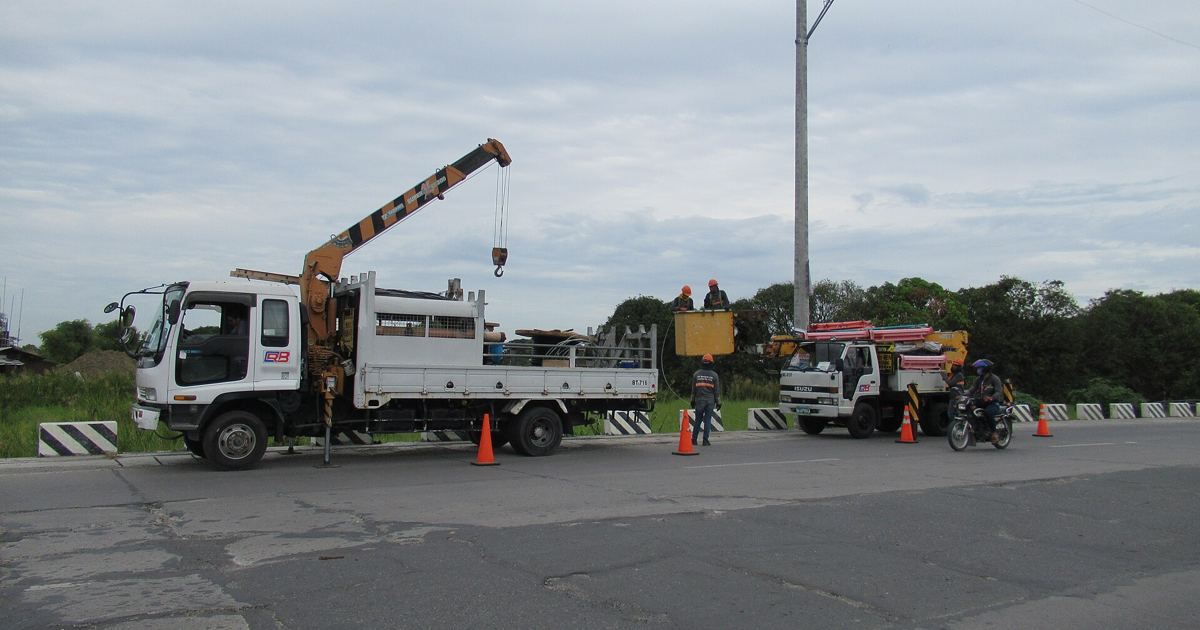
Estimators and general contractors frequently encounter utility trade scopes when coordinating sitework, site power tie-ins, and incoming service lines. When evaluating specialized trade packages, pricing requires understanding the underlying workforce benchmarks. Data published by the Bureau of Labor Statistics line installers and repairers profile provides concrete figures on wages, working conditions, and occupational growth that help bidders compare line installer proposals against standard project budgets.
Hourly Benchmarks vs. Annual Median Pay
When comparing subcontracts, estimators must examine base hourly rates against realistic annual earning figures. According to federal data from May 2025, the median pay for electrical power-line installers and repairers reached:
- Median Hourly Wage: $45.83 per hour
- Median Annual Wage: $95,320 per year
While an estimator might look at a $45.83 baseline, these tradespeople install or repair cables or wires used in electrical power or distribution systems. Most work full time, but some work more than 40 hours per week. When contractors submit quotes carrying premiums for shift work or schedule crunches, evaluating whether those charges align with standard 40-hour expectations versus overtime requirements is critical. Factoring these base numbers into your labor burden rate calculations ensures your markup accurately accounts for actual crew payroll overhead.
General Trades vs. High-Voltage Site Conditions
Pricing electrical utility scopes differs sharply from pricing typical interior scopes such as framing, ceilings, or basic building wire pulls. In standard building bids, crew productivity is calculated around conditioned spaces or controlled decking. By comparison, electrical power-line workers encounter serious hazards on the job, including working with high-voltage electricity, often at great heights. The work also can be physically demanding.
Because high-voltage electricity and elevated lines introduce severe fall and shock exposures, subcontractors in this field price significant safety infrastructure and equipment operational margins into their proposals. Estimators reviewing quotes must ensure that line contractors account for specialized site setup rather than attempting to cut corners against typical commercial rates. Bidders can contrast these utility numbers with standard commercial installations reviewed in our electrician labor pricing guide.
Entry Qualifications vs. Long-Term Training Demands
A subcontractor's crew mix—the ratio of apprentices to experienced journeyworkers—substantially alters the composite crew rate on a bid sheet. The entry path for this occupation shows an interesting contrast:
- Entry-Level Education: High school diploma or equivalent
- Prior Experience: None required in a related occupation
- On-the-Job Training: Long-term on-the-job training
Although new workers enter the trade with a high school diploma or equivalent and need no prior related experience, becoming proficient is not immediate. To become proficient, workers typically require technical instruction and on-the-job training, and apprenticeships are common. When vetting line subcontractor bids, estimators should verify whether proposed rates reflect fully proficient line installers or crews utilizing apprentices undergoing technical instruction.
Current Headcount vs. 10-Year Labor Outlook
Subcontractor availability dictates bidding leverage. If a trade faces tight labor supplies, bids inevitably reflect upward wage pressure and higher subcontractor margins. In 2025, the BLS recorded 131,900 jobs for electrical power-line installers and repairers.
Looking ahead across the 2025–35 decade, employment is projected to grow 10 percent, which is much faster than the average for all occupations. This growth accounts for an employment change of 13,600 jobs over the period. However, projected demand goes beyond expansion alone. Over the decade, about 10,900 openings are projected each year on average. Many of those openings are expected to result from the need to replace workers who transfer to different occupations or exit the labor force, such as to retire.
Comparison Checklist for Reviewing Line Work Subcontract Bids
When leveling quotes from specialty electrical power distribution contractors, estimators can cross-check numbers using these specific indicators:
- Compare bare wage assumptions against the national median wage benchmark of $45.83 per hour (May 2025).
- Review overtime provisions, noting that workers in this trade often work more than 40 hours per week.
- Assess crew allowances for high-voltage and high-elevation safety controls, reflecting the physically demanding hazards noted by federal reports.
- Confirm whether labor escalations reflect ongoing pressure from 10,900 annual workforce openings and a 10 percent decade-long growth rate.
Evaluating specialized electrical power packages against data from the BLS power-line installer occupational profile helps estimators separate genuine safety and skill requirements from unsupported contractor bid escalations.
Sources
Published October 28, 2026. No affiliate links on this page. Facts come from the sources linked above; check them for updates.