Pricing Elevator and Escalator Installer Labor: Estimator Q&A Guide
Elevator and escalator installations represent one of the most specialized, technically demanding scopes on any multistory project. For general contractors leveling specialty bids and interior subcontractors coordinating framed shaft openings, having clear insight into federal wage and employment benchmarks is essential. Here is a breakdown of what government data shows about this trade and how estimators should interpret the numbers when budgeting.
What is the baseline median wage for elevator and escalator installers?
According to the Elevator and Escalator Installers and Repairers Occupational Outlook Handbook published by the U.S. Bureau of Labor Statistics, the median annual wage for elevator and escalator installers and repairers was $109,910 in May 2025. This benchmark equates to a median wage of $52.84 per hour.
Estimators must treat this figure strictly as base compensation rather than a turnkey crew billing rate. To determine true field costs, subcontractors and general contractors must account for statutory taxes, benefits, insurances, and overhead through an accurate labor burden calculation before setting trade allowances.
What systems and tasks define this trade's scope of work?
Federal job descriptions clarify the boundary lines of what these technicians handle. Installers and repairers focus on four core categories of equipment:
- Elevators
- Escalators
- Moving walkways
- Other lifts
Across these transit mechanisms, workers are responsible for complete assembly, routine maintenance, and diagnostic repair work. When building an estimate, verifying whether a proposal covers initial equipment placement, ongoing maintenance during turnover, or dedicated repair visits prevents scope overlap between the mechanical division and miscellaneous trade allowances.
What working conditions and scheduling demands affect labor productivity?
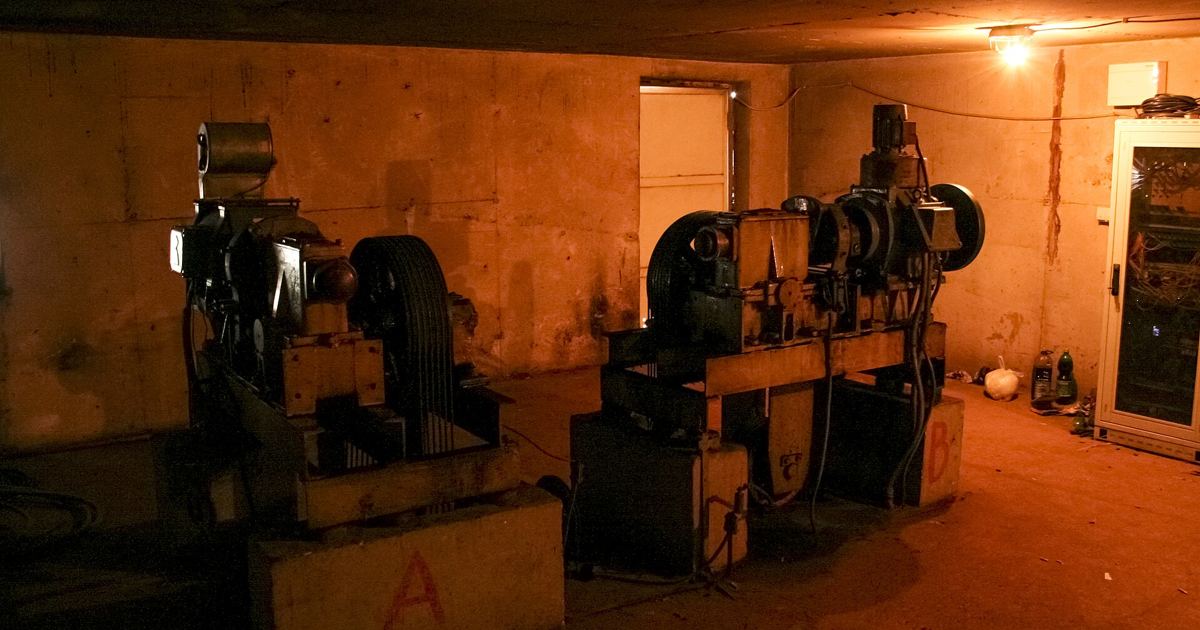
Jobsite pricing must reflect the physical realities of the workspace. Technicians in this field frequently operate within cramped areas, including machine rooms and crawl spaces, and they routinely work at heights inside elevator shafts. These tight spaces require specialized hoisting, rigging, and staging coordination that can reduce hourly output compared to open-floor construction activities.
Schedule demands also carry direct cost implications:
- Most elevator and escalator installers and repairers work full time.
- Service and repair personnel may remain on call 24 hours a day to handle emergency outages.
- Technicians may need to work overtime to troubleshoot equipment or meet critical construction turnover milestones.
Estimators should review shift rules and off-hours overtime rates when pricing commissioning, testing, and modernizations that occur outside standard hours.
How do training pipelines and licensing rules influence workforce supply?
The path to becoming a journey-level technician is structured and tight. The typical entry-level education required is a high school diploma or equivalent, and candidates typically enter with no previous work experience in a related occupation. However, nearly all workers learn the craft through an intensive apprenticeship.
In addition to apprenticeship training, most states require elevator and escalator installers and repairers to hold a state license. Because open-market labor cannot quickly step in to backfill licensed positions, specialty contractors face rigid wage floors that do not fluctuate easily when schedule crunches arise.
What do federal employment and outlook figures project through 2035?
National headcounts underscore the concentrated nature of this specialty. In 2025, total employment for elevator and escalator installers and repairers stood at 24,700 jobs. Federal projections from the BLS Occupational Outlook Handbook forecast that employment will grow 6 percent from 2025 to 2035, which is faster than the average for all occupations.
Key long-term workforce projections include:
- A net employment change of 1,400 new jobs over the 2025–35 decade.
- About 1,900 openings projected each year, on average, across the ten-year period.
- A steady flow of openings created primarily to replace workers who exit the labor force, such as retirees, or who transfer into other occupations.
With an annual national turnover and expansion pool of roughly 1,900 positions across the entire country, availability remains tight, emphasizing why general contractors must lock in conveyance schedules well ahead of delivery milestones.
How can estimators protect their bids during trade buyout?
Because conveyance systems touch structural framing, electrical feeds, and interior finishes, bidding gaps frequently appear at trade handoffs. Framers and drywallers must accurately detail shaft enclosures and machine room partition walls, while general contractors must systematically level subcontractor bids to confirm which trade carries final hoistway protection, temporary car operation, and off-hours service calls during testing.
Sources
Published October 28, 2026. No affiliate links on this page. Facts come from the sources linked above; check them for updates.