Pricing Hazmat Removal: BLS Wage and Job Outlook Realities for Bids
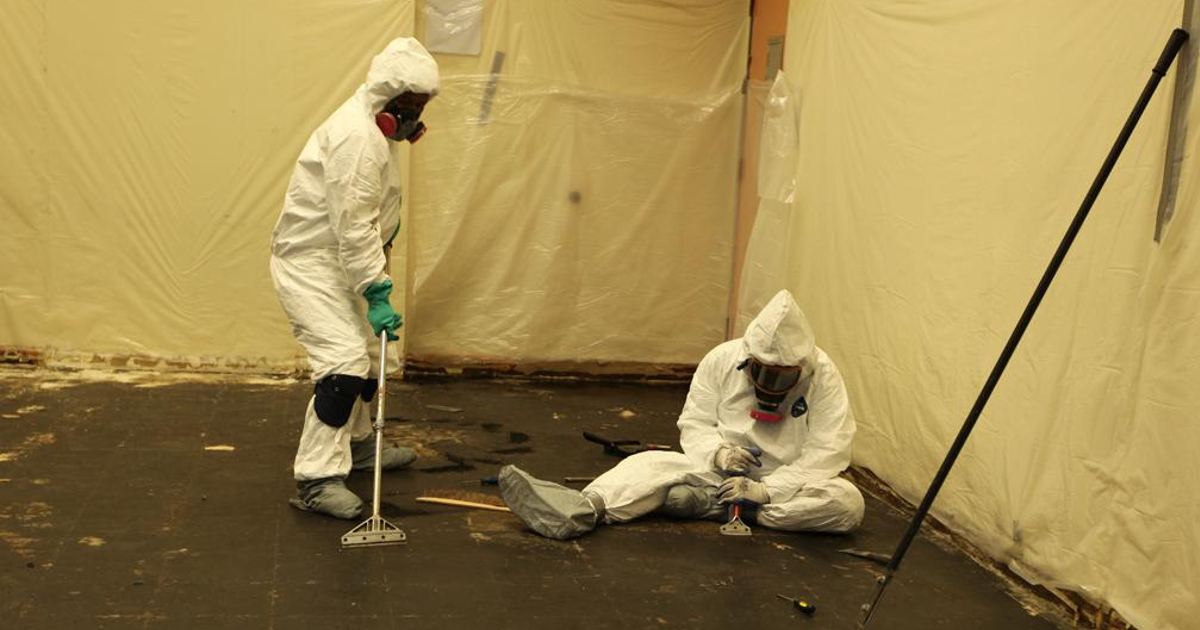
During interior demolition, framing modifications, or ceiling tear-outs, commercial contractors frequently encounter hazardous substances that stall field operations. For estimators and trade subcontractors, accounting for abatement work requires accurate labor assumptions. Pricing errors happen quickly when teams assume abatement crews operate under standard trade wage schedules or typical labor availability. Reviewing federal employment benchmarks helps estimators align bid numbers with actual trade conditions.
Myth: Hazmat Remediation Rates Match General Unskilled Labor Baselines
A widespread assumption on bid day is that abatement crews can be budgeted near base field laborer rates. Federal wage statistics show a markedly different reality. In May 2025, the median pay for hazardous materials removal workers was $23.78 per hour, which equals $49,450 per year, according to the U.S. Bureau of Labor Statistics Occupational Outlook Handbook. That figure represents base median compensation across all experience levels before accounting for statutory burdens, protective gear, or corporate overhead.
When estimators plug raw hourly wages into estimating worksheets, they must remember that baseline pay forms just one piece of total field expense. To establish sustainable billing rates, contractors must apply a complete labor burden calculation covering mandatory employer contributions, workers' compensation insurance, and specialized coverage required for contaminated work zones.
Myth: Any Field Laborer Can Perform Removal Without Dedicated Credentials
Another bidding pitfall is assuming general drywallers, demo crews, or site helpers can remediate contaminants during regular framing or ceiling activities. The work involves distinct scopes and strict regulatory prerequisites. Hazardous materials removal workers identify harmful substances, including lead, radioactive waste, and asbestos, and oversee their safe disposal.
While the typical entry-level education is a high school diploma or equivalent with no prior occupation-related work experience, these tradespeople complete moderate-term on-the-job training. In practice, training frequently aligns with Occupational Safety and Health Administration (OSHA) standards. Depending on the specific type of waste remediation on the project, workers must hold federally or state-mandated training, licensing, or official permits. Estimators cannot simply reassign uncertified carpentry or demo labor to address environmental contaminants without risking regulatory violations.
Myth: The Hazmat Removal Trade Is Undergoing Massive Headcount Expansion
Estimators sometimes expect high regional availability of remediation subcontractors, assuming that environmental cleanup demand is driving rapid employment growth. However, federal data shows that the specialty workforce remains relatively small. In 2025, total national employment stood at 52,700 jobs.
Furthermore, the BLS projects an employment growth rate of 2 percent between 2025 and 2035, a pace categorized as slower than the average for all occupations. Over that entire ten-year period, projected employment change is only 800 jobs. Because total trade headcount is not expanding rapidly, subcontractors cannot assume a surplus of certified remediation labor will materialize to suppress subcontractor pricing.
Myth: Slower Long-Term Growth Eliminates Staffing and Turnover Pressure
A projected growth rate of 2 percent over a decade might lead bidders to believe that existing contractor teams experience minimal turnover. In reality, steady replacement demand creates ongoing recruiting pressure for remediation employers.
Despite limited overall employment expansion, the BLS projects about 4,300 openings each year on average over the 2025 to 2035 decade. Most of those annual openings do not stem from industry growth, but from the ongoing need to replace workers who transfer to different occupations or exit the labor force, such as to retire. For estimators, high replacement turnover means certified talent commands steady compensation. Subcontractors bidding interior trade packages should clearly outline contaminated material boundaries in their bid exclusions and clarifications to avoid absorbing uncontrolled abatement costs.
Myth: Remediation Work Conforms to Standard Daytime Shift Hours
Estimators occasionally price abatement projects using standard eight-hour daytime rates, ignoring the logistical realities of occupied structures and facility shut-downs. Official data highlights the irregular nature of site schedules in this trade:
- Work environments vary considerably depending on the structure and material types involved.
- Completing remediation projects may require night and weekend work to avoid public or tenant exposure.
- Overtime is common for some workers, particularly those responding to emergencies or natural disasters.
- Remediation operations require compliance with federally or state-mandated licensing and safety protocols.
When estimators evaluate project timelines, any requirement for weekend shifts, emergency response, or off-hour containment must reflect higher labor rates rather than standard hourly baselines.
Sources
Data and trade details are sourced directly from the U.S. Bureau of Labor Statistics Occupational Outlook Handbook: Hazardous Materials Removal Workers profile.
Published October 28, 2026. No affiliate links on this page. Facts come from the sources linked above; check them for updates.