Pricing Insulation Workers Labor: What BLS Wage and Job-Outlook Data Tell Estimators and Subcontractors
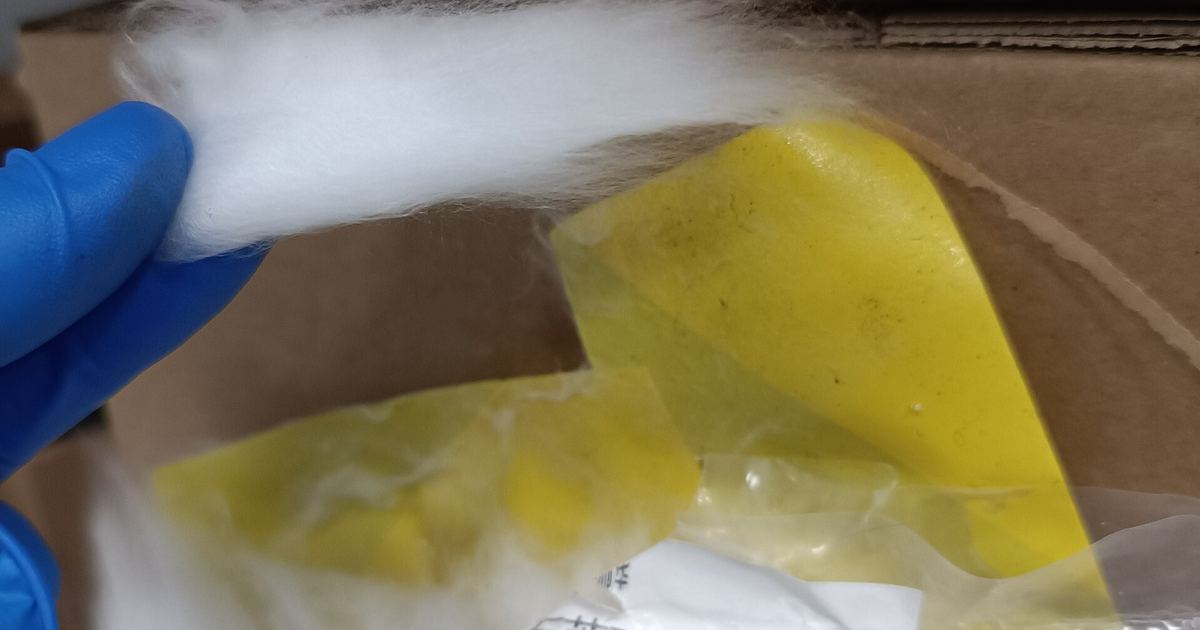
Accurate insulation labor pricing requires estimators and trade contractors to balance current baseline wages against real working conditions and long-term workforce supply. Insulation workers install and replace the materials used to insulate buildings or mechanical systems. Because field performance directly drives labor hours on interior and mechanical scopes, understanding national benchmarks published by the U.S. Bureau of Labor Statistics Occupational Outlook Handbook for Insulation Workers provides an objective starting point when building project estimates and leveling subcontractor bids.
Baseline Wage Benchmarks for Estimators
Federal wage data establishes a documented baseline for craft labor across the trade. In the national overview for insulation workers, the 2025 median pay was $51,330 per year, which converts to $24.68 per hour. For estimators compiling preliminary budget allowances or checking labor components against field payroll, these median figures reflect overall trade earnings across all insulation specializations.
When incorporating baseline wages into a project estimate, bare hourly rates must always be converted into fully burdened costs. Contractors building bids must add taxes, insurance, and benefits on top of raw wages by reviewing their Labor Burden: How to Calculate Your True Hourly Labor Cost before establishing billing rates or unit prices.
Wage Variances by Trade Specialization
Pricing insulation labor accurately requires separating workers who insulate building envelopes from those who handle mechanical piping and ductwork. Data reported in May 2025 highlights a clear wage distinction between these trade branches:
- Floor, ceiling, and wall insulation workers: The median annual wage for insulation workers, floor, ceiling, and wall was $49,120 in May 2025. These tradespeople typically learn their trade on the job and enter the occupation with no prior work experience in a related occupation.
- Mechanical insulation workers: The median annual wage for insulation workers, mechanical was $58,340 in May 2025. Mechanical insulators often complete an apprenticeship program after earning a high school diploma or equivalent.
Estimators pricing framing and drywall packages with batt or blown insulation should reflect the lower median wage structure of wall and ceiling installers, while mechanical subcontract bids require the higher pay scales aligned with pipe and duct specialists.
Evaluating Work Environments and Productivity
Labor pricing cannot rely solely on base wage rates; estimators must account for the physical conditions where installation occurs. According to federal trade descriptions, insulators generally work indoors. In contrast, mechanical insulators work both indoors and outdoors, sometimes in extreme temperatures.
Both groups spend most of their workday standing, bending, or kneeling, often in confined spaces. Confined spaces and awkward postures reduce hourly production rates compared to unobstructed open framing. When pricing scopes that require continuous kneeling or overhead reach, estimators should adjust crew production assumptions to reflect the physical fatigue described in the BLS job summary, and clarify working conditions using Bid Exclusions and Clarifications: How to Write a Proposal That Protects You.
Ten-Year Industry Outlook and Labor Availability
Subcontractors planning multi-year projects must evaluate labor availability to forecast future escalation and recruitment costs. In 2025, the number of jobs for insulation workers stood at 71,900. Looking ahead, the projected job outlook from 2025 to 2035 shows employment growth of 3 percent, which is about as fast as the average for all occupations. Over that 2025–35 decade, the projected employment change is 2,500 jobs.
Despite steady overall growth, the industry faces regular recruitment demands. About 4,800 openings for insulation workers are projected each year, on average, over the decade. The Bureau of Labor Statistics report on insulation workers notes that many of those openings are expected to result from the need to replace workers who transfer to different occupations or exit the labor force, such as to retire. Subcontractors relying on experienced insulators must plan for ongoing replacement demand when budgeting long-term labor agreements.
Key Estimating Takeaways for Bids
Applying government wage benchmarks to competitive bid day workflows requires systematic verification:
- Match the wage tier to the exact scope, using the $49,120 May 2025 median for floor, ceiling, and wall work and the $58,340 May 2025 median for mechanical assemblies.
- Account for learning curves, remembering that building envelope insulators typically train on the job while mechanical insulators may undergo formal apprenticeships.
- Factor in physical friction and fatigue when crews must work outdoors, in extreme temperatures, or inside confined spaces.
- Monitor regional labor pools, as 4,800 annual openings nationwide mean local market supply can tighten rapidly as senior tradespeople retire.
Sources
Wage benchmarks, job duties, educational backgrounds, and employment projections cited throughout this explainer are drawn directly from the Occupational Outlook Handbook: Insulation Workers published by the U.S. Bureau of Labor Statistics.
Published October 28, 2026. No affiliate links on this page. Facts come from the sources linked above; check them for updates.