Section 889 Video Surveillance Rules: 5 Mistakes Bidders Make
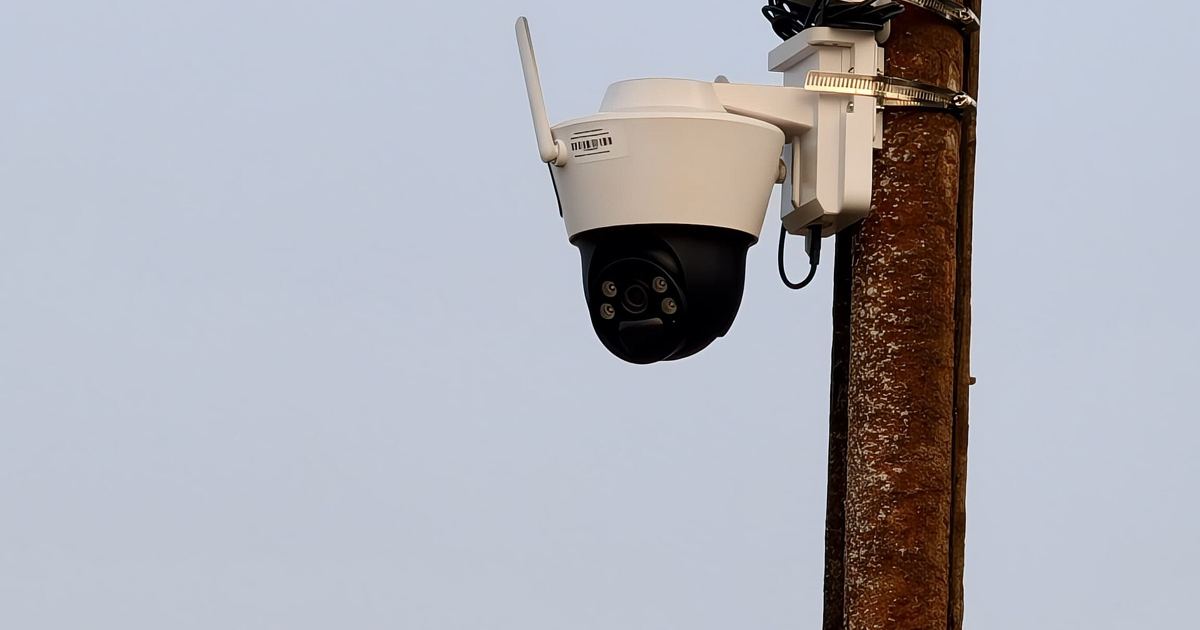
Federal procurement rules reach far beyond basic construction specifications. Under FAR 4.2102, which implements statutory prohibitions commonly known as Section 889, contractors face strict limitations on procuring, supplying, or even internally using certain telecommunications and video surveillance systems. For trade subcontractors and general contractors installing security cameras, site monitoring devices, or temporary jobsite security networks, running afoul of these rules can jeopardize contract eligibility and trigger severe administrative complications. Here is an analysis of common compliance mistakes estimators and project teams make when dealing with these federal prohibitions.
Mistake 1: Assuming the Prohibition Only Covers Permanent Building Systems
A frequent misconception among estimators is that the prohibition applies solely to permanent equipment turned over to the government upon completion. Under FAR 4.2102(a)(1), agencies are barred from procuring or obtaining any equipment, system, or service that uses covered telecommunications equipment or services as a substantial or essential component of any system, or as critical technology as part of any system, effective on or after August 13, 2019.
Furthermore, under FAR 4.2102(a)(2), effective on or after August 13, 2020, agencies cannot enter into, extend, or renew a contract with an entity that uses any equipment, system, or service containing covered equipment as an essential component or critical technology. That restriction applies regardless of whether that use is in performance of work under a federal contract. Carrying unapproved cameras on your temporary site trailers, storage compounds, or corporate premises can directly create noncompliance under federal contracting mandates.
Mistake 2: Overlooking the "Entity-Wide Use" Barrier
Trade contractors often bid on federal interior, framing, or renovation work assuming their internal tools and off-site setups do not impact public jobs. Yet FAR 4.2102(c)(2) directs contracting officers to refrain from entering into a contract, or extending or renewing a contract (such as exercising an option), with an entity that uses any equipment or system relying on covered gear.
Because the restriction covers the company as an entity, maintaining prohibited security cameras at your main fabrication yard, warehouse, or central office can create compliance issues during award evaluation. Federal buyers check records to confirm contractor responsibility before award, making entity-wide awareness vital. Understanding federal verification routines matches the care required when reviewing general procurement requirements, such as SAM Registration for Federal Bidders.
Mistake 3: Misinterpreting Statutory Exceptions
Estimators sometimes assume any third-party connectivity or routing function provides a blanket exemption. The regulations provide very specific boundaries. Under FAR 4.2102(b), the subpart does not prohibit agencies from procuring or contractors from providing:
- A service that connects to the facilities of a third-party, such as backhaul, roaming, or interconnection arrangements.
- Telecommunications equipment that cannot route or redirect user data traffic or permit visibility into any user data or packets that such equipment transmits or otherwise handles.
Video surveillance cameras connected to internet feeds, internal servers, or network digital video recorders often process, transmit, and redirect packets. Assuming a jobsite camera meets the exception without verifying its technical data routing functions is a risky estimating mistake.
Mistake 4: Skipping the SAM Database Verification Check
Another error is guessing whether a specific equipment manufacturer or supplier falls under covered restrictions. Under FAR 4.2102(d), prohibitions on purchases of products or services produced or provided by entities identified in the regulations (including known subsidiaries or affiliates) are recorded in the System for Award Management (SAM).
In addition, prohibitions concerning entities identified by the Department of Defense are recorded by DOD directly in SAM. Teams pricing electronic security, access controls, or jobsite cameras should check supplier lists against SAM rather than trusting informal product flyers or catalog descriptions. This diligence fits directly into a rigorous Bid Day Checklist before finalizing numbers.
Mistake 5: Failing to Track the Two Distinct Prohibition Timelines
Estimators and project managers frequently confuse the dual phases of Section 889 outlined in the Federal Acquisition Regulation. The rule divides the restrictions into two parts:
- FAR 4.2102(a)(1) (August 13, 2019): The direct procurement prohibition preventing agencies from buying, obtaining, or renewing contracts for covered equipment, systems, or services as critical technology or essential components.
- FAR 4.2102(a)(2) (August 13, 2020): The contractor-use prohibition, barring the government from contracting with any firm that uses covered equipment or services across its operations, even outside of federal contract performance.
Unless an explicit exception applies or a formal waiver described in FAR 4.2104 is granted, contracting officers cannot waive these rules on their own authority. Screening equipment for both direct deliverables and general company use prevents costly disqualifications on federal bid days.
Sources
Federal acquisition requirements and regulatory text referenced in this guide are drawn from:
Published November 9, 2026. No affiliate links on this page. Facts come from the sources linked above; check them for updates.