Steel Mill Products Price Trends for Estimators: PPI Data and Escalation Clauses
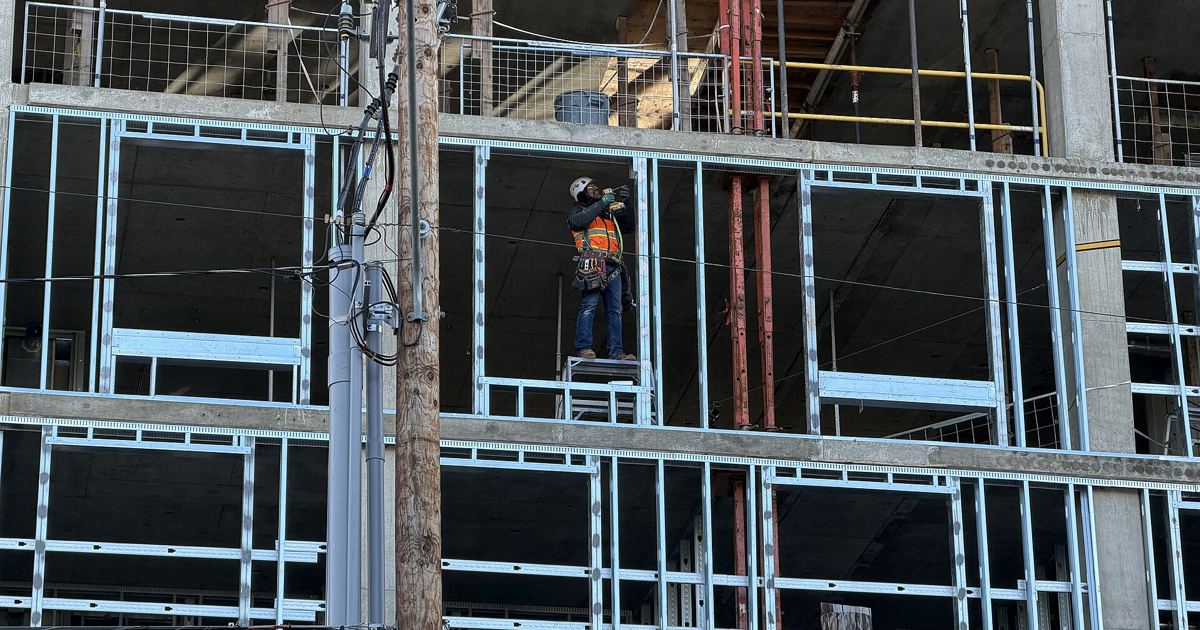
In late October 2026, commercial subcontractors pricing framing and interior packages face persistent upward pressure on material costs. Understanding how government commodity indexes track these shifts is essential for protecting profit margins when assembling bids and drafting contractual escalation clauses.
What do the latest BLS Producer Price Index numbers show for steel mill products?
According to the U.S. Bureau of Labor Statistics Producer Price Index for Steel Mill Products (WPU1017), the index rose to 388.6 in September 2026, up from 380.3 in August 2026. This move marks a month-over-month increase of +2.2%. The index has recorded steady monthly advances throughout 2026, climbing from 315.4 in January 2026 to 325.1 in February 2026, 331.4 in March 2026, 341.6 in April 2026, 350.0 in May 2026, 360.0 in June 2026, and 374.5 in July 2026.
Through the first nine months of the year, the annual average for 2026 stands at 351.9. This average reflects a substantial rise compared to the full-year 2025 annual average of 298.4 and the 2024 annual average of 291.4.
How do current steel prices compare to historical benchmarks?
Evaluating long-term market movements provides necessary context for multi-year project planning and budgeting. Over the 12 months ending in September 2026, the index climbed from 304.6 in September 2025, representing a 12-month change of +27.6%. Looking back two years, the index measured 271.0 in September 2024, resulting in a two-year increase of +43.4%.
Pre-pandemic price levels were significantly lower; in January 2020, the index was 187.3, which means the September 2026 index is +107.5% higher than that pre-pandemic marker. Across the broader observation window from January 2016 through September 2026, prices hit a low of 157.2 in March 2016 and an all-time peak of 449.7 in December 2021. The September 2026 figure sits -13.6% below that historical high point.
| Time Period | Index Value | Change to September 2026 |
|---|---|---|
| September 2026 (Latest) | 388.6 | 0.0% |
| September 2025 (One Year Earlier) | 304.6 | +27.6% |
| September 2021 (Five Years Earlier) | 418.5 | -7.1% |
| January 2020 (Pre-Pandemic) | 187.3 | +107.5% |
| December 2021 (Window High) | 449.7 | -13.6% |
Why should drywall and framing contractors monitor series WPU1017?
Light-gauge framing, structural studs, and drywall track represent major direct costs on commercial projects. When performing a detailed metal stud framing takeoff, holding fixed material prices across lengthy submittal and procurement phases creates severe exposure. BLS series WPU1017 (Metals and metal products-Steel mill products, not seasonally adjusted, base period 1982 = 100) provides an authoritative, neutral benchmark to verify broader market trends. Contractors should bear in mind that monthly data points in this series are not seasonally adjusted, and reported figures remain preliminary and subject to revision for four months following initial publication.
How can estimators structure steel price escalation clauses in bids?
To prevent bid erosion, trade contractors can insert index-linked escalation language into their proposals. As detailed in our overview of bid exclusions and clarifications, clear contract terms reduce disputes by specifying how price adjustments take effect when raw material costs climb. A well-constructed PPI escalation clause should include the following core components:
- Specific series identification: Explicitly name BLS series WPU1017 (Metals and metal products-Steel mill products) and cite the exact base month index value used to calculate the bid.
- Threshold trigger: Define an agreed-upon percentage movement that must occur before any adjustment is billed.
- Revision handling: Acknowledge that published monthly values are preliminary and subject to revision for four months, establishing whether adjustments settle using initial or finalized reports.
- Scope of adjustment: Define clearly whether index adjustments apply exclusively to raw mill material purchases or invoice amounts.
What price patterns should estimators track moving forward?
Examining monthly data points over the past year shows how rapidly trends can change. The index softened late last year, falling from 304.6 in September 2025 to 300.7 in October 2025 and 291.6 in November 2025, before rebounding to 312.4 in December 2025. Monitoring published updates from the U.S. Bureau of Labor Statistics commodity series allows estimators to base project estimates and contract talks on verified government statistics.
Sources
Published October 28, 2026. No affiliate links on this page. Facts come from the sources linked above; check them for updates.