Steel Removal and Mechanical Demolition: Quick Reference for Estimators
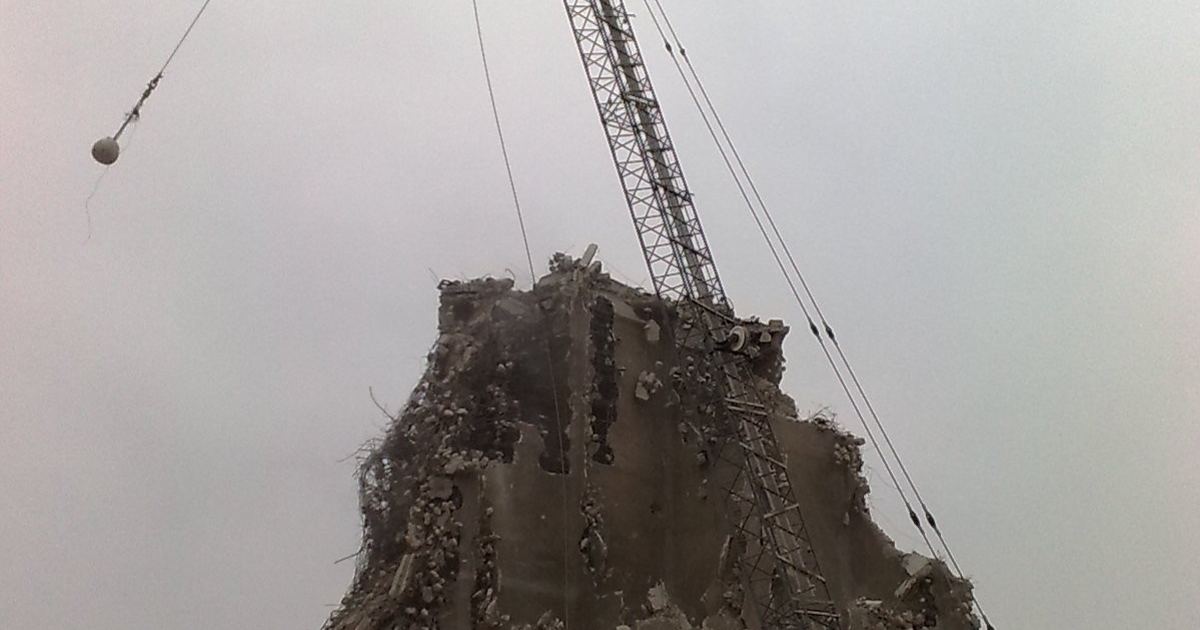
Demolition estimators cannot price structural teardowns as simple bulk destruction. Federal safety requirements establish strict equipment rigging limits, crew clearance boundaries, and stage-by-stage disassembly rules. Understanding these parameters helps estimators sequence cranes, allocate shoring labor, and prevent costly schedule creep on complex teardowns.
Dismantling Steel Framing Tier by Tier
When razing structural steel, contractors cannot simply pull down framing in arbitrary sections. Under federal safety standards, structural steel dismantling requires a controlled, reverse-erection sequence. Specifically, eCFR § 1926.858 requires that steel construction be dismantled column length by column length, and tier by tier. The standard clarifies that columns may be taken down in two-story lengths, but field teams cannot drop taller multi-tier assemblies all at once.
In addition, estimators must recognize that any structural member being dismembered cannot be overstressed during the removal process. Crews cannot use pulling or hoisting forces that exceed a member's load limits while severing connections. This requirement directly impacts daily production rates, requiring rigging crews to support each section securely while torch-cutting or unbolting structural joints.
Planking and Hoisting Mandates for Steel Razing
Working on open framing presents severe fall and structural hazards. Under eCFR § 1926.858, when floor arches have been removed, planking in accordance with § 1926.855(b) must be provided for the workers engaged in razing the steel framing. Estimators must include the material, handling, and relocation labor for temporary planking across every tier where ironworkers cut or rig members.
Hoisting operations during steel teardowns carry further operational controls. The rule specifies that employers must meet the requirements established in subparts N and CC when using cranes, derricks, and other hoisting equipment. Bids must factor in certified hoisting setups, qualified riggers, and lift planning that align with these equipment standards rather than treating hoisting as an incidental item under basic general conditions estimating.
Mechanical Demolition: Balling, Clamming, and Exclusion Zones
Mechanical demolition techniques like balling and clamming introduce dynamic shock loads and flying debris. To safeguard personnel, eCFR § 1926.859 mandates strict work-zone restrictions. No workers are permitted in any area that can be adversely affected by demolition operations when balling or clamming is being performed.
At any other time outside active balling or clamming, only those workers necessary for the performance of the operations are permitted in the affected zone. For an estimator, this restriction dictates site logistics and trade coordination. General contractors cannot schedule slab cutting, sorting, or cleanup crews within the strike zone while heavy mechanical demolition is underway, which forces serial scheduling rather than concurrent site tasks.
Demolition Ball Rigging and Crane Capacity Limits
Wrecking balls subject cranes to severe dynamic stresses. Safety regulations restrict both the size of the demolition ball and the crane configuration used to swing it. Under § 1926.859, the weight of the demolition ball cannot exceed 50 percent of the crane's rated load, calculated using the length of the boom and the maximum angle of operation at which the ball will be swung.
A second threshold applies to the hoist cable: the ball weight cannot exceed 25 percent of the nominal breaking strength of the suspension line. The crane setup must comply with whichever calculation results in a lesser weight. Furthermore, the standard requires that the crane boom and loadline remain as short as possible during operations. The ball must attach to the loadline using a swivel-type connection to prevent line twisting, and it must attach by positive means so the weight cannot accidentally disconnect.
Wall Pulling Rules and Continuous Structural Inspections
Mechanical operations often involve pulling down masonry or perimeter assemblies. Before crews pull over walls or portions of walls, all affected steel members must be cut free beforehand. Additionally, all roof cornices and ornamental stonework must be removed prior to pulling walls over to prevent uncontrolled falling material. Estimators must carry preparatory torch cutting and stone removal line items ahead of bulk wall pulling.
Throughout the teardown, § 1926.859 mandates continuing inspections by a competent person as work progresses. The inspector must actively detect hazards stemming from weakened or deteriorated floors, compromised walls, or loosened material. If these hazards appear, no employee can work in the area until the condition is corrected through shoring, bracing, or other effective means. These stabilization requirements tie directly into rules governing heavy demolition equipment on floors and must be accounted for in contingency and labor hours.
Quick Reference Checklist for Demo Bids
- Verify that demolition ball weights do not exceed 50 percent of crane rated capacity at maximum reach or 25 percent of line breaking strength.
- Include swivel-type positive connections and short-boom configurations in crane rental budgets.
- Price temporary planking under § 1926.855(b) whenever floor arches are removed above open steel framing.
- Sequence steel framing disassembly column length by column length, tier by tier, capping column sections at two-story lengths.
- Confirm that affected steel is cut free and ornamental stonework is stripped before pulling walls down.
- Allocate competent person inspection labor and budget shoring or bracing materials for deteriorated structural components.
Sources
eCFR § 1926.858: Removal of steel construction
eCFR § 1926.859: Mechanical demolition
Published October 29, 2026. No affiliate links on this page. Facts come from the sources linked above; check them for updates.