Wiring Devices Price Trends: Bid-Day Electrical Rough-In Checklist
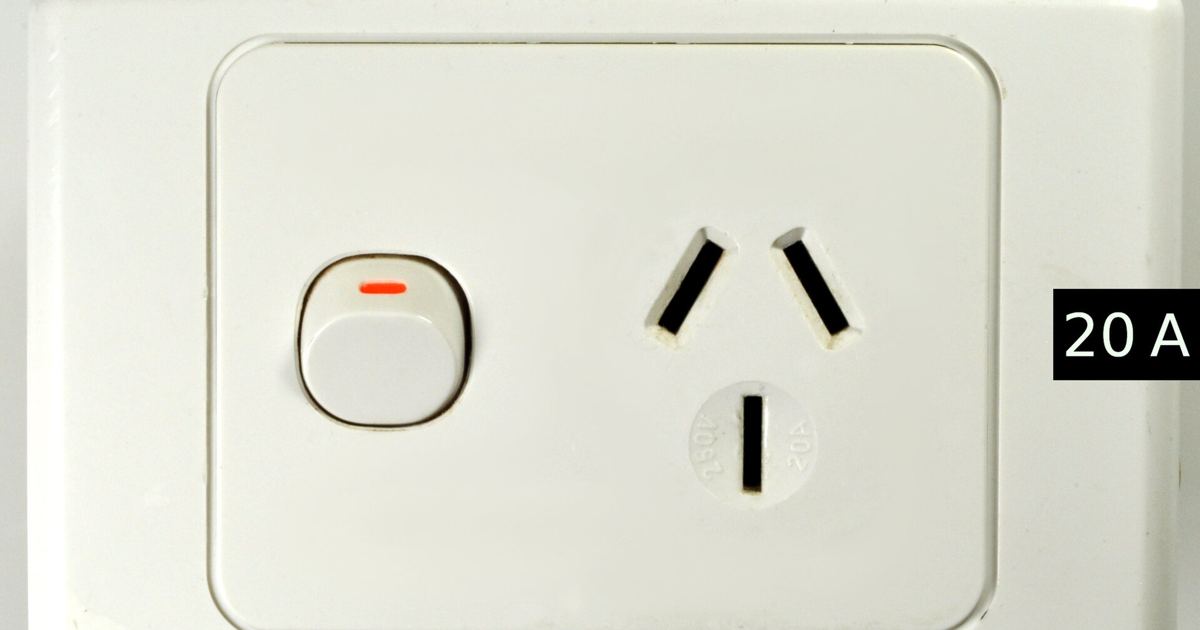
Interior estimators, specialty trade subcontractors, and commercial general contractors coordinating rough-in scopes must track device hardware costs before finalizing numbers. Sockets, switches, faceplates, and connection components add up across large multi-family units and commercial spaces. The following bid-day checklist draws directly on commodity metrics from the U.S. Bureau of Labor Statistics Wiring Devices PPI (WPU1171) to help teams evaluate rough-in device allowances.
Checklist Item 1: Confirm Device Price Baselines at the Market Peak
Before closing out rough-in electrical scopes, estimators must determine whether their current device allowances align with recent benchmark records. Commodity figures from the BLS PPI commodity series WPU1171 indicate that pricing for wiring devices reached 400.4 in September 2026. Because 400.4 represents the highest monthly value recorded across the entire tracking window dating back to January 2017, current bids are setting prices against the ceiling of modern recorded history. The lowest point during that entire multi-year tracking span was 227.9 in February 2017.
| Timeframe | Index Value | Change to Latest (September 2026) |
|---|---|---|
| Latest Month (September 2026) | 400.4 | +0.0% |
| One Year Earlier (September 2025) | 382.3 | +4.7% |
| Two Years Earlier (September 2024) | 363.0 | +10.3% |
| Five Years Earlier (September 2021) | 299.3 | +33.8% |
| Pre-Pandemic Benchmark (January 2020) | 239.3 | +67.3% |
| Window High (September 2026) | 400.4 | +0.0% |
| Window Low (February 2017) | 227.9 | N/A |
Checklist Item 2: Track Consecutive Monthly Trajectories Across 2026
Checking rolling monthly adjustments helps estimators see whether trade quotes are moving higher or stabilizing. Month-over-month, the index shifted up by +0.3% between August 2026 and September 2026. A detailed look at the 13 months leading up to the bid deadline illustrates continuous pressure on device packages:
- September 2025: 382.3
- October 2025: 379.3
- November 2025: 379.5
- December 2025: 382.1
- January 2026: 382.7
- February 2026: 386.8
- March 2026: 386.7
- April 2026: 386.7
- May 2026: 387.6
- June 2026: 393.6
- July 2026: 399.0
- August 2026: 399.1
- September 2026: 400.4
When running a comparison during trade scope evaluations, estimators must remember that recent monthly values are preliminary and subject to revision for four months under official federal reporting rules.
Checklist Item 3: Validate Multi-Year Adjustments in Long-Term Bids
Estimators who reuse pricing units from previous seasons without verifying adjustments risk underpricing device assemblies. On an annual basis, series WPU1171 shows an index average of 228.6 in 2017, rising to 233.1 in 2018, 237.4 in 2019, and 242.3 in 2020. Upward momentum accelerated to an annual average of 281.7 in 2021, 340.9 in 2022, and 373.5 in 2023. While the annual average pulled back to 363.3 in 2024, it resumed its upward climb to 372.0 in 2025, and reached 391.4 across January through September 2026.
Comparing current conditions directly to past project baselines highlights the cumulative change: September 2026 is +4.7% higher than September 2025, +10.3% above September 2024, +33.8% above September 2021, and +67.3% higher than the pre-pandemic level of 239.3 recorded in January 2020. Project bids prepared without factoring in this multi-year climb will miscalculate modern rough-in device values.
Checklist Item 4: Scrutinize Subcontract Quotes During Bid Leveling
General contractors and trade estimators reviewing multiple proposals on bid day must inspect package inclusions. To execute thorough reviews, follow steps outlined in our guide to how to level subcontractor bids. Verify whether switch and receptacle allowances reflect latest manufacturer trade prices, whether supplier quotations maintain firm terms, and whether preliminary adjustments across the last four months could alter baseline assumptions.
Checklist Item 5: Protect Extended Purchase Schedules with Contract Terms
Because wiring devices are bought months after prime contract execution during rough-in and trim stages, contractors must prevent cost drift from consuming operating margins. Structuring enforceable adjustments using our guide to price escalation clauses provides an objective framework tied to published federal indices. Ensuring baseline figures tie directly to index 1982 = 100 prevents ambiguity if supplier catalogs shift during procurement.
Sources
U.S. Bureau of Labor Statistics, Series WPU1171: Wiring Devices
Published October 31, 2026. No affiliate links on this page. Facts come from the sources linked above; check them for updates.