Estimating Guides & Articles
550 articles, newest first.
 SBA Mentor-Protégé Joint Ventures: The 40% Work Share, 51% Ownership and Six-Year Limits Contractors Should Know
SBA's mentor-protégé program lets a small contractor team with an approved mentor and bid set-aside work as a joint venture. What 13 CFR 125.9 and…
Read article → OSHA Inspection Walkthrough: Credentials, Warrants, Walkaround Rights and the Closing Conference
What happens when an OSHA compliance officer shows up on your jobsite. 29 CFR 1903.4, 1903.7 and 1903.8 explain credentials, the scope of the inspe…
Read article → OSHA Penalty Amounts for Contractors: Serious, Willful and Repeat Maximums and the 15-Working-Day Contest Window
The current OSHA civil penalty maximums in 29 CFR 1903.15: up to $16,550 for a serious violation and $165,514 for willful or repeated violations. H…
Read article → Cold-Rolled Steel PPI Trends: What to Ask the GC Before Bidding
Evaluate BLS cold-rolled steel PPI trends for metal studs and ductwork. Key questions estimators must ask general contractors before locking in bid…
Read article → FAR 31.205-11 Depreciation: Owned-Equipment Rules on Federal Jobs
Review the FAR 31.205-11 depreciation checklist for owned equipment, residual rules, financial accounting caps, and capital leases on federal contr…
Read article → FAR 31.205-46 Travel Costs: Per Diem vs Actual Guide
Compare allowable per diem rates, actual expense rules, vehicle travel, and documentation requirements under FAR 31.205-46 for federal construction…
Read article → OSHA Spray Booth Rules: 29 CFR 1926.66 Setup Walkthrough
Walk through 29 CFR 1926.66 spray booth requirements for coating subcontractors, including ventilation, clearances, electrical safety, and exhaust…
Read article → Plastics Construction Products PPI Checklist: PVC & Siding Bids
Track BLS PPI data for plastics construction products. A bidding checklist covering PVC, siding, and index trends through September 2026.
Read article → Paving Mixtures Price Trends: BLS PPI Checklist for Bids
Track BLS PPI series WPU1394 paving mixtures and blocks price trends with an estimator checklist for bids and price escalation protection.
Read article → Concrete Pavers Price Trends: BLS PPI Data for Hardscape Bids
Review BLS PPI concrete paver trends through September 2026, track index movements, and build realistic hardscape estimates.
Read article → Transformers and Regulators PPI: Questions to Ask the GC
Transformers and power regulators PPI hit 434.5 in September 2026. Review BLS price trends and key questions trade estimators must ask the GC.
Read article → Misc. Equipment PPI Trends: Owned-Machinery Guide
Track BLS PPI data for miscellaneous construction machinery to update owned-equipment rates and protect contractor bids against machinery price shi…
Read article → Roofing Asphalts, Coatings, and Cements: Low-Slope Bid Breakdown
Track BLS PPI data for roofing asphalts, coatings, and cements to protect low-slope roofing estimates and structure material adjustment terms.
Read article → Cut Stone PPI Trends: Bidding Veneer and Countertop Work
Examine BLS PPI data for cut stone and stone products. Debunk common pricing myths to build accurate stone veneer and countertop construction bids.
Read article → Switchgear and Industrial Controls PPI: Bidding Guide
Track BLS PPI series WPU1175 for switchgear, switchboards, and industrial controls to protect electrical bids, estimate cost trends, and manage pri…
Read article → Wiring Devices PPI Trends: Bid-Day Electrical Rough-In Checklist
Track BLS PPI series WPU1171 for wiring devices. Review monthly index shifts, historical highs, and a bid-day checklist for electrical rough-in est…
Read article → Industrial Fans and Air Purification PPI Trends for HVAC Bids
Examine BLS PPI trends for industrial fans, blowers, and air purification equipment to structure accurate HVAC bids and handle price shifts.
Read article → Metal Valves Price Trends: BLS PPI Comparison Guide for Bidders
Compare BLS PPI trends for metal valves from 2020 through September 2026 to evaluate plumbing and process piping material budgets.
Read article →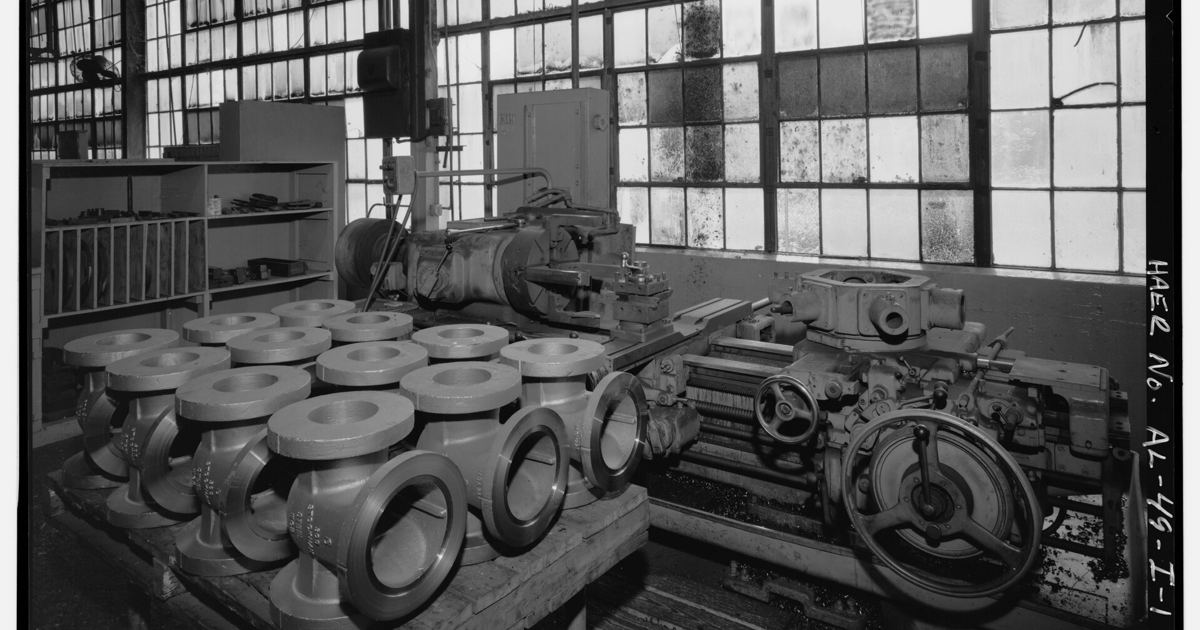 Metal Pipe Fittings and Flanges PPI: Bidding Reference Guide
Track BLS PPI trends for metal pipe fittings, flanges, and unions. Review current benchmark data, historical shifts, and bidding strategies for con…
Read article → Cast Iron Pipe Price Trends: Estimator PPI Guide
Compare cast iron pressure and soil pipe PPI trends from BLS data to structure accurate plumbing and site utility bids.
Read article → Steel Fastener PPI Trends: Framing and Roofing Bid Requirements
Track BLS PPI trends for steel nails, staples, and spikes to price framing and roofing bids, manage cost swings, and structure escalation clauses.
Read article →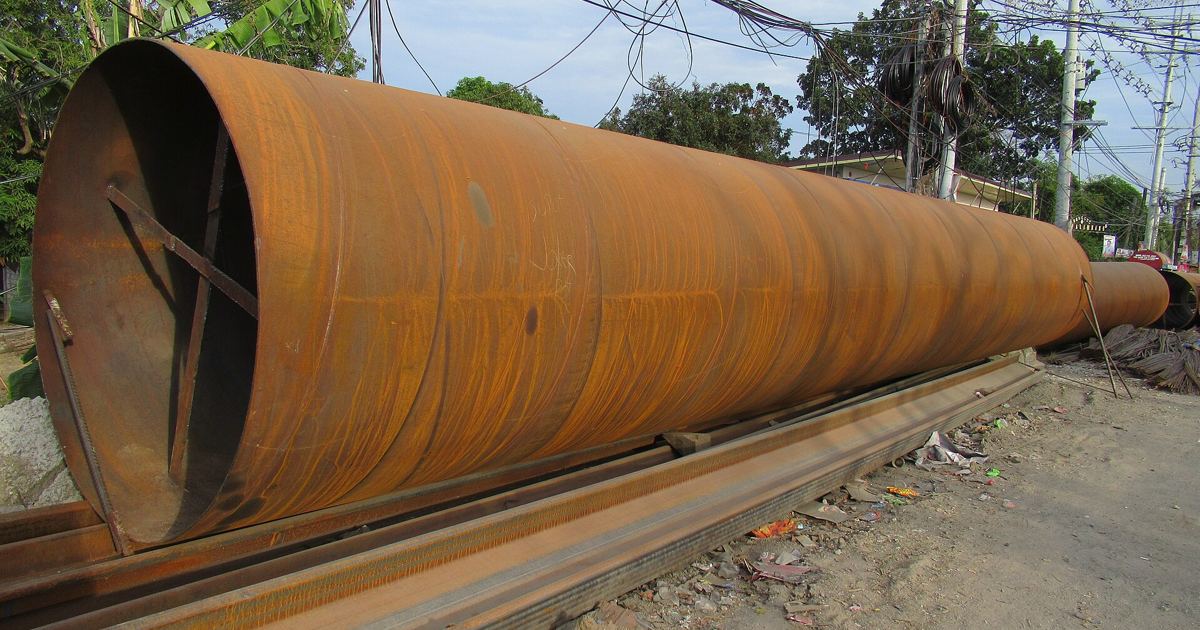 Fabricated Metal Pipe and Tube Trends: Estimator Bid Checklist
Review BLS PPI trends for fabricated metal pipe, tube, and fittings through September 2026 with a bidding checklist for commercial mechanical work.
Read article → Pumps and Compressors PPI: 4 Bidding Mistakes to Avoid
BLS PPI data for pumps and compressors shows record price levels in late 2026. Avoid costly mistakes in mechanical and dewatering bid budgets.
Read article →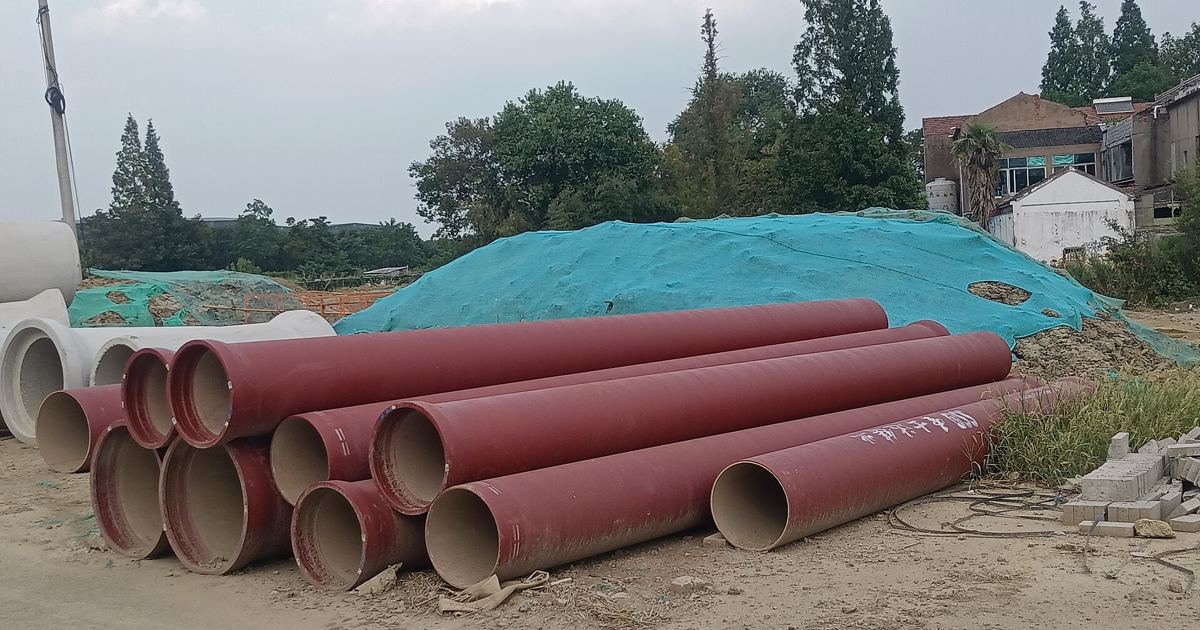 Steel Pipe and Tube Price Trends: Bid-Day Estimating Checklist
Track steel pipe and tube PPI trends to price handrails, piping, and structural tubes with accurate BLS data on bid day.
Read article → Domestic Water Heater Price Trends: BLS PPI Data for Plumbing Bids
Track domestic water heater PPI trends using BLS series WPU1066 to protect plumbing estimates, manage escalation risk, and build accurate bids.
Read article →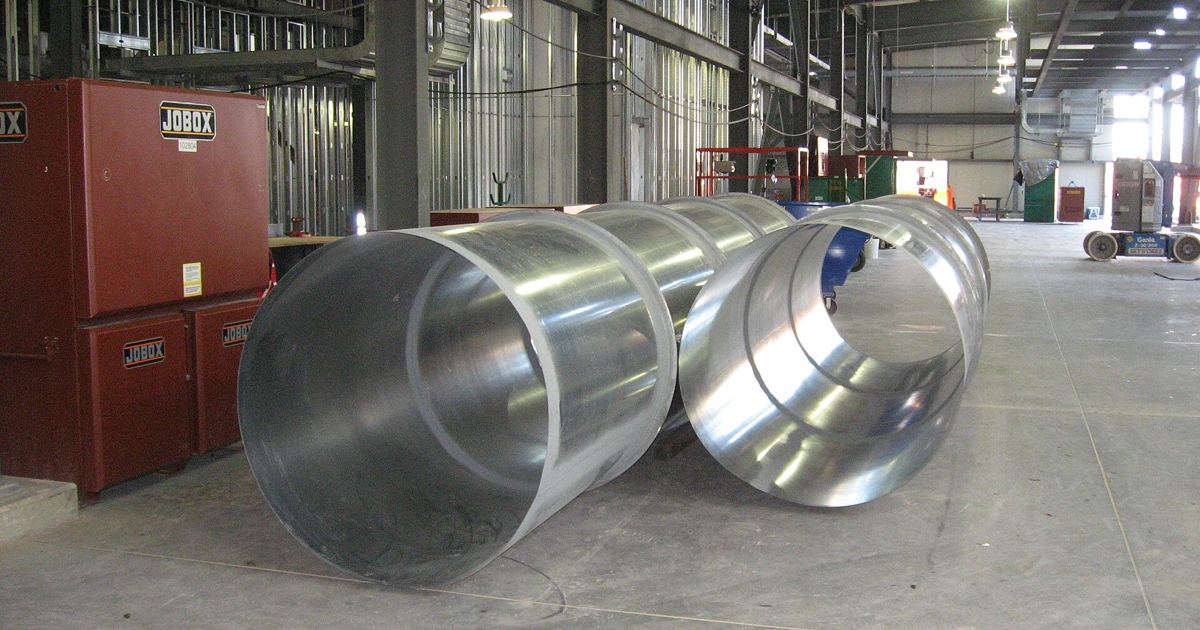 Sheet Metal Products Price Trends: Estimator PPI Q&A Guide
Review BLS PPI trends for sheet metal products through September 2026 to price HVAC ductwork, roof flashing, and long-term project escalation clauses.
Read article → Hot-Rolled Steel PPI Price Trends: Bid Guide for Estimators
Review BLS PPI trends for hot-rolled steel bars, plates, and structural shapes to benchmark bids, evaluate cost shifts, and structure escalation te…
Read article →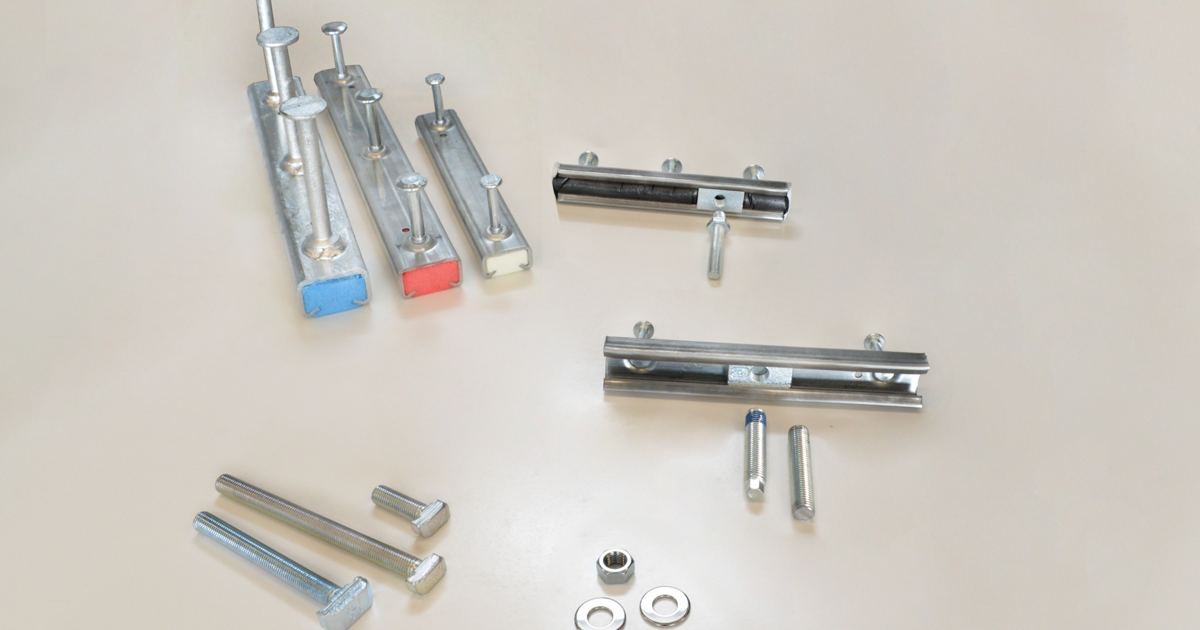 Fastener Price Trends: BLS PPI Data for Estimators
Examine BLS PPI data for bolts, nuts, screws, rivets, and washers. Learn price trends, myths vs. facts, and key figures for fastener bids.
Read article → Hardwood Flooring Price Trends: BLS PPI Data for Wood Flooring Bids
Track BLS PPI hardwood flooring price trends to protect commercial interior and wood flooring bids from material volatility.
Read article → Hardwood Lumber PPI: Bidding Myths vs. Facts for Estimators
Examine hardwood lumber BLS PPI data through September 2026 to dispel finish carpentry myths, verify millwork pricing, and protect subcontractor bids.
Read article → Wood Truss & Beam PPI Walkthrough: Framing Bids & Escalation
Walk through BLS PPI data for prefabricated structural wood members to track price trends, analyze shifts, and protect framing bids.
Read article → Hardwood Veneer and Plywood Bidding Mistakes: PPI Data
Avoid costly bidding mistakes on casework and paneling bids using BLS PPI data for hardwood veneer and plywood through September 2026.
Read article → Tractors and Dozers PPI: Equipment Rate Planning Walkthrough
Step-by-step walkthrough of BLS PPI data for tractors, dozers, and loaders to update internal equipment rates and construction bid proposals.
Read article → Treated Wood Price Trends: BLS PPI Data for Decks and Sill Plates
Treated wood PPI trends for estimators bidding decks, sill plates, and site work. BLS data, historical benchmarks, and bid pricing steps.
Read article → FAR 46.202-4 Higher-Level Quality Requirements: Contractor Guide
Learn when FAR 46.202-4 requires higher-level contract quality standards like ISO 9001, ASME NQA-1, and SAE AS9100 on federal solicitations.
Read article → FAR 46.407: How the Government Handles Defective Work
Learn how federal contracting officers handle nonconforming work, price reductions, withholdings, and rejection notices under FAR 46.407.
Read article →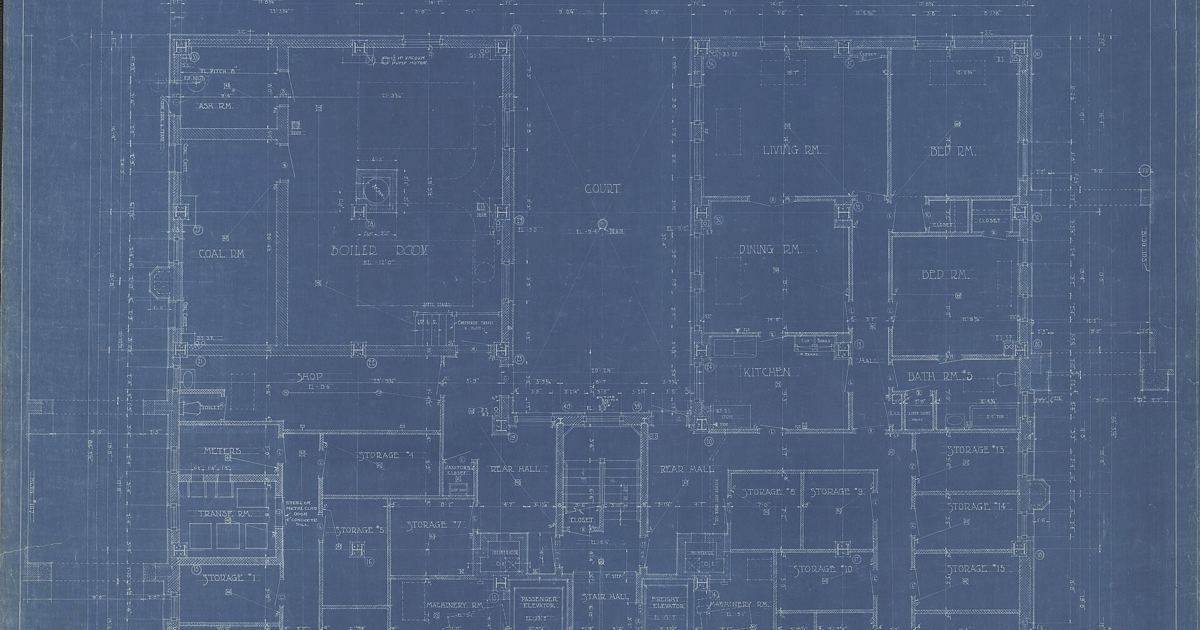 A-E Selection Under FAR 36.602-1: What to Ask the Prime GC
Understand how federal agencies select architect-engineer firms under FAR 36.602-1 and learn key questions subcontractors should ask the prime GC.
Read article → FAR 49.206-1 Settlement Proposals: Cost-Basis Bid Checklist
A contractor checklist for assembling cost-basis termination settlement proposals under FAR 49.206-1, covering forms, deadlines, and cost data.
Read article → FAR 33.214 Key Requirements: Alternative Dispute Resolution Breakdown
Understand FAR 33.214 rules for federal contract claims, ADR requirements, arbitration limits, written rejection mandates, and appeal timelines.
Read article →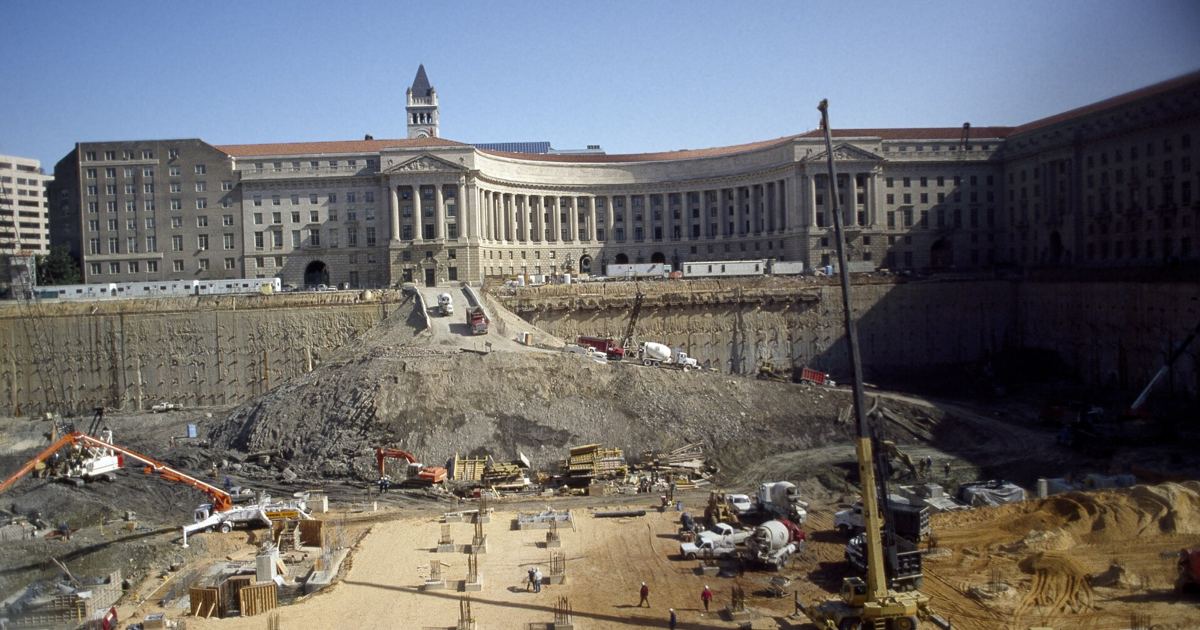 FAR 16.203-4 Explainer: Building Escalation into Federal Bids
Learn when and how economic price adjustment clauses under FAR 16.203-4 allow escalation for labor, materials, and established prices in federal co…
Read article → FAR 33.210 Claim Authority: Who Can Settle Federal Disputes
Understand contracting officer settlement authority under FAR 33.210. Discover who can legally decide federal construction claims and key statutory…
Read article → FAR 52.244-6 Mistakes: Commercial Subcontract Flow-Downs
Avoid costly federal bidding errors by understanding mandatory commercial flow-down clauses and prime contractor obligations under FAR 52.244-6.
Read article → Contractor Evaluations and Rebuttals Under FAR 42.1503
Learn how federal past performance ratings are evaluated, drafted, and rebutted under FAR 42.1503 using a step-by-step contractor walk-through.
Read article → CPARS Thresholds Under FAR 42.1502: Common Contractor Mistakes
Learn the official FAR 42.1502 CPARS thresholds for federal construction contracts and avoid common mistakes regarding evaluations and default term…
Read article → FAR 33.208 Guide: When Interest Starts on Federal Claims
Learn when interest begins running on federal contractor claims under FAR 33.208, including Treasury rates, receipt dates, and certification rules.
Read article → Prime Duties After Termination Notice (FAR 49.104): Sub Guide
Compare prime contractor duties under FAR 49.104 after a termination notice and learn what trade subcontractors should expect to hear from the GC.
Read article → FAR 17.207 Option Extensions: Questions Subs Must Ask the GC
What trade contractors must ask the GC when the government exercises an option under FAR 17.207 and FAR 52.217-9. Rules on pricing, notice, and terms.
Read article → SAM Registration for Federal Bidders: FAR 4.1102 and 52.204-7 Rules
Learn when federal bidders must be registered in SAM under FAR 4.1102 and 52.204-7, what active status requires, and key exceptions for contractors.
Read article → Federal Liquidated Damages: FAR 11.502 and 11.503 Bid-Day Checklist
Review FAR 11.502 and 11.503 on bid day. Learn when federal liquidated damages apply, how daily rates are built, and required contract clauses.
Read article → GAO Bid Protests Under FAR 33.104: Timelines and Award Stays Walkthrough
Walk through GAO bid protest procedures under FAR 33.104, covering required filing timelines, pre- and post-award stays, and agency report rules.
Read article → Bidding FAR 16.202-1 Firm-Fixed-Price Federal Contracts
Learn how FAR 16.202-1 defines firm-fixed-price contracts, allocates financial risk, and guides bidding strategies for federal construction projects.
Read article → Subcontractor Rights and Settlements Under FAR 49.108-1 and 49.108-3
Learn subcontractor rights, settlement proposal rules, unallowable profit, and TCO review criteria under FAR 49.108-1 and FAR 49.108-3.
Read article → Subcontracting with Debarred Firms: FAR 52.209-6 Guide
Compare prime contractor rules under FAR 52.209-6 for COTS purchases, sub disclosures, SAM exclusions, and notices before awarding federal subcontr…
Read article → FAR 32.904: Construction Payment and Retainage Due Dates
Learn federal construction payment due dates under FAR 32.904, covering the 14-day progress payment window, retainage release, and final billings.
Read article → FAR 32.905 Invoice Checklist: Starting the Payment Clock
Ensure your federal invoice starts the payment clock under FAR 32.905. Complete checklist of required invoice items, EFT rules, and return timeframes.
Read article → FAR 32.906 Payment Rules: Myths vs. Facts for Bidders
Learn the facts behind FAR 32.906 rules covering early invoice payments, partial deliveries, prompt payment discounts, and electronic funds transfe…
Read article → Consent to Subcontract: Review Standards Under FAR 44.202-2
Learn what contracting officers review before consenting to a subcontract under FAR 44.202-2, from price analysis to responsibility and exclusions.
Read article → FAR 52.244-2 Subcontract Consent: Step-by-Step Walkthrough
A step-by-step guide to prime contractor notification and contracting officer consent requirements under federal clause FAR 52.244-2.
Read article →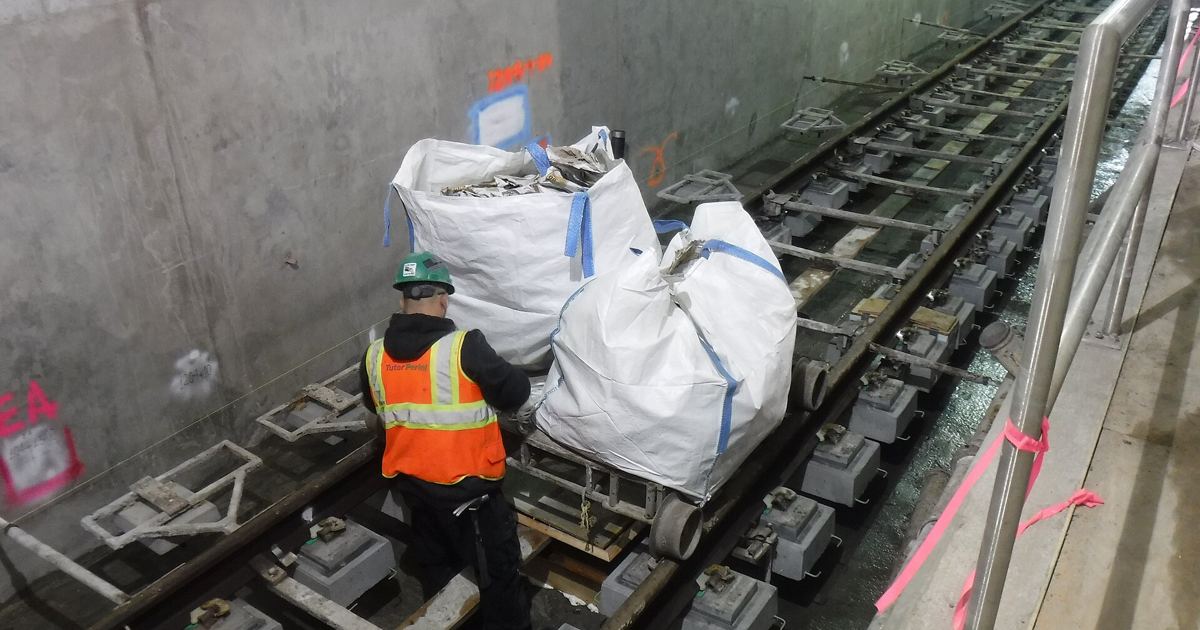 FAR 52.222-27 Checklist: Construction Affirmative Action
Review the FAR 52.222-27 affirmative action checklist for federal construction contractors, covering goals, subcontracts over $10,000, and complian…
Read article → FAR 22.406-9 Payment Withholding: How Labor Issues Freeze Cash
Learn how FAR 22.406-9 freezes federal payments for wage underpayments, cross-contract withholding, and Department of Labor enforcement.
Read article → FAR 22.406-7 Labor Compliance Checks: 5 Common Mistakes
Learn the common mistakes contractors make during FAR 22.406-7 compliance checks, from employee interviews to payroll reviews and daily logs.
Read article → FAR 22.406-5 Subcontract Flow-Down: The SF 1413 Step-by-Step Guide
Walk through federal labor standards flow-down under FAR 22.406-5 and FAR 52.222-11, including mandatory subcontract clauses and executing Standard…
Read article →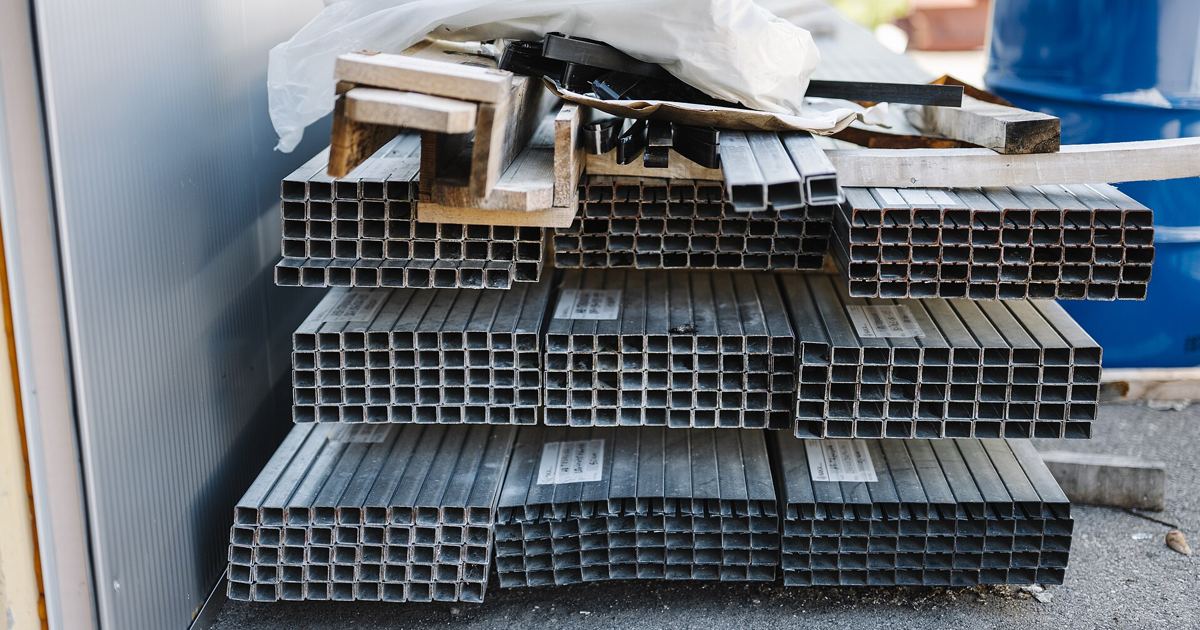 FAR 25.202 Checklist: Bidding Buy American Exceptions
Bid-day checklist for estimators reviewing Buy American exceptions under FAR 25.202, covering nonavailability, unreasonable cost, and trade agreeme…
Read article → FAR 52.222-10 Quick Reference: Copeland Act Anti-Kickback Rules
A contractor quick-reference guide to FAR 52.222-10, explaining Copeland Act anti-kickback compliance and 29 CFR Part 3 on federal construction pro…
Read article → FAR 52.222-15 Checklist: Prime and Subcontractor Eligibility
Review FAR 52.222-15 requirements with a bid-day checklist covering debarment rules, lower-tier eligibility, and false statement penalties under fe…
Read article → FAR Overtime Rules: Myths vs. Facts Under FAR 22.305 & 52.222-4
Understand federal overtime rules and liquidated damages under FAR 22.305 and FAR 52.222-4 for construction estimators and trade contractors.
Read article → FAR 52.222-16 Wage Approvals: What to Ask the Prime GC
Learn what to ask your prime contractor about wage rate approvals and non-reimbursable labor costs under federal clause FAR 52.222-16.
Read article →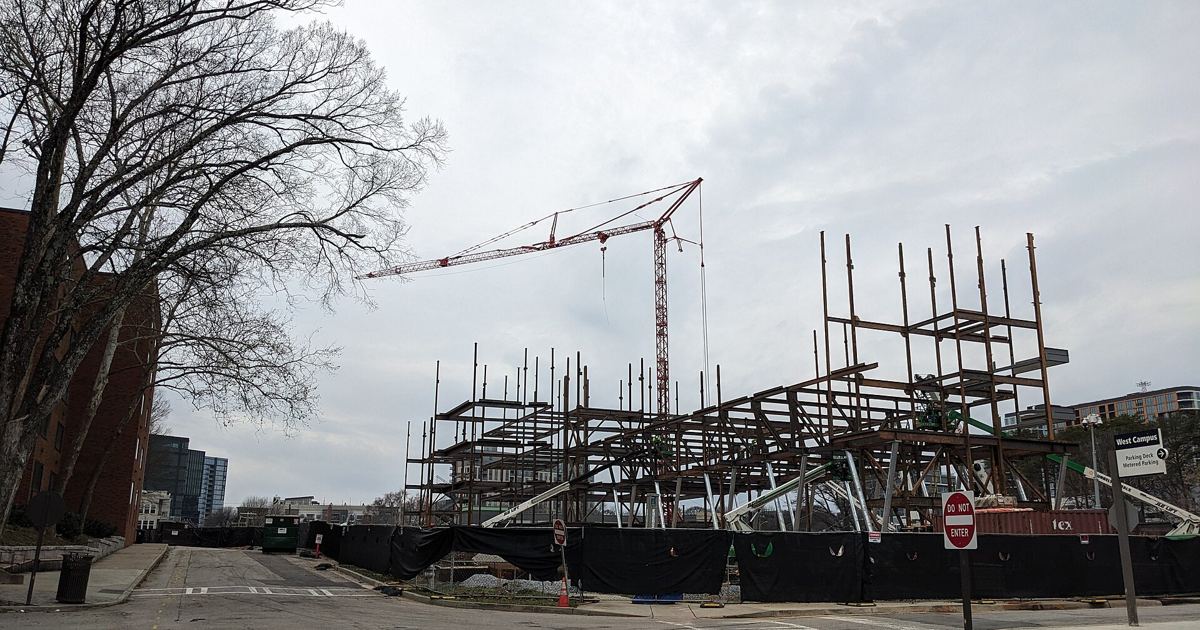 Evaluating Foreign Construction Materials: FAR 25.204 Price Penalties
Learn how federal contracting officers apply price penalties to foreign construction materials under FAR 25.204 and postaward rules under FAR 25.205.
Read article → Bidding FAR 52.222-5: Secondary Work Sites and Off-Site Fabrication
Learn how FAR 52.222-5 applies prevailing wages to secondary sites and off-site fabrication plants on federal construction projects.
Read article → Labor Standards Termination vs. Debarment: FAR Comparison
Compare contract termination and debarment for labor violations under FAR 22.406-11 and FAR 52.222-12 for federal construction contractors.
Read article → FAR 52.225-9 Guide: What Subs Must Ask the GC on Materials
Learn what trade subcontractors must ask the GC about FAR 52.225-9 Buy American rules, domestic content thresholds, and COTS waivers.
Read article → E-Verify Subcontract Flow-Down: FAR 22.1803 and 52.222-54
Learn which construction subcontracts must include FAR 52.222-54 E-Verify requirements under FAR 22.1803, including the $3,500 threshold and timeli…
Read article → FAR 22.406-3 Additional Classifications: Missing Trade Guide
Missing a trade on your federal wage determination? Learn how FAR 22.406-3 and SF 1444 conformance requirements handle unlisted classifications.
Read article → Unallowable Dispute Costs: A Guide to FAR 31.205-47
Learn which claim, legal, and dispute costs against the federal government are unallowable under FAR 31.205-47 rules.
Read article → Rental Costs Under FAR 31.205-36: Estimator Scenario Guide
Walk through how FAR 31.205-36 governs operating leases, common control rentals, and sale-leaseback costs on federal construction projects.
Read article → FAR 31.205-33 Mistakes: When Outside Consultant Fees Get Disallowed
Learn common FAR 31.205-33 mistakes when billing professional, legal, and engineering consultant fees on federal construction projects.
Read article → FAR 31.205-6 Guide: Allowable Labor and Benefit Costs
Learn how to evaluate allowable labor, owner pay, bonuses, and benefit costs on federal contracts under FAR 31.205-6.
Read article → FAR 31.105 Cost Principles: Pricing Equipment and Overhead
See how FAR 31.105 cost principles evaluate owned equipment, rented machinery, jobsite overhead, and advance agreements on federal construction con…
Read article → FAR 31.201-2 Cost Allowability: Comparison Guide for Bidders
Compare allowable and unallowable costs under FAR 31.201-2. Learn the five required tests, CAS versus GAAP rules, and supporting documentation duties.
Read article →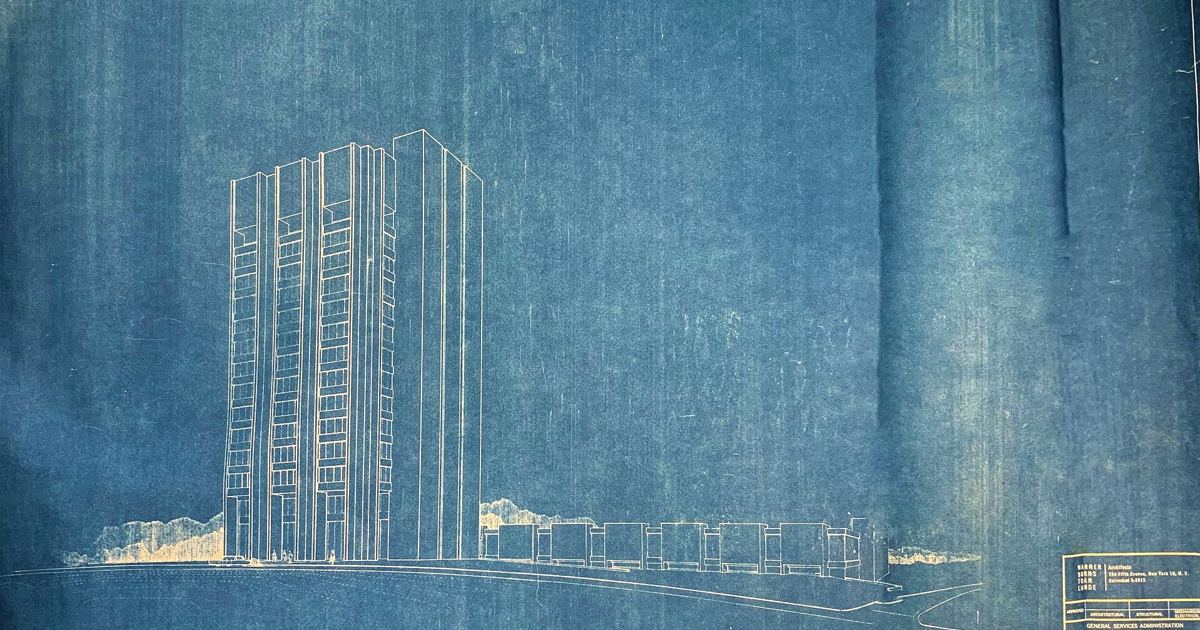 FAR 31.201-4 Allocability: Bid-Day Checklist for Job Costs
Verify job cost allocability before bid submission using this FAR 31.201-4 bid-day checklist for construction estimators and contractors.
Read article → FAR 31.205-15 Fines, Penalties, and Mischarging Explained
Learn what FAR 31.205-15 says about fines, penalties, and mischarging costs on federal contracts, including the rare allowability exceptions.
Read article → FAR 31.205-20: Unallowable Interest and Financing Costs
Learn why FAR 31.205-20 makes line-of-credit interest and capital financing costs unallowable on federal construction bids and proposals.
Read article →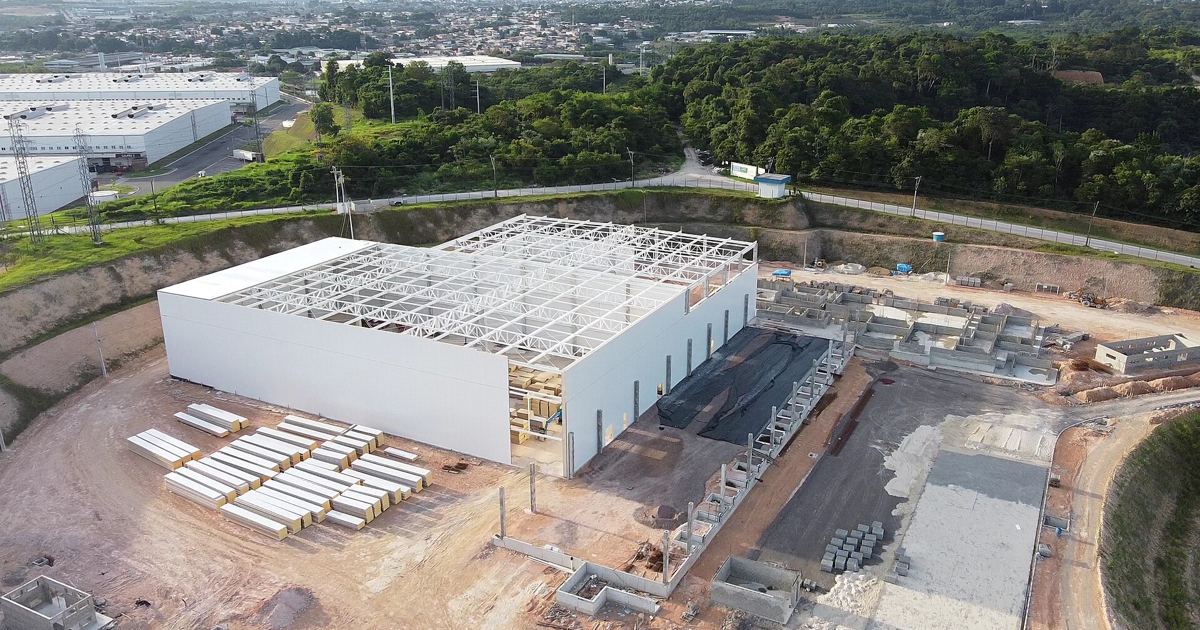 FAR 31.205-26 Material Costs: Estimator Guide to Credits & Scrap
A step-by-step estimator guide to FAR 31.205-26 material costs, covering discounts, scrap credits, store inventory pricing, and interorganizational…
Read article → Defending Cost Reasonableness Under FAR 31.201-3
Learn what makes an expense reasonable under FAR 31.201-3, how the burden of proof applies, and how estimators defend federal construction pricing.
Read article → FAR 31.205-7 Contingency Rules in Federal Proposals
Understand allowable and unallowable contingencies under FAR 31.205-7 for federal construction proposals and cost estimates.
Read article → Diving Equipment Inspection and Recordkeeping Rules
Examine OSHA 29 CFR 1910.430 equipment testing mandates and 1910.440 record retention rules for commercial diving and underwater construction.
Read article → Methylene Chloride Paint Stripper Safety: Compliance Walkthrough
Walk through OSHA methylene chloride standards for renovation stripping, covering exposure limits, air monitoring rules, and regulated area controls.
Read article → OSHA Dive Procedures Checklist: 29 CFR 1910.422 and 1910.423
Plan commercial diving operations with this compliance checklist covering in-dive safety, decompression chambers, and OSHA recordkeeping rules.
Read article → Formaldehyde Rules: Exposure and Control Mistakes to Avoid
Avoid common construction compliance errors with OSHA formaldehyde exposure limits, monitoring rules, and engineering controls under 29 CFR 1910.1048.
Read article → Allocating Overhead Under FAR 31.203: Questions to Ask the GC
Learn what to ask the GC about indirect cost pools, allocation bases, and home-office overhead rules governed by FAR 31.203 on federal jobs.
Read article →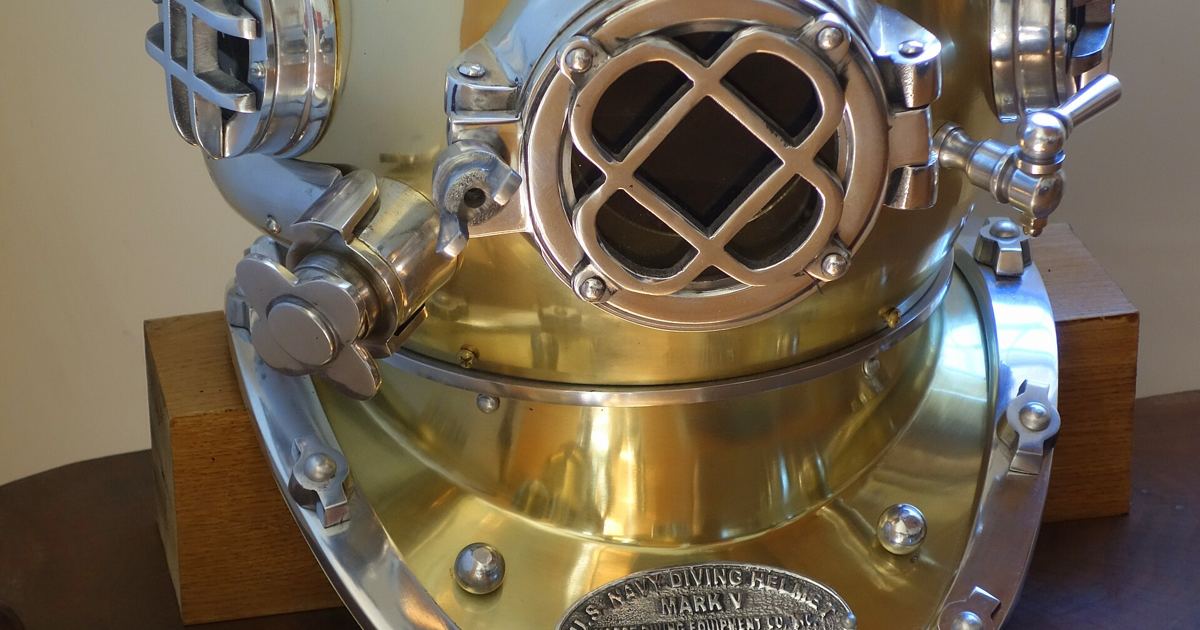 SCUBA vs. Surface-Supplied Diving: Depth Limits and Crew Bid Costs
Evaluate OSHA depth limits, standby diver rules, and crew differences under 29 CFR 1910.424 and 1910.425 to price commercial diving bids accurately.
Read article →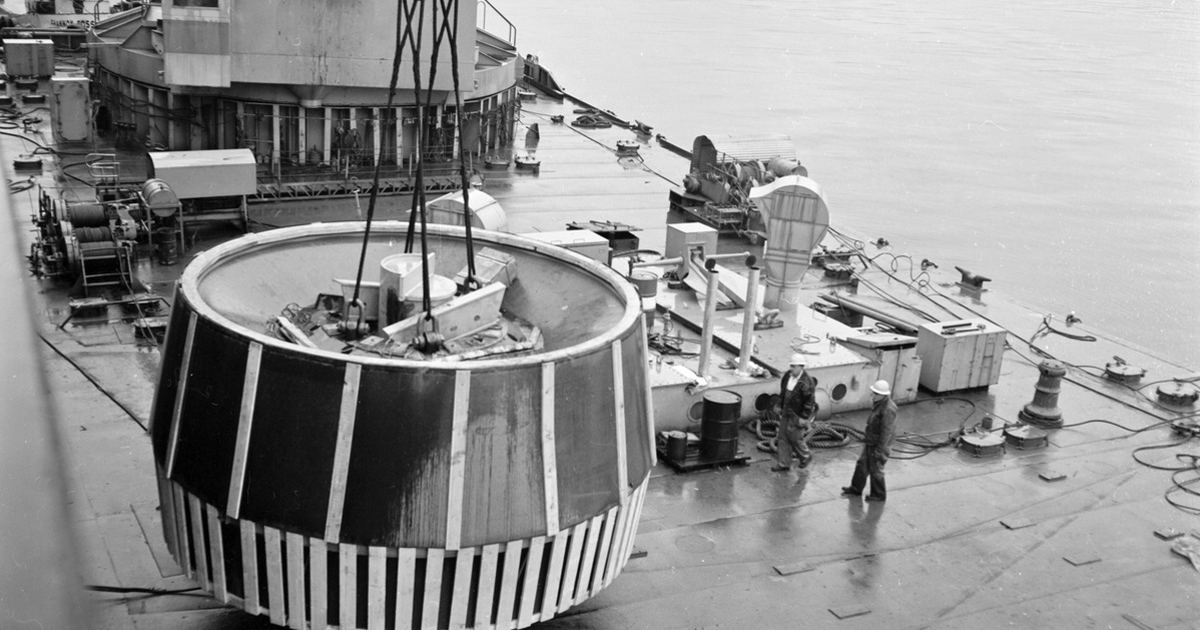 Marine Operations Bid Checklist: OSHA Barge Access and Over-Water Safety
Bid-day checklist for marine construction operations under 29 CFR 1926.605 and 1926.606, covering barge access, walkways, lifesaving gear, and divi…
Read article →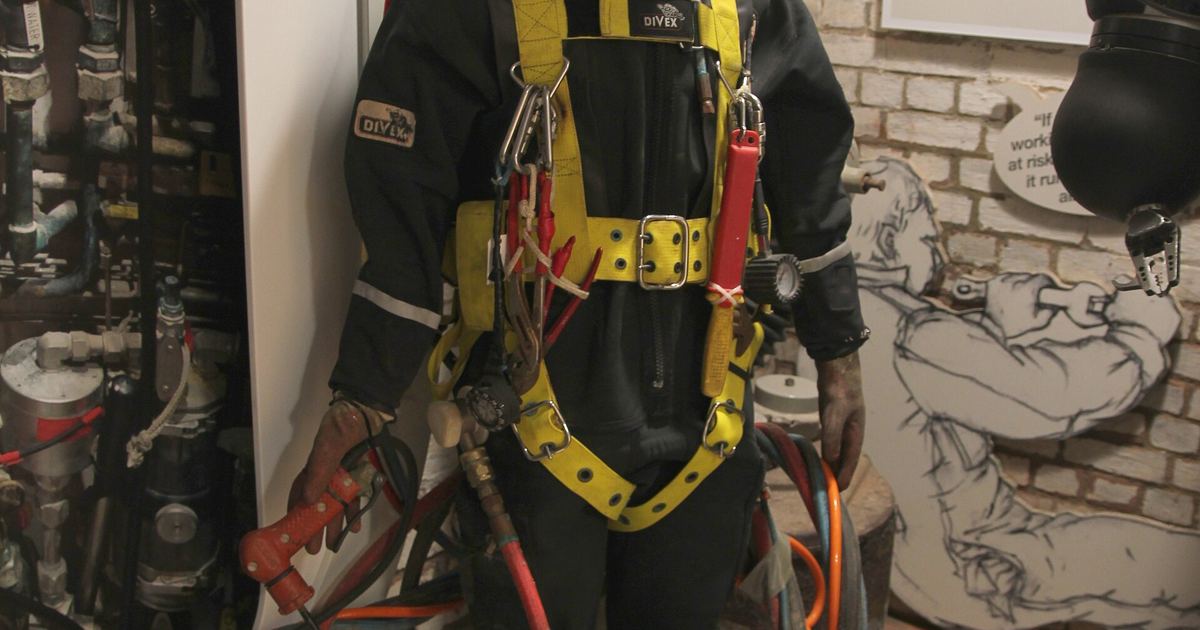 Commercial Diving on Construction Jobs: Scope Questions to Ask the GC
Essential questions for marine and bridge bidders under OSHA 29 CFR 1910.401 and 1910.402 commercial diving rules to clarify with the general contr…
Read article → Bidding Dive Team Qualifications Under 29 CFR 1910.410
Learn how 29 CFR 1910.410 dive team qualifications, CPR training, physiology rules, and person-in-charge requirements shape dive crew staffing costs.
Read article → Diving Safe Practices Manual and Pre-Dive Procedures (OSHA Rules)
Learn the OSHA 29 CFR 1910.420 and 1910.421 paperwork rules, safe practices manual requirements, and pre-dive checklists to collect from diving sub…
Read article →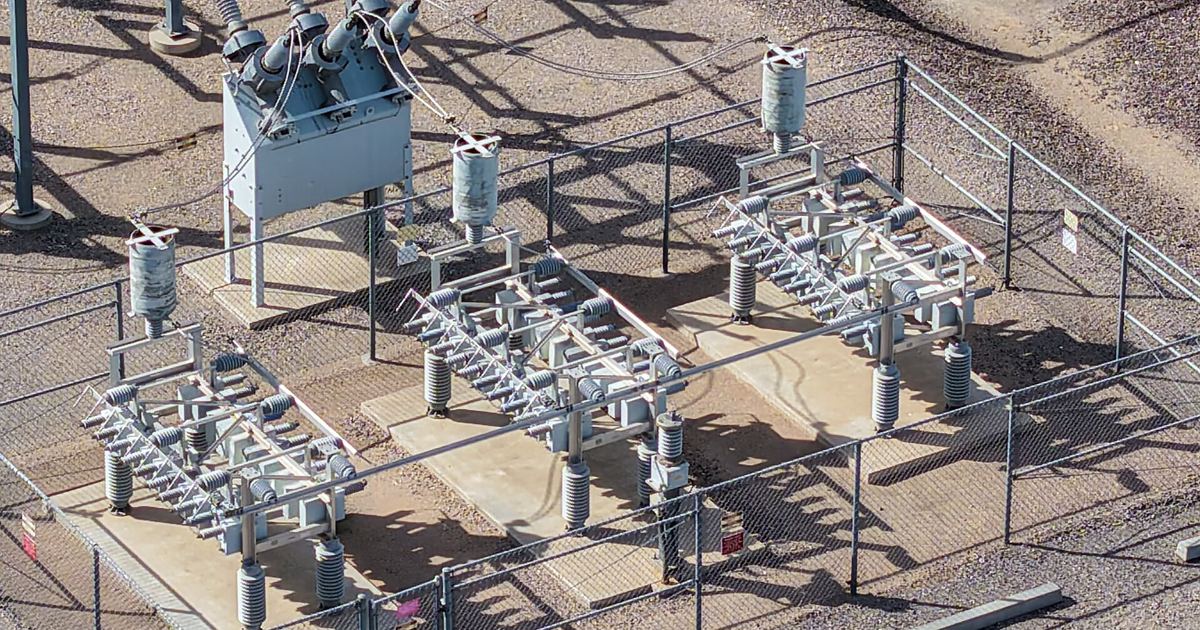 OSHA 29 CFR 1926.967: Special Conditions Power Line Guide
Understand OSHA 29 CFR 1926.967 rules covering capacitors, current transformers, series streetlighting, illumination, and jobsite safety controls.
Read article → OSHA 1926.104 vs 1926.107: Fall Protection Rules Comparison
Compare OSHA 29 CFR 1926.104 hardware, lifeline, and lanyard load requirements with the Subpart E definitions in 1926.107.
Read article →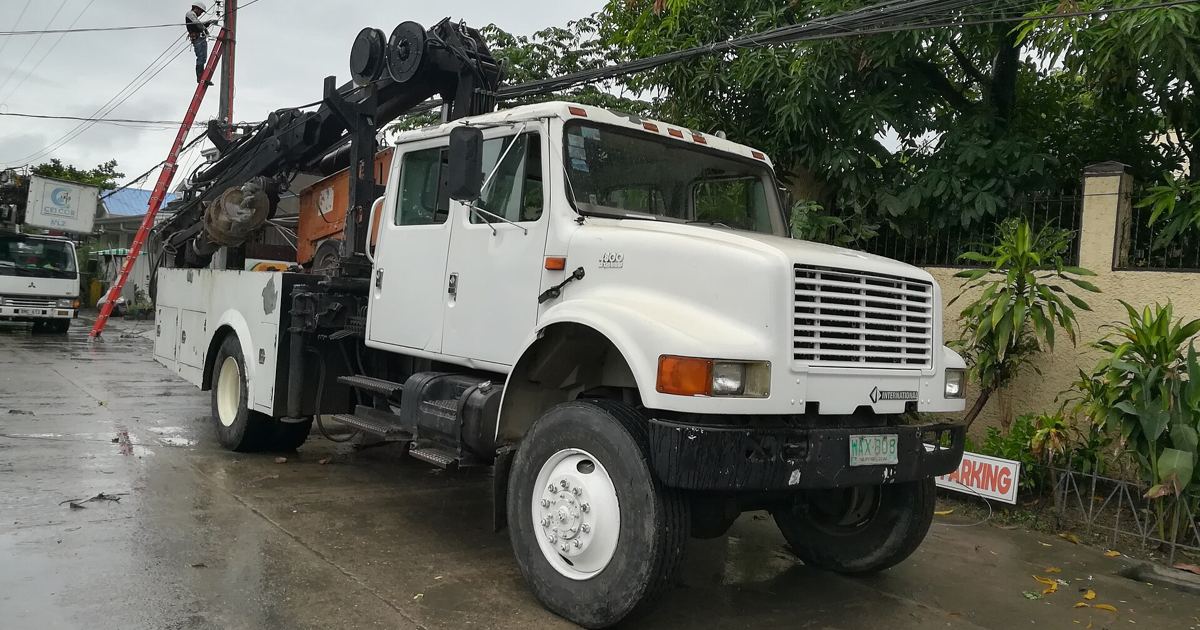 Equipment and Material Handling Near Energized Lines Checklist
A field checklist covering material storage clearances and mechanical equipment rules near energized lines under 29 CFR 1926.958 and 1926.959.
Read article →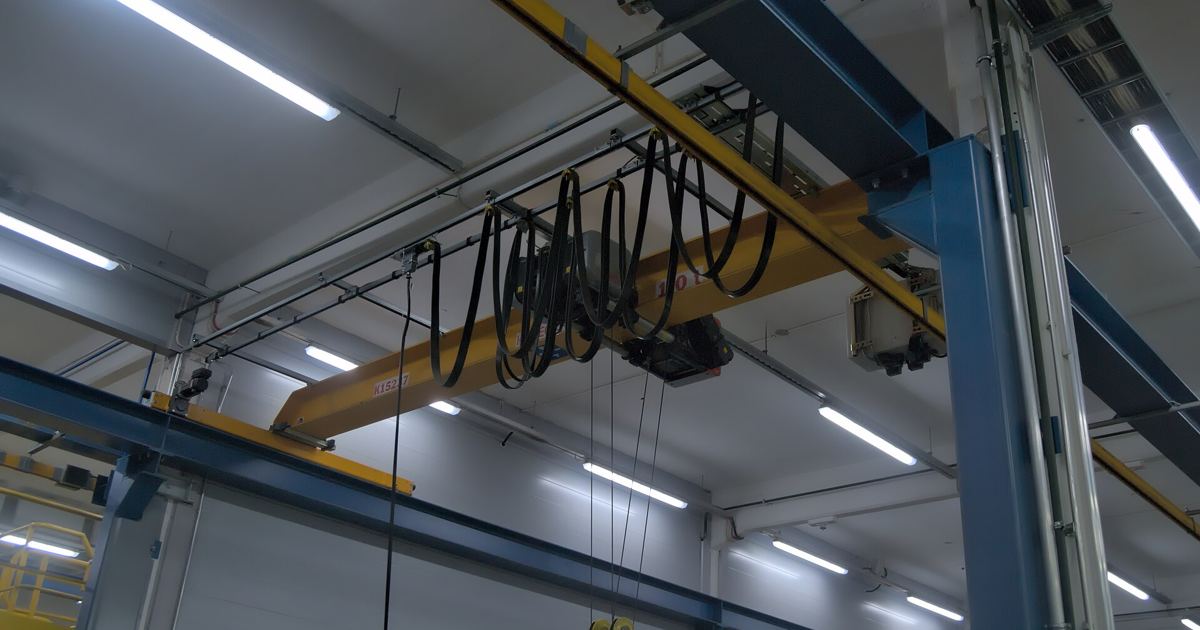 OSHA 29 CFR 1926.406: Jobsite Electrical Equipment Guide
A quick-reference guide to OSHA 29 CFR 1926.406 rules for jobsite cranes, hoists, elevators, electric welders, and industrial X-ray equipment.
Read article → OSHA 1926.957 Live-Line Tool Rules: Estimator Guide
Understand 29 CFR 1926.957 live-line tool requirements, including FRP and wood ratings, daily wiping, and 2-year testing cycles for utility bids.
Read article → Tractor ROPS and Overhead Protection: An OSHA Walk-Through
Walk through OSHA ROPS and overhead protection rules for wheel-type agricultural and industrial tractors under 29 CFR 1926.1002 and 1926.1003.
Read article → OSHA 1926.804 Compressed Air Definitions: What to Ask the GC
Learn the tunnel and caisson definitions under OSHA 29 CFR 1926.804 and discover key questions trade contractors must ask the general contractor.
Read article → Crane Wire Rope Criteria: What to Verify on Rented Cranes
Quick-reference guide to OSHA 29 CFR 1926.1414 wire rope selection, rotation resistant design factors, boom hoist reeving, and wedge socket criteria.
Read article → OSHA 29 CFR 1926.963: High-Voltage Testing Rules
Understand OSHA 29 CFR 1926.963 testing rules. Learn myths and facts on high-voltage test safeguards, grounding, barriers, and safety checks.
Read article →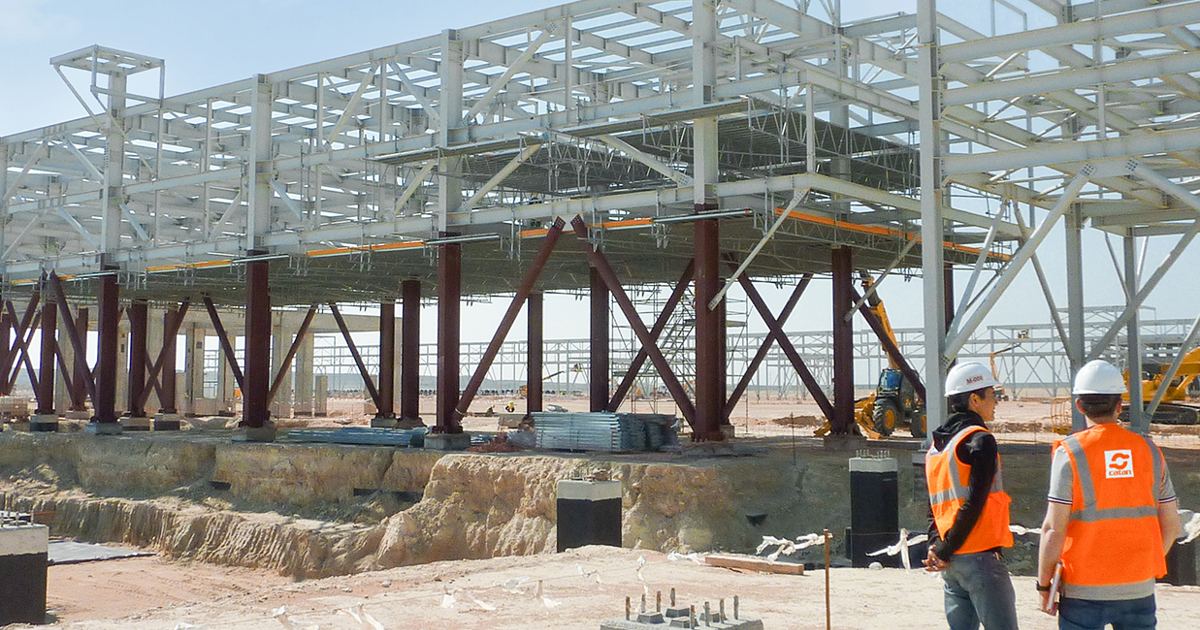 Mixed Federal Contracts: Common 29 CFR 1926.14 Mistakes
Learn common mistakes contractors make on mixed federal contracts under 29 CFR 1926.14, including section 107 scope and manufacturing overlap.
Read article → Hand and Portable Equipment Rules Under 29 CFR 1926.956
Learn line crew equipment rules under OSHA 29 CFR 1926.956, including cord grounding, generator bonding, and hydraulic tool operating pressures.
Read article → ROPS Compliance Under 29 CFR 1926.1001: Earthwork Equipment Mistakes
Avoid common compliance mistakes under 29 CFR 1926.1001 for earthwork equipment rollover protective structures manufactured before or after July 15…
Read article → Helicopter Lifts Under 29 CFR 1926.551: Estimator Bid Checklist
Bid-day checklist for helicopter lifts under OSHA 29 CFR 1926.551, covering ground crew PPE, static dissipation, hook testing, and clearance rules.
Read article →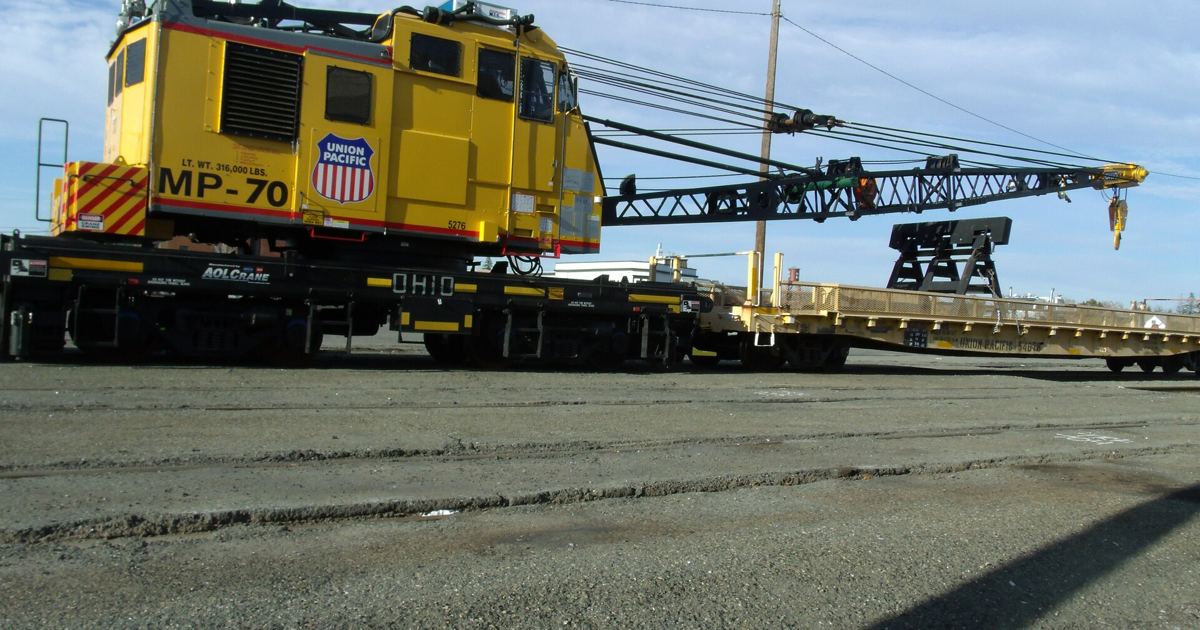 Railroad Roadway Maintenance Machines: 29 CFR 1926.1442 Rules
A comparison guide to 29 CFR 1926.1442 and which OSHA crane standards apply or are exempt for railroad roadway maintenance machines.
Read article →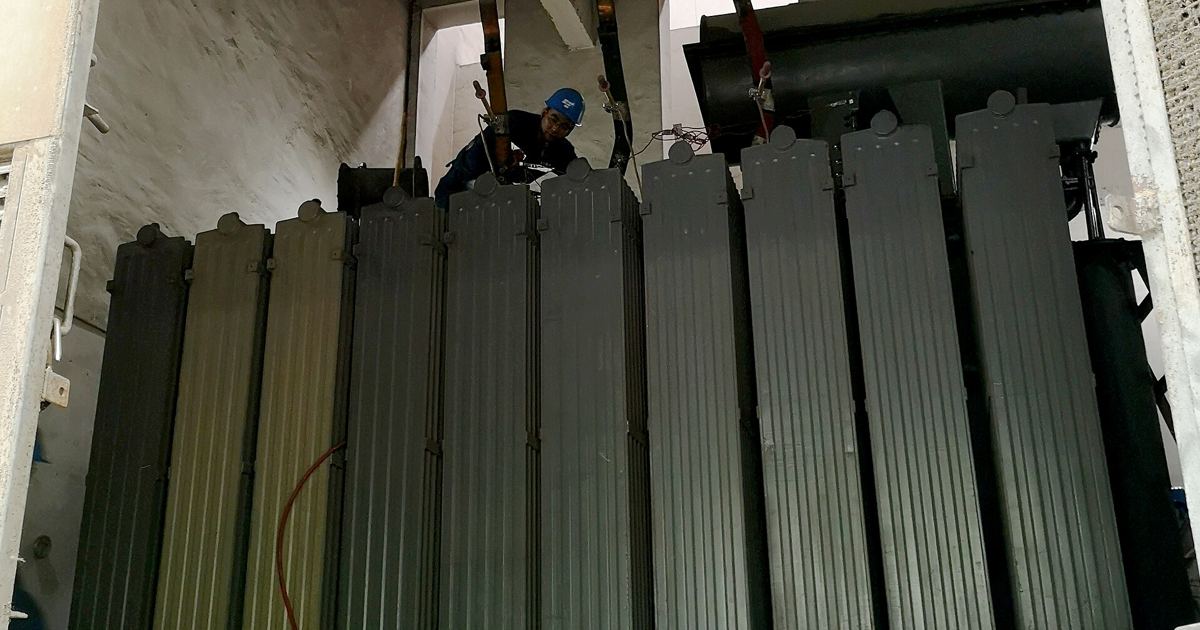 Subpart V Definitions: Walkthrough of 29 CFR 1926.968 for Subcontracts
Walk through 29 CFR 1926.968 Subpart V definitions to navigate power utility subcontracts, clearance terms, high wind limits, and enclosed space ru…
Read article →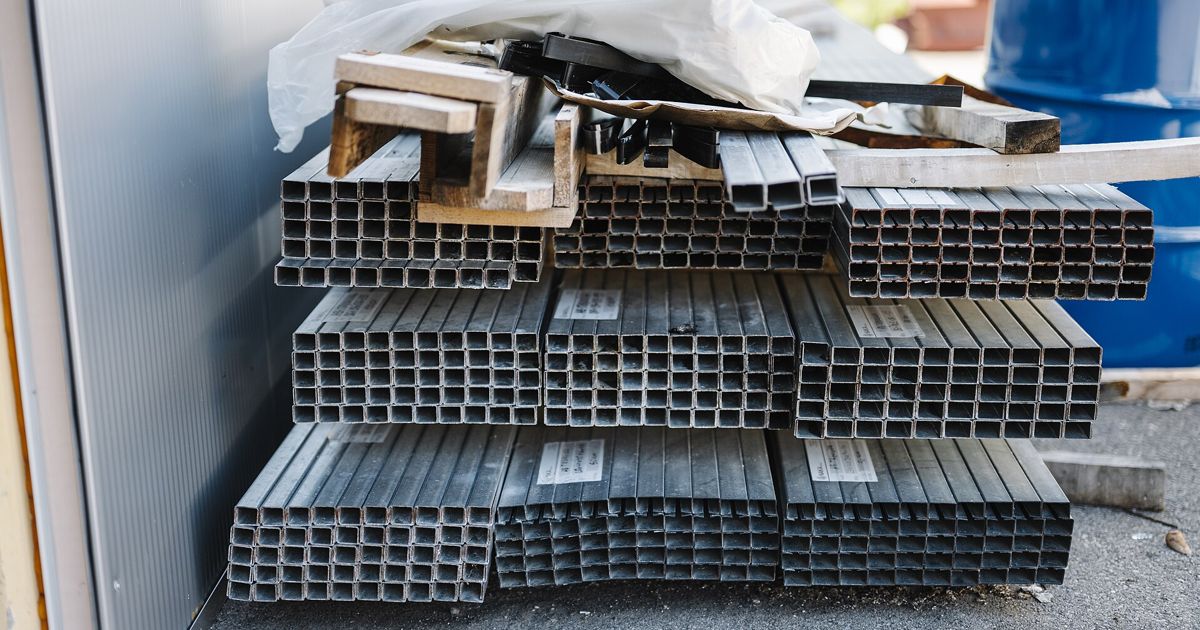 Buy American on Federal Construction Bids: Domestic Content, the 20% Factor and How to Request an Exception
FAR 52.225-9 requires domestic construction materials on covered federal jobs. A manufactured material qualifies if its U.S. component cost exceeds…
Read article → FAR 52.203-13: The Contractor Code of Ethics Rule on Large Federal Jobs ($7.5 Million, 120 Days)
On federal contracts expected to exceed $7.5 million with a performance period of 120 days or more, FAR 52.203-13 requires a written code of busine…
Read article → E-Verify on Federal Contracts: The 30-Day Enrollment Rule and What Subcontractors Must Do
FAR 52.222-54 requires E-Verify on most federal contracts over $150,000 that run 120 days or more. Contractors must enroll within 30 days of award…
Read article →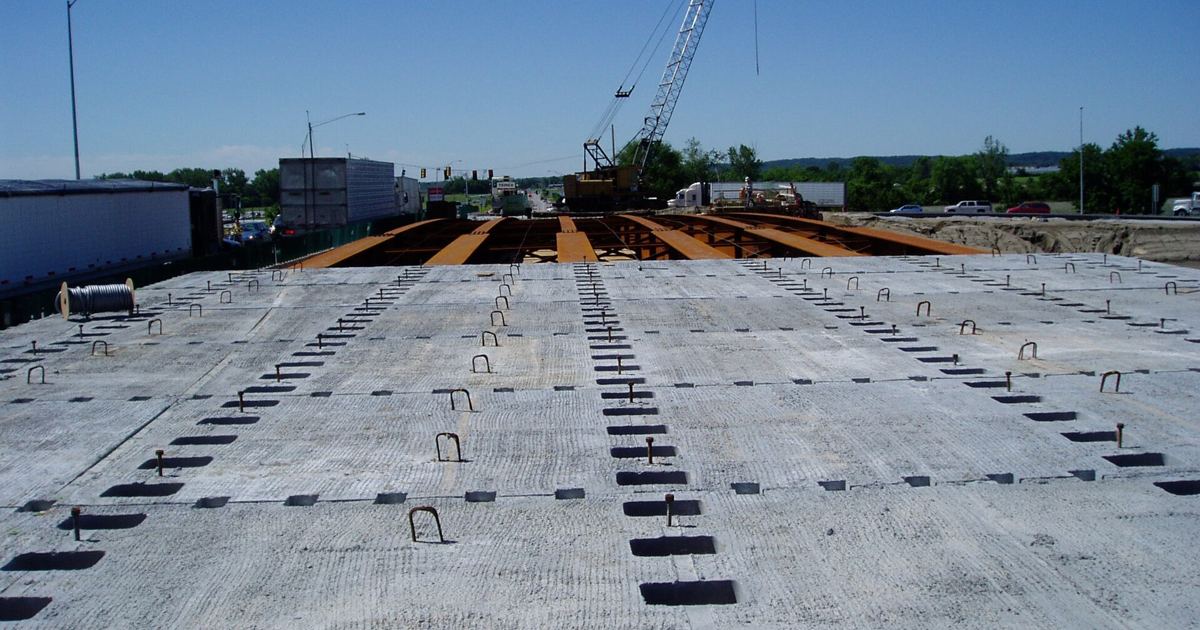 Precast Concrete Bidding: How to Track BLS PPI Price Trends
Learn how to use BLS PPI series WPU1334 precast concrete data to evaluate supplier quotes, verify price trends, and structure accurate construction…
Read article → Floor Coverings PPI Trends: Flooring Estimates Walk-Through
Examine BLS PPI series WPU123 floor coverings price trends through September 2026 with a step-by-step hypothetical estimate walk-through.
Read article → Concrete Pipe Price Trends: What to Ask the GC on Utility Bids
BLS PPI data for concrete pipe stands at 399.7. Here are key questions estimators must ask the general contractor before submitting storm drain bids.
Read article →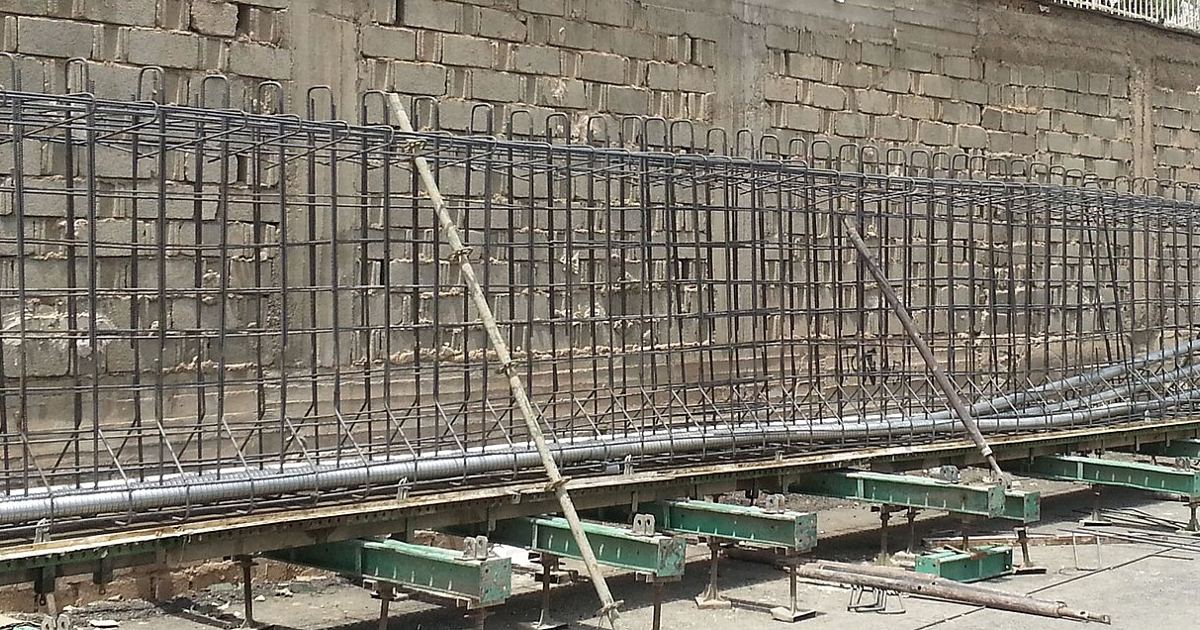 Prestressed Concrete Trends: PPI Guide for Bridge and Parking Bids
Compare BLS PPI data for prestressed concrete products to evaluate cost shifts when pricing bridge and parking structure bids.
Read article → Fabricated Steel Plate Price Trends: BLS PPI Data for Bids
BLS PPI data for fabricated steel plate through August 2026. Track key price levels, historical averages, and bidding tips for tanks and plate work.
Read article →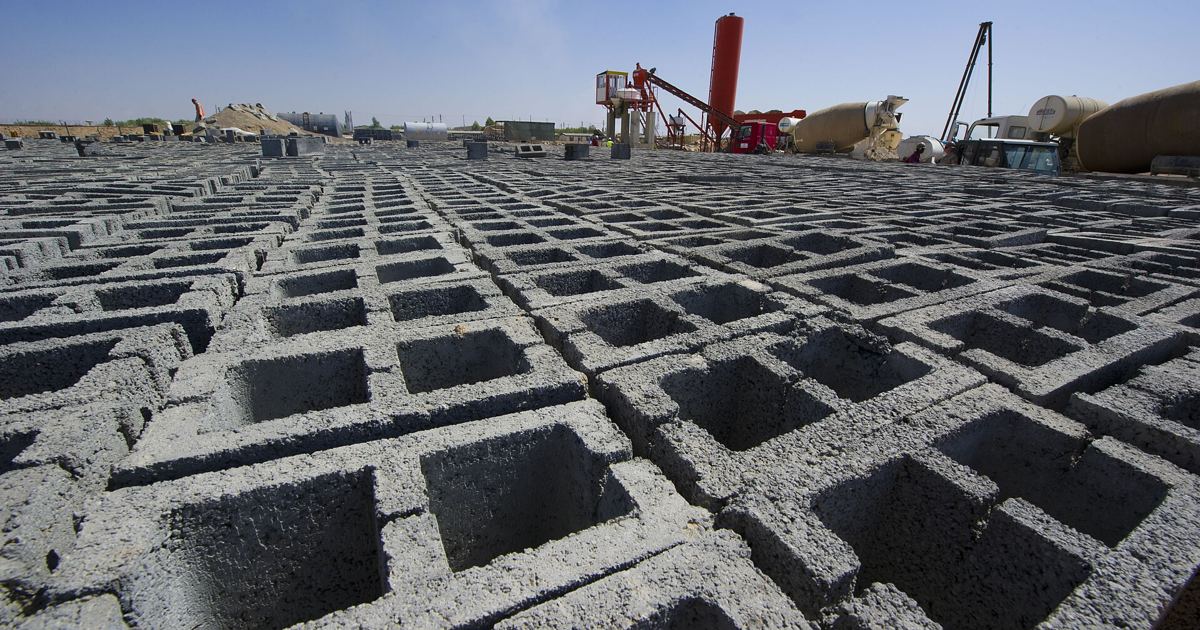 Concrete Block and Brick Price Trends for Masonry Estimators
Explore concrete block and brick PPI trends through September 2026 using BLS data, historical price baselines, and bid protection strategies.
Read article → Updating Owned-Equipment Rates with Construction Machinery PPI
Learn how to update owned-equipment rates using BLS PPI data for construction machinery and equipment to keep bidding estimates accurate.
Read article → Elevators and Lifts Price Trends: PPI Myths vs. Facts
Examine BLS PPI trends for elevators, escalators, and other lifts. Discover key commodity benchmarks, recent price changes, and myths in conveying…
Read article →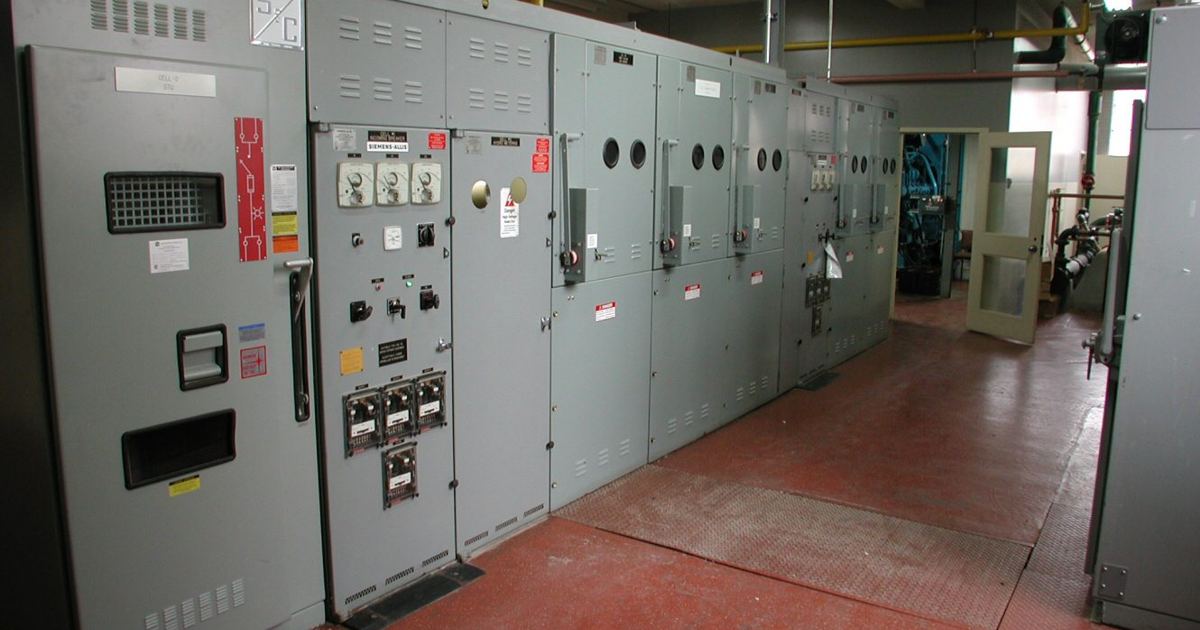 Electrical Machinery PPI: Walkthrough for Construction Bids
Walk through BLS PPI data for electrical machinery and equipment to evaluate price trends and protect your bids through September 2026.
Read article → Resilient Flooring Bid-Day Checklist: BLS PPI Data and Trends
Review BLS PPI trends for resilient floor coverings to build accurate bids. Track commodity data, recent price spikes, and escalation baselines.
Read article → Parts for Construction Machinery PPI: Equipment Repair Bidding Guide
Track construction machinery parts PPI trends to audit equipment repair budgets and price maintenance risk accurately into contractor bids.
Read article →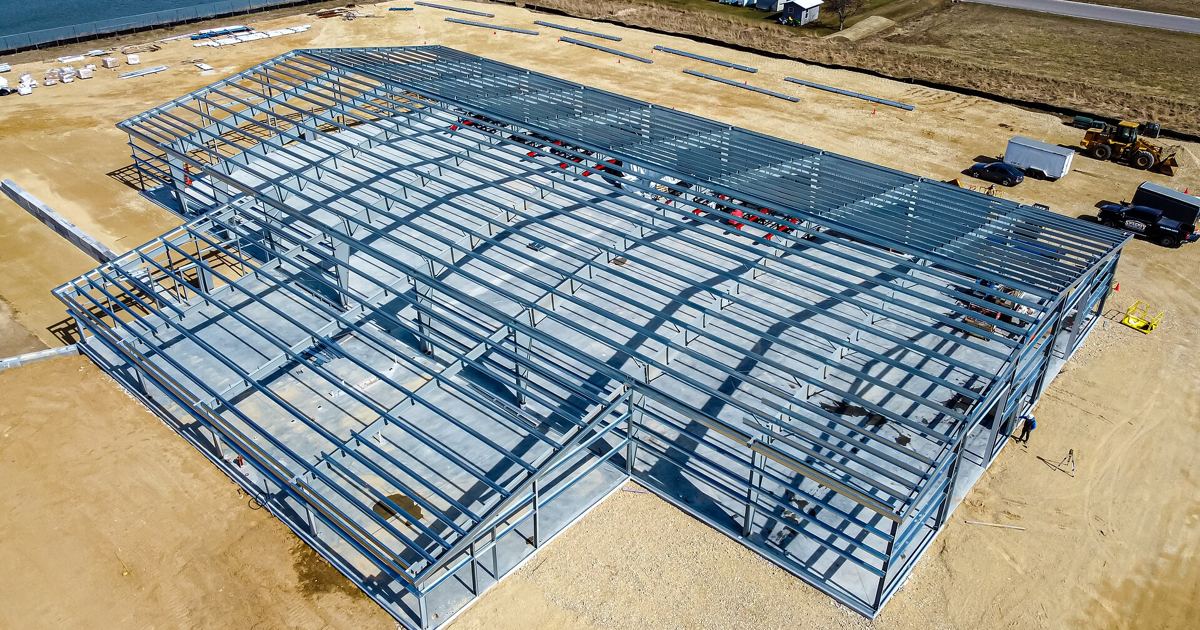 Metal Products PPI Comparison: Trends for Framing and Steel Bids
Compare PPI trends for structural, architectural, and pre-engineered metal products from 2020 through September 2026 to build accurate bids.
Read article → General Millwork PPI Trends: Questions to Ask the GC
General millwork PPI reached 357.3 in September 2026. Review BLS price trends and critical questions to ask the GC before locking finish carpentry…
Read article → Bid Samples Under FAR 14.202-4: Common Estimator Mistakes
Avoid costly mistakes with federal bid samples under FAR 14.202-4, including responsiveness criteria, unsolicited samples, waivers, and return rules.
Read article → FAR 14.407-3 Bid Mistakes: Myths and Realities Before Award
Examine the rules of FAR 14.407-3 for correcting or withdrawing a mistaken federal bid after bid opening but prior to award.
Read article → FAR 14.405 Checklist: Waiving Minor Informalities in Sealed Bids
Understand FAR 14.405 rules on minor informalities, what contracting officers can waive or let you cure, and what defects risk sealed bid rejection.
Read article → FAR 14.304 Bid-Day Timing: Late Bids, Modifications, and Withdrawals
Step-by-step federal bidding walkthrough of FAR 14.304 rules for late bids, bid modifications, withdrawals, and receipt evidence on bid day.
Read article → Hardware PPI Price Trends: Bidding Builders Hardware
Track BLS Producer Price Index trends for hardware to manage material escalation, lock supplier pricing, and protect commercial door bids.
Read article → Heating Equipment PPI Trends: Estimator Q&A and Escalation
BLS PPI data shows heating equipment at peak index levels in late 2026. Discover key price trends and bidding strategies for mechanical escalation.
Read article → FAR 14.404-1 Explainer: When Federal Bids Are Canceled After Opening
Learn why federal agencies can cancel an invitation for bids after opening under FAR 14.404-1, from ambiguous specs to unreasonable bid pricing.
Read article → FAR 15.403-4 Certified Cost or Pricing Data: Thresholds & Changes
Understand when certified cost or pricing data is required under FAR 15.403-4 for negotiated federal construction work and change order thresholds.
Read article →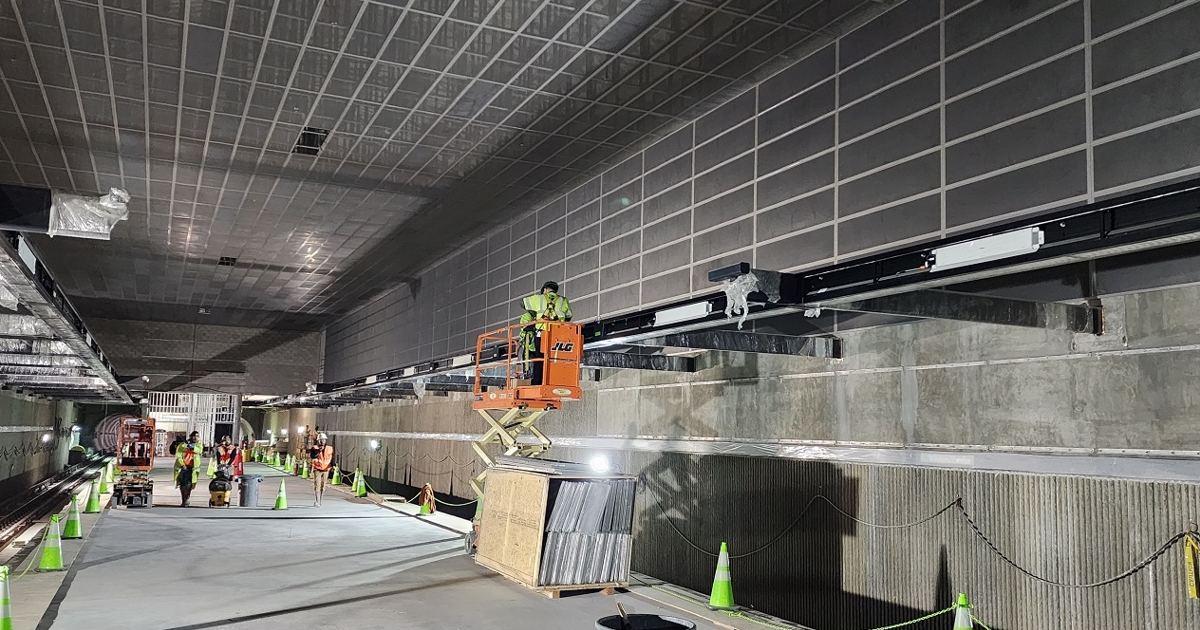 How to Handle a FAR 9.106-1 Preaward Survey as a Low Bidder
Learn how contracting officers apply FAR 9.106-1 preaward surveys, evaluate responsibility, check eligibility, and handle unfavorable contractor data.
Read article → Fabricated Ferrous Wire Products: PPI Trends for Bids
Review BLS PPI data for fabricated ferrous wire products to benchmark costs for wire, mesh, and ties in construction bids and escalation clauses.
Read article → FAR 14.408-1 Award Rules: Sealed Bidding Explained
Learn how federal sealed-bid awards are made under FAR 14.408-1, including award notices, forms SF 33 and SF 26, and multi-item awards.
Read article → Contractor Responsibility: What to Ask the GC Under FAR 9.104-1
Learn the FAR 9.104-1 contractor responsibility standards contracting officers review after bids and what questions trade subcontractors must ask t…
Read article →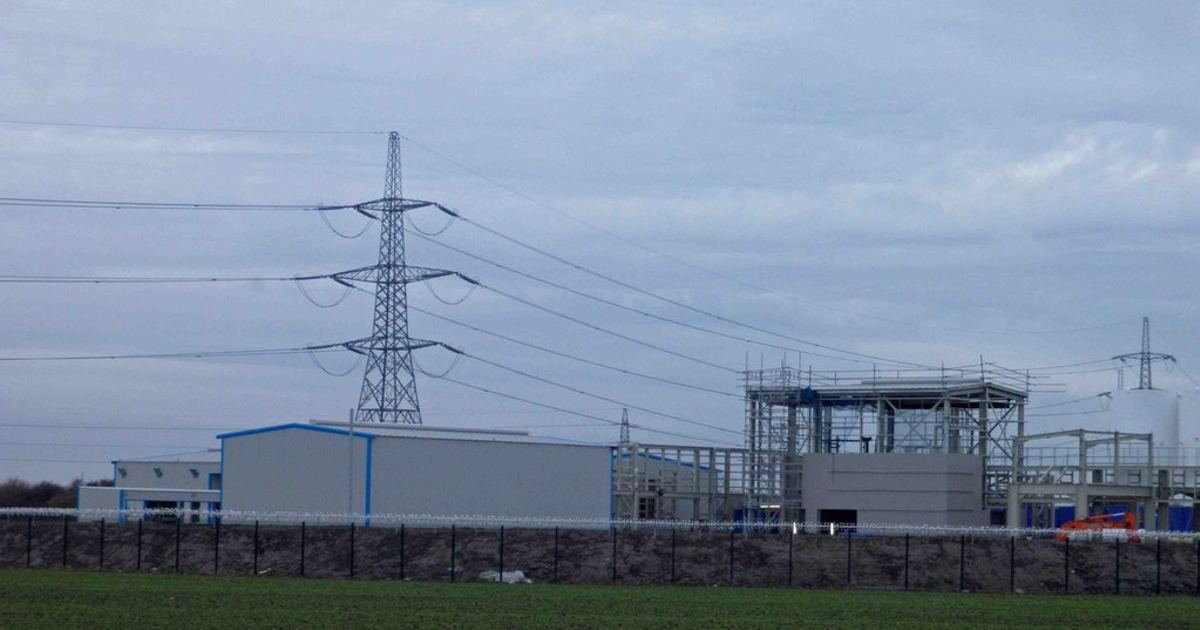 Prefabricated Metal Buildings Price Trends: Bidding Mistakes
Avoid costly bidding mistakes on pre-engineered metal buildings using BLS PPI series WPU1079 price trends, historical benchmarks, and escalation data.
Read article → FAR 49.202 Settlement Profit: Common Mistakes on Terminated Work
Learn how profit is allowed under FAR 49.202 when a federal construction contract is terminated for convenience, and avoid common settlement mistakes.
Read article → FAR 52.249-14 Excusable Delays: Bid-Day Contractor Checklist
Excusable delays under FAR 52.249-14: review qualifying events, subcontractor tier rules, and schedule revision steps in our bid-day checklist.
Read article → Terminating for Default Under FAR 49.402-3: A Scenario Walk-Through
Learn how federal default termination unfolds under FAR 49.402-3, from cure and show cause notices to contractor responses and final decisions.
Read article → FAR 52.242-15 Stop-Work Orders: Contractor Comparison Guide
Compare contractor duties, recovery rights, and equitable adjustment rules under FAR 52.242-15 stop-work orders on federal construction contracts.
Read article → FAR 52.242-17 Explained: How Contractors Recover Government Delay Costs
Learn how FAR 52.242-17 and 42.1304 govern contractor compensation for federal job delays, including the 20-day notice rule and cost adjustments.
Read article → Certifying a FAR Contract Claim: Questions for the Prime GC
Learn when a federal contract claim requires certification under FAR 33.207, the exact required wording, and key questions to ask your prime contra…
Read article → Acceptability of Corporate Sureties Under FAR 28.202
Review FAR 28.202 rules for corporate sureties on federal bonds, Treasury Circular 570 underwriting limits, reinsurance forms, and agency compliance.
Read article → FAR 52.243-5 Changes and Changed Conditions: Estimator Walkthrough
A step-by-step walkthrough of FAR 52.243-5 Changes and Changed Conditions, detailing scope modifications, physical site notices, and adjustments.
Read article → Contracting Officer Final Decisions: FAR 33.211 Rules
Learn the mandatory contents and statutory timelines under FAR 33.211 for a contracting officer's final decision on a construction claim.
Read article → Pricing Insurance for Work on a Government Installation: FAR Rules
Learn the insurance coverage types and minimum liability amounts required under FAR 52.228-5 and FAR 28.307-2 for federal installation contracts.
Read article → Federal Contract Financing Methods: FAR 32.102 Compared
Compare federal contract financing methods under FAR 32.102, including advance payments, progress payments, and performance-based terms.
Read article → Agency-Level Bid Protests (FAR 33.103): Rules and Deadlines
Understand agency-level bid protests under FAR 33.103, including filing deadlines, submission requirements, and automatic stay rules.
Read article → Depositing Security Under FAR 28.204: A Step-by-Step Guide
A step-by-step walkthrough for contractors depositing alternative security in lieu of corporate sureties on federal projects under FAR 28.204.
Read article → Getting a Prime's Payment Bond: Myths vs. Facts Under FAR 28.106-6
Learn the myths and facts about obtaining a prime contractor's payment bond, penal amount, and surety details under FAR 28.106-6.
Read article → Definitizing Change Orders: Settling FAR 43.204 Equitable Adjustments
Understand how federal change orders are definitized under FAR 43.204, covering documentation, proposal timelines, cost reviews, and release statem…
Read article → Bilateral vs. Unilateral Modifications: What You Sign
Understand bilateral and unilateral contract modifications under FAR 43.101 and 43.103 with this checklist for construction contractors.
Read article → FAR 52.232-23 Bid-Day Checklist: Assignment of Claims
Review FAR 52.232-23 on bid day. Learn rules for assigning federal contract payments to financing institutions, Alternate I setoffs, and clause terms.
Read article → FAR 52.228-12 Bidding Mistakes: Getting Prime Payment Bonds
Learn key bidding mistakes under FAR 52.228-12 when requesting a prime contractor payment bond before submitting your trade proposal.
Read article → FAR 32.112: Subcontractor Nonpayment and Federal Inquiries
Quick reference on subcontractor assertions of nonpayment and requests for information under FAR 32.112-1 and 32.112-2 on federal jobs.
Read article → FAR 43.104 Notification of Changes: Myths vs. Facts
Learn the myths and facts of notification of contract changes under FAR 43.104, including contractor duties and government response options.
Read article → Bid Guarantees and the Attorney-in-Fact: FAR Rules
Learn FAR 28.101-1 and 28.101-3 rules for bid guarantees, attorney-in-fact authority, power of attorney evidence, and responsiveness vs. responsibi…
Read article → FAR Bond Forms and Additional Security Checklist (28.106)
A checklist of federal Standard Forms under FAR 28.106-1 and procedural rules for providing additional bond security under FAR 28.106-3.
Read article → Bidding FAR 52.222-9: Apprentice Questions to Ask Your GC
Learn what to ask your general contractor about FAR 52.222-9 apprentice ratios, OATELS registration, fringe benefits, and prevailing wage labor costs.
Read article → FAR 22.407 Labor Standards: Bid-Day Checklist for Subcontractors
A bid-day checklist for subcontractors reviewing federal labor standards clauses under FAR 22.407, from mandatory clauses to price adjustment options.
Read article → Resolving Construction Labor Disputes Under FAR 22.406-10
A practical guide to construction labor standards disputes under FAR 22.406-10, explaining appeal routes and Wage and Hour Division enforcement.
Read article →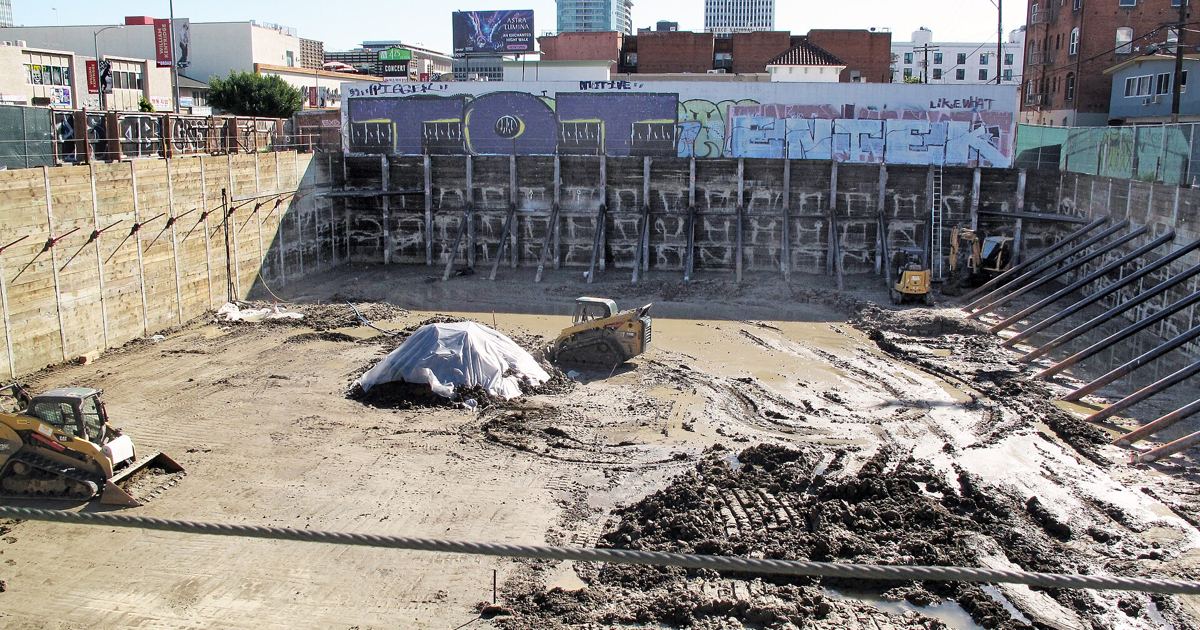 FAR 19.805-1 Breakdown: When 8(a) Construction Must Be Competed
Learn when federal 8(a) construction contracts must be competed under FAR 19.805-1, including dollar thresholds and sole-source exceptions.
Read article → FAR 19.704 Subcontracting Plans: What to Ask the Prime GC
Learn the key elements of a FAR 19.704 small business subcontracting plan and specific questions trade contractors can ask prime GCs when pitching…
Read article → FAR 19.1505 WOSB Set-Asides: Myths vs. Facts for Contractors
Explore myths and facts about FAR 19.1505 WOSB and EDWOSB set-aside procedures, eligibility rules, and SBA timelines for federal contractors.
Read article → FAR 19.1405 SDVOSB Set-Aside Checklist for Construction
A checklist-driven guide to FAR 19.1405 service-disabled veteran-owned small business set-aside rules, eligibility checks, and award procedures.
Read article → Bid-Day Checklist: When Primes Need a Subcontracting Plan
A bid-day checklist for trade subcontractors bidding to large primes under FAR 19.702 and FAR 19.705-2 small business subcontracting plan rules.
Read article → Dedicated Pile Drivers and Sideboom Cranes: Subpart CC Guide
Compare OSHA Subpart CC crane rules for dedicated pile drivers and sideboom cranes under 29 CFR 1926.1439 and 1926.1440.
Read article → FAR 52.219-14 Subcontracting Limits: A Step-by-Step Bidding Guide
Learn the limitations on subcontracting under FAR 52.219-14 and FAR 19.505 for federal construction bids, including percentage caps and material ex…
Read article → FAR 22.404-6 Wage Determination Modifications: Bid Opening Walk-Through
Walk through FAR 22.404-6 rules for wage determination modifications before bid opening, during negotiation, and after contract award.
Read article → Total Small Business Set-Asides: FAR 19.502-2 Guide
Learn when federal jobs must be set aside for small business under FAR 19.502-2, the Rule of Two, thresholds, and sole-offer award rules.
Read article → How to Represent Small Business Size on Federal Bids (FAR 19.301-1)
Learn how to represent small business size status in writing on federal bids under FAR 19.301-1, including timing rules, joint ventures, and protests.
Read article → FAR 22.406-8 Investigations: Labor Standards Explainer
Understand what triggers a FAR 22.406-8 labor standards investigation, confidentiality rules, the 60-day rebuttal window, and enforcement reports.
Read article → HUBZone Set-Asides and Price Evaluation Preference: FAR Estimator Q&A
A Q&A guide to FAR 19.1305 HUBZone set-asides and FAR 19.1307 ten percent price evaluation preferences for federal construction estimators.
Read article → Barge Crane Lifts: 29 CFR 1926.1437 Rules for Marine Rigging
Walk through OSHA 29 CFR 1926.1437 rules for marine lifts, covering barge list and trim, safety devices, inspections, and land crane derating.
Read article → Requesting Wage Determinations: 5 FAR 22.404-3 Mistakes
Avoid procurement delays under FAR 22.404-3. Learn how federal agencies request Davis-Bacon project wage determinations and handle SF 308.
Read article → FAR 22.406-2 Davis-Bacon Wages, Fringe Benefits, and Overtime Guide
Compare fringe benefit payment options and overtime rules under FAR 22.406-2 to build compliant labor rates on federal construction bids.
Read article → 29 CFR 1926.1429: Crane Maintenance Qualification Rules
Understand OSHA 29 CFR 1926.1429 rules for who can maintain, repair, and inspect cranes, plus equipment operation criteria.
Read article → Crane Modifications Under 29 CFR 1926.1434: Approval Rules
Step-by-step guide to crane equipment modifications under 29 CFR 1926.1434, covering manufacturer approval and registered professional engineer rev…
Read article → 29 CFR 1926.1433 Crane Design and Testing Rules for Bids
Learn the crane design, construction, and prototype testing rules under 29 CFR 1926.1433 before hoisting equipment arrives on site.
Read article → Bidding Derrick Safety: 5 Costly 29 CFR 1926.1436 Mistakes
Avoid costly bidding mistakes under OSHA 29 CFR 1926.1436 for guy, stiffleg, and Chicago boom derricks, including load tests and operational aids.
Read article → Overhead Lines vs. Live-Line Barehand Work: OSHA 1926.964 Guide
Compare OSHA 29 CFR 1926.964 requirements for overhead line installation, pole setting, and live-line barehand work for utility bids.
Read article →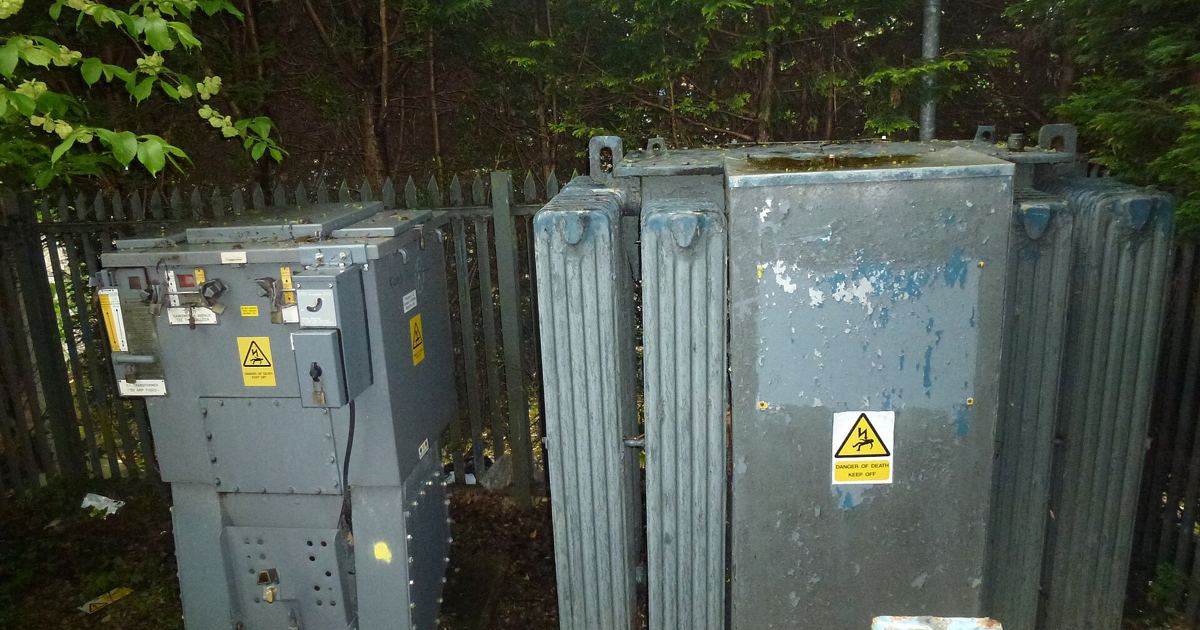 Bidding Underground Electric and Substations: OSHA 1926.965-966
Quick-reference guide to OSHA 29 CFR 1926.965 and 1926.966 rules for underground electrical installations, vaults, and substation jobsites.
Read article → Bidding Power Line PPE Under OSHA 29 CFR 1926.954
Step-by-step estimator walkthrough for budgeting fall protection, body belts, positioning straps, and arc-rated gear under OSHA 29 CFR 1926.954.
Read article →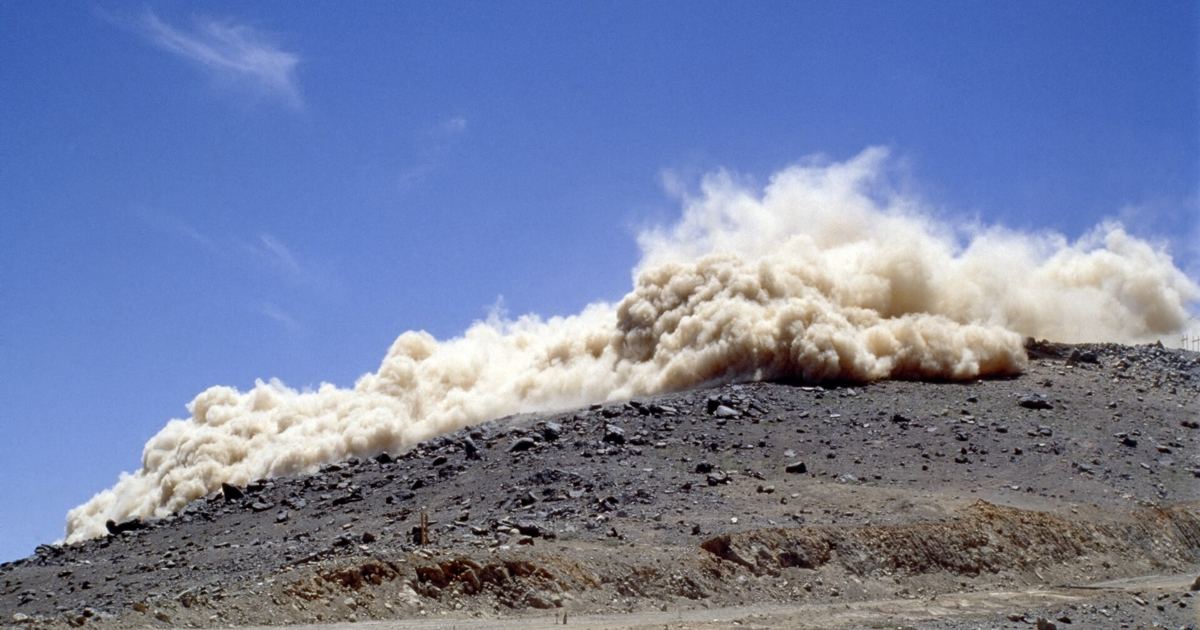 Blasting Day Safety: Questions Trade Contractors Must Ask the GC
Learn key questions to ask the GC about blasting signals, post-blast inspections, clearance times, and misfire safety under OSHA regulations.
Read article → Underwater Blasting Safety Guide: 29 CFR 1926.912
Learn federal underwater blasting rules under 29 CFR 1926.912, including blaster oversight, 1,500-foot vessel clearances, and misfire safety.
Read article → Blasting & Explosives Terms (29 CFR 1926.914): Subcontract Checklist
A checklist-driven guide to blasting and explosives definitions under OSHA 29 CFR 1926.914 for construction estimators and subcontract scopes.
Read article → Deenergizing and Grounding Lines: The OSHA Clearance Walk-Through
A scenario walk-through of the OSHA line clearance and protective grounding process under 29 CFR 1926.961 and 1926.962 for construction crews.
Read article → Bidding Enclosed Spaces Under OSHA 29 CFR 1926.953
Learn how to estimate enclosed space entries under 29 CFR 1926.953, covering atmospheric testing, ventilation, cover removal, and attendant require…
Read article →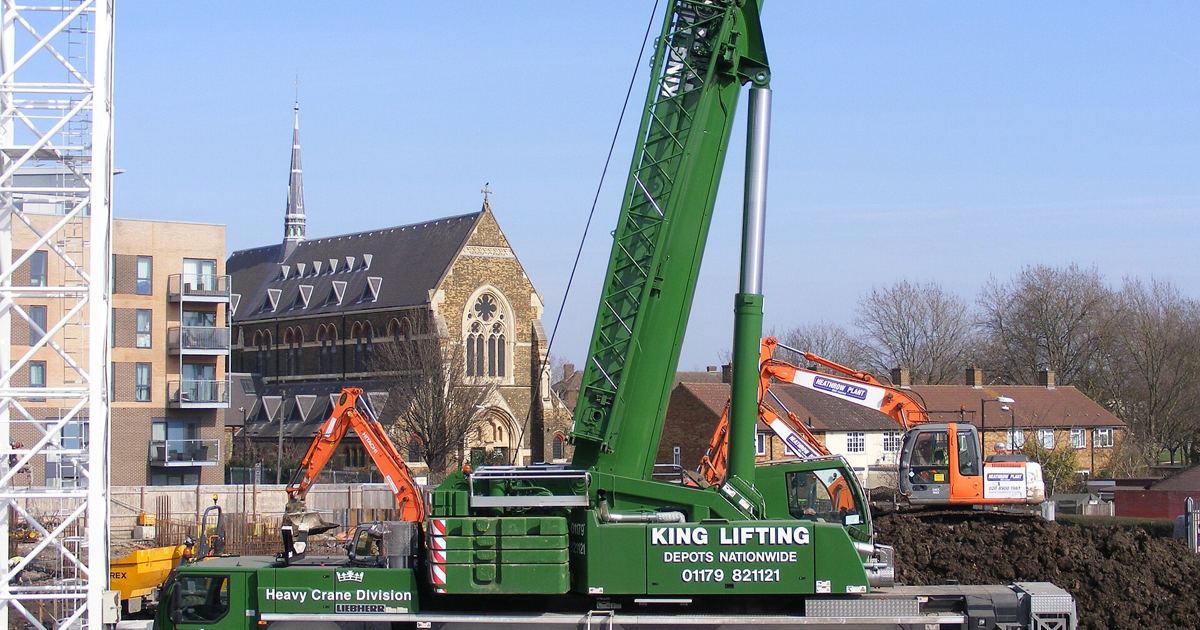 Crane Standard Definitions: Estimator Bid-Day Checklist
Review key crane standard definitions under 29 CFR 1926.1401 with this bid-day checklist for estimators, covering A/D directors, fall zones, and ri…
Read article → Crane Boom Disassembly and Employer Procedures: Questions for the GC
Learn what to ask the GC about crane boom and jib dismantling under OSHA 29 CFR 1926.1405 and employer assembly procedures under 29 CFR 1926.1406.
Read article → OSHA 29 CFR 1926.913 Blasting Under Compressed Air Q&A
Understand OSHA 29 CFR 1926.913 rules for blasting under compressed air, including storage, air locks, grounding, and mixed face excavation.
Read article → Crane Radio and Voice Signals: Setup and Transmission Rules
Learn OSHA rules for crane radio, telephone, and voice signals. Understand dedicated channels, hands-free systems, testing, and required signal ele…
Read article → OSHA 1926.960 Energized Parts Rules: 5 Costly Field Mistakes
Avoid costly jobsite mistakes under 29 CFR 1926.960. Learn OSHA rules for minimum approach distances, qualified staff, two-worker crews, and arc pr…
Read article → Crane Boom Free Fall Limits: OSHA 29 CFR 1926.1426 Checklist
Review OSHA 29 CFR 1926.1426 rules on crane boom free fall, controlled load lowering, friction drums, and hydraulic cylinder holding devices.
Read article → OSHA Subpart V Scope: 29 CFR 1926.950 Myths vs. Facts
Examine OSHA 29 CFR 1926.950 scope, training, host-contractor information transfer, and existing condition rules under subpart V for power utility…
Read article →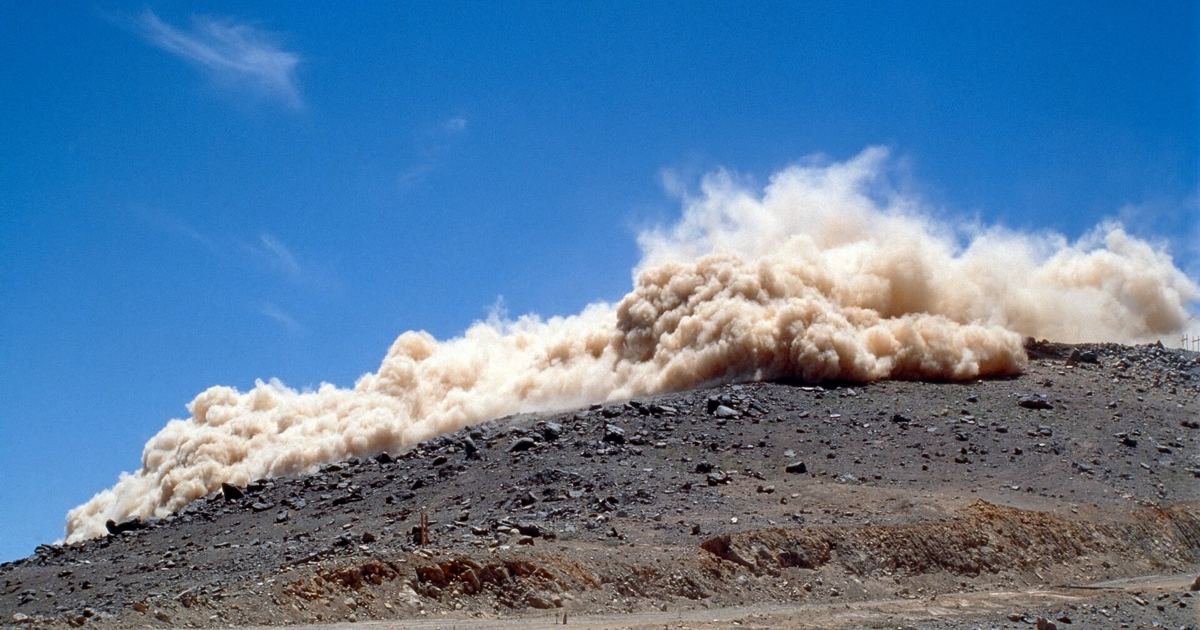 Safety Fuse vs Detonating Cord: OSHA Bidding Checklist
Review key rule differences between safety fuse and detonating cord under OSHA standards to price blasting labor, safety steps, and prep accurately.
Read article →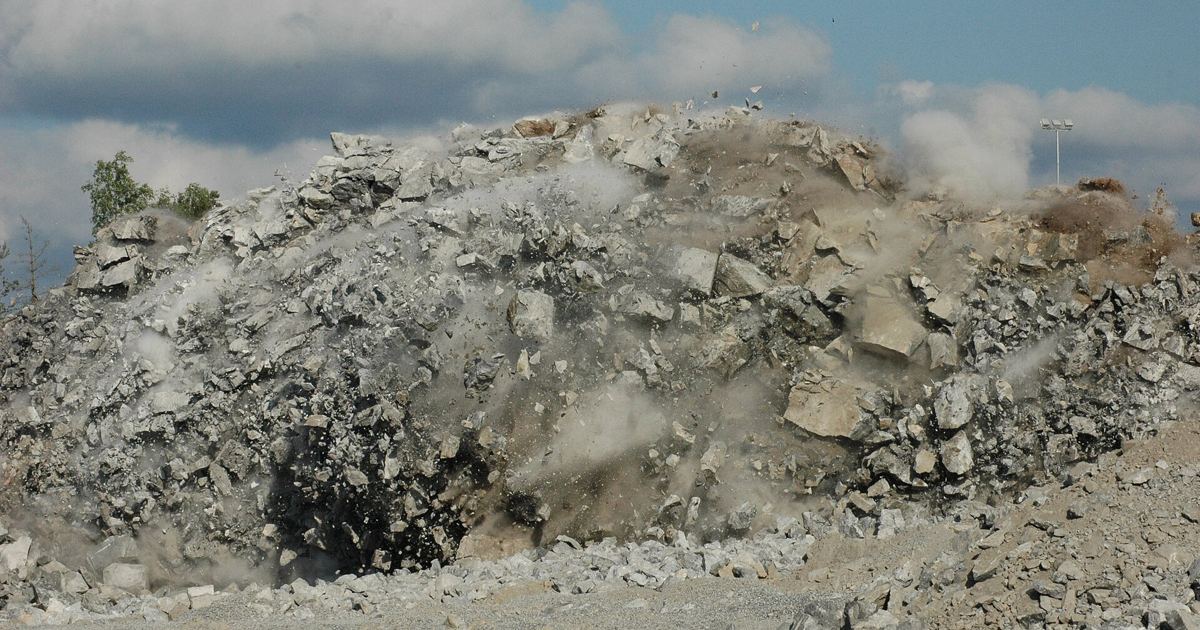 Loading Explosives and Blasting Agents: A GC Comparison Guide
Compare compliant versus unsafe explosive loading practices for blasting subcontractors under federal safety standards on construction sites.
Read article → Transporting Jobsite Explosives: 29 CFR 1926.902 and 1926.903
Walk through jobsite explosive transport compliance under 29 CFR 1926.902 and 1926.903, covering surface trucks, shaft hoists, and powder cars.
Read article → Electric Blasting Safety: 29 CFR 1926.906 Field Precautions
A quick-reference guide to 29 CFR 1926.906 electric blasting rules, covering extraneous current surveys, power line precautions, and underground gaps.
Read article → Is Your Job Construction Under OSHA 1926? Section 103 vs 107
Learn how OSHA 29 CFR 1926.11 and 1926.13 distinguish construction coverage under section 103 and section 107, from off-site work to customized fab…
Read article → Jobsite Laser Level Safety: Comparing 29 CFR 1926.54 Rules
Compare OSHA laser safety rules under 29 CFR 1926.54, including operator qualification, light exposure thresholds, warning placards, and weather li…
Read article → Reorganization Plan No. 14 of 1950: 29 CFR 1926.12 Guide
Learn which federal labor statutes are coordinated under Reorganization Plan No. 14 of 1950 and 29 CFR 1926.12 for construction contractors.
Read article → Ionizing Radiation Under 29 CFR 1926.53: Subcontractor Planning
Learn what 29 CFR 1926.53 requires when industrial radiography crews mobilize on a jobsite and how interior trade contractors must coordinate.
Read article →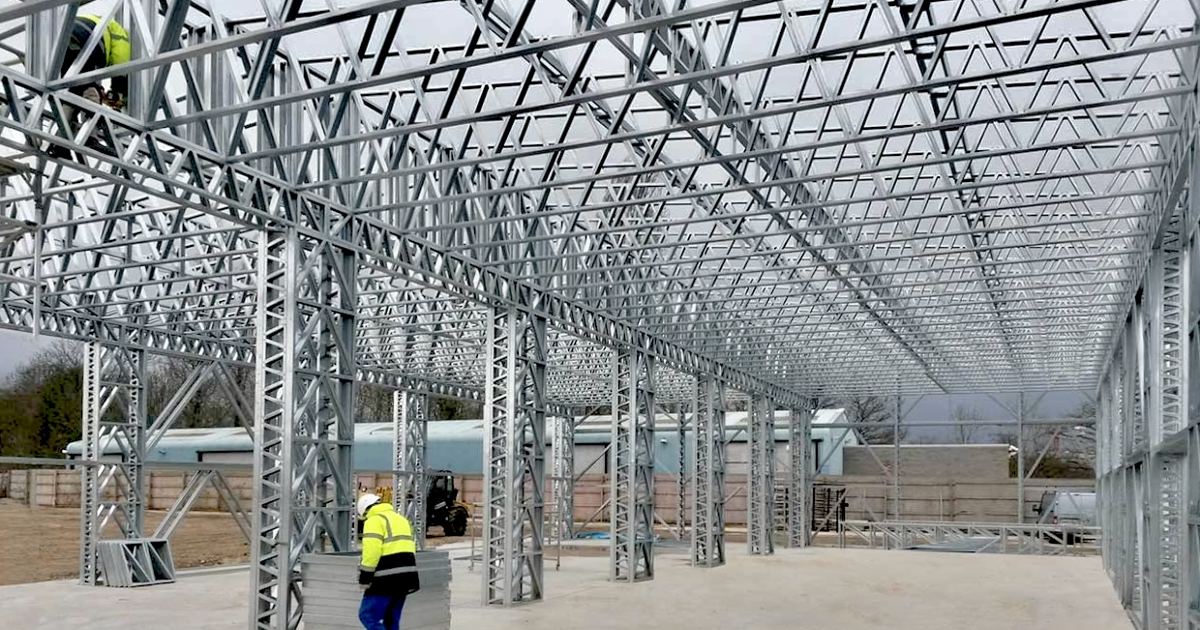 Steel Erection Scope and Key Definitions: 29 CFR 1926.750 and 1926.751
Understand OSHA steel erection scope under 29 CFR 1926.750 and key definitions in 1926.751 to price steel framing, metal decking, and subcontracts…
Read article →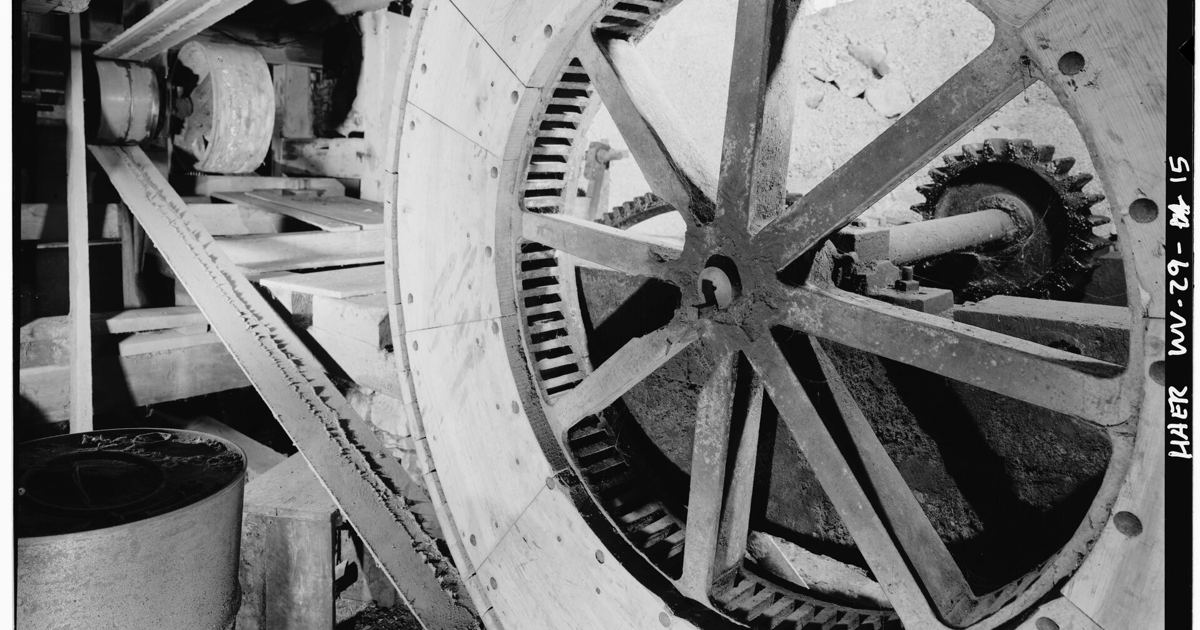 Mechanical Power-Transmission Guarding: What to Ask the GC
Review 29 CFR 1926.307 power-transmission guarding rules for belts, pulleys, and shafts on rented jobsite equipment with this contractor guide.
Read article → Bidding MDA Exposure Rules: OSHA 29 CFR 1926.60 Guide
Understand OSHA 29 CFR 1926.60 rules for methylenedianiline (MDA). Learn PELs, monitoring timelines, dermal triggers, and multi-employer jobsite ru…
Read article → OSHA Subpart K Applicability: Temporary Power and Installation Rules
Guide to OSHA Subpart K electrical rules under 29 CFR 1926.400 and 1926.402, covering temporary power installations and safety work practices.
Read article →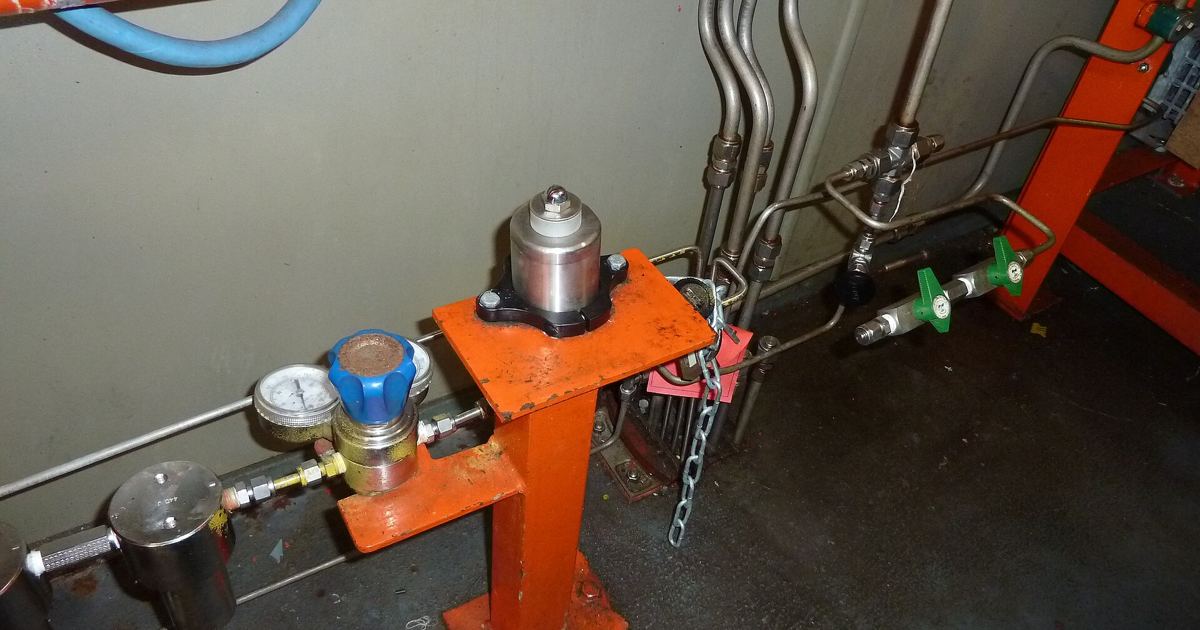 Pressure Vessel Certs and Ship Repair: 1926 Mistakes
Avoid costly jobsite delays by verifying pressure vessel certifications and shipyard rules under 29 CFR 1926.29 and 1926.30 before mobilizing.
Read article → Bidding Compressed Air Work: 29 CFR 1926.803 Mistakes
Avoid costly tunnel bidding errors under OSHA 29 CFR 1926.803 with rules on medical locks, licensed physicians, decompression shifts, and chamber s…
Read article → Fire Protection Definitions in 29 CFR 1926.155: Bid-Day Checklist
Review fire protection definitions under 29 CFR 1926.155 to price safety cans, portable tanks, and flammable liquid controls accurately on bid day.
Read article → 29 CFR 1926.449 Electrical Definitions: Estimator Checklist
Review key electrical definitions under 29 CFR 1926.449 with an estimator checklist covering approved equipment, accessible wiring, and hazardous l…
Read article → 29 CFR 1926.15 Walkthrough: Construction vs. Service Contracts
Walk through 29 CFR 1926.15 to classify federal bids across the Service Contract Act and Walsh-Healey Public Contracts Act rules.
Read article →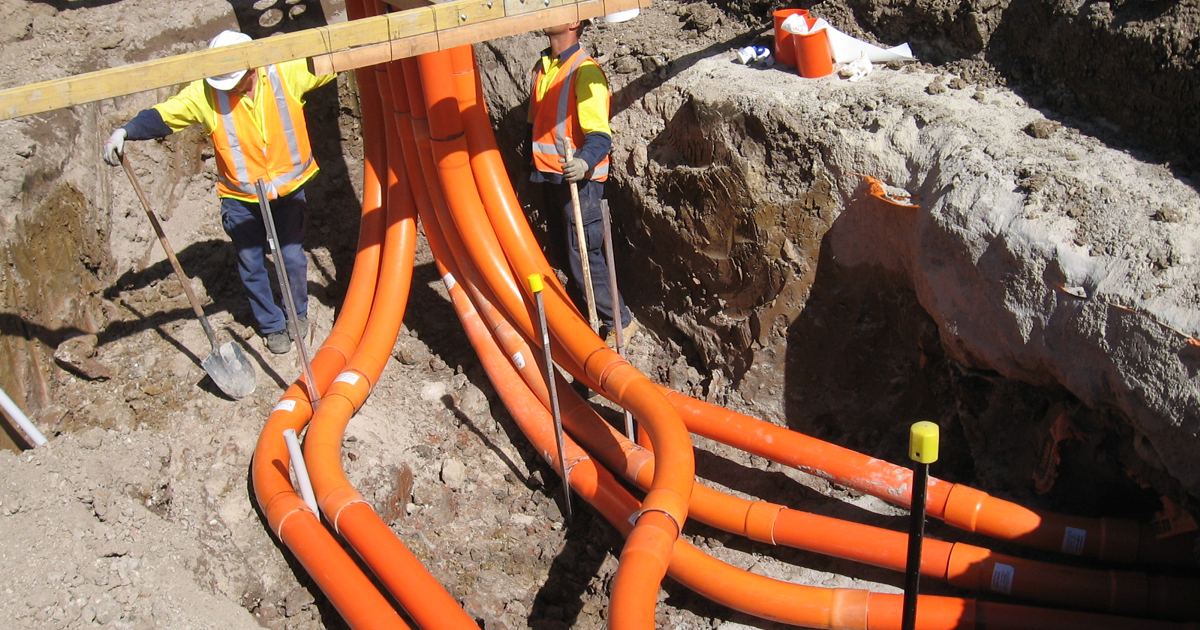 Bidding Special Electrical Over 600V: OSHA 1926.408 Q&A
Scope items, clearances, and equipment rules under OSHA 29 CFR 1926.408 for high-voltage and special electrical systems to verify with the GC.
Read article →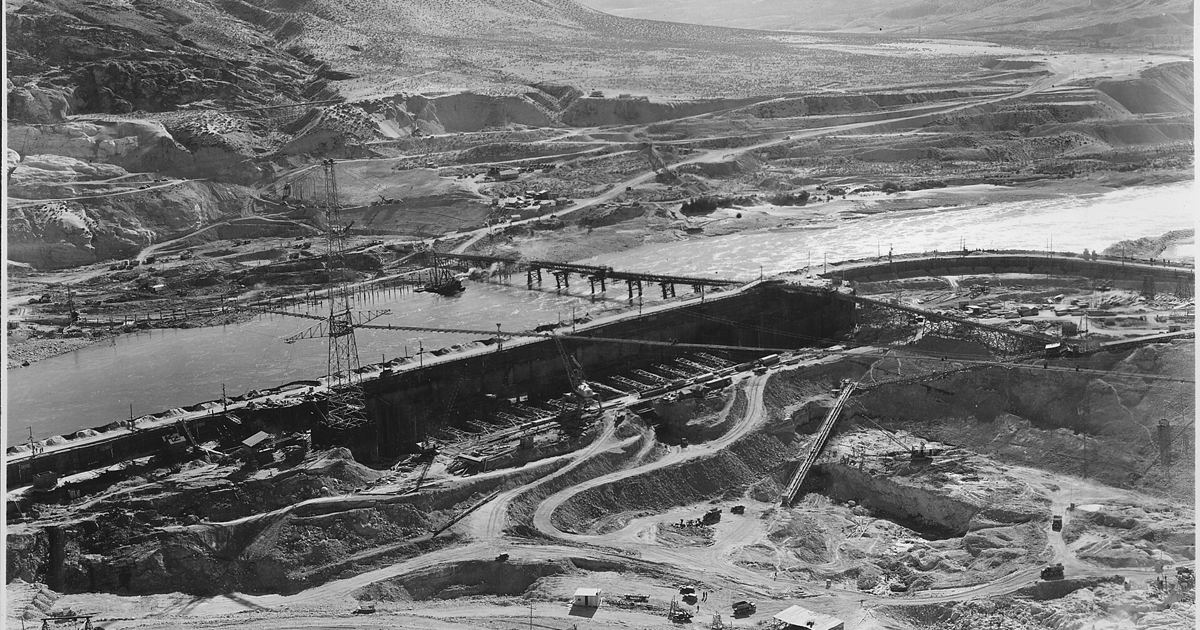 Bidding Caissons and Cofferdams Under OSHA Standards
Walk through OSHA requirements for caissons and cofferdams under 29 CFR 1926.801 and 1926.802 to build accurate foundation bids.
Read article → GAO Bid Protest Deadlines: The 10-Day Rule, the 100-Day Decision and the Automatic Stay
Federal bid protests at GAO run on tight clocks. Solicitation problems must be protested before bid opening, most other grounds within 10 days, GAO…
Read article → Made a Mistake in Your Federal Bid? When You Can Correct or Withdraw It (FAR 14.407)
In sealed bidding, FAR 14.407 sets when a bid mistake found after opening can be corrected or withdrawn, and what happens if it's discovered after…
Read article → Low Bidder but Found 'Nonresponsible'? How the SBA Certificate of Competency Works
When a contracting officer finds an apparent successful small business nonresponsible, FAR 19.6 requires referral to SBA for a possible Certificate…
Read article → Davis-Bacon FAQ: Prevailing Wage Checklist for Subcontractors
Answers to common prevailing wage questions for subcontractors, covering wage determinations, revision rules, and bidding checklist steps.
Read article → Davis-Bacon Bidding: What to Ask the GC About Wages and Apprentices
Learn the critical questions subcontractors must ask the GC regarding Davis-Bacon prevailing wages, fringe benefits, and apprentice rules.
Read article → SBA Size Standards for Federal Set-Asides: Estimator Checklist
Bid-day checklist on SBA size standards for construction estimators bidding federal set-asides, covering receipts, affiliation, and SAM rules.
Read article → Classifying Trade Crews Under FLSA: A Contractor Guide
Learn how the FLSA economic reality test determines whether construction crew workers are employees or independent contractors under federal regula…
Read article → FLSA Wage and Overtime Basics for Construction Crews
Understand FLSA minimum wage, overtime rules, hours worked, and recordkeeping requirements for construction crews and trade subcontractors.
Read article → Free OSHA On-Site Consultation for Small Contractors: Myths vs. Facts
Learn how OSHA's free, confidential On-Site Consultation Program works for small contractors, what it costs, and common industry myths.
Read article → NIOSH Construction Research: Biggest Jobsite Risks Walk-Through
Walk through a hypothetical subcontractor jobsite review using NIOSH construction research on falls, demographic risks, and worker health.
Read article → Form 941 Basics for Contractors: Quarterly Filing Walkthrough
A step-by-step walkthrough of IRS Form 941 quarterly payroll tax filing for construction contractors, covering Schedule B, liabilities, and schedules.
Read article → SAM.gov Entity Registration: Quick-Reference Guide for Contractors
A quick-reference guide to SAM.gov entity registration, Login.gov setup, Unique Entity IDs, and 365-day renewals for federal construction bidders.
Read article → LLC Basics for Contractors: IRS Classification Mistakes to Avoid
Learn how the IRS classifies construction LLCs, key default tax rules, Form 8832 deadlines, and single-member employment tax exceptions.
Read article → FEMA Hazard-Resistant Code Resources: A Contractor Comparison Guide
Compare FEMA hazard-resistant building code resources, including ASCE 24 flood standards, ASCE 7 wind load provisions, and ICC 500 safe room criteria.
Read article →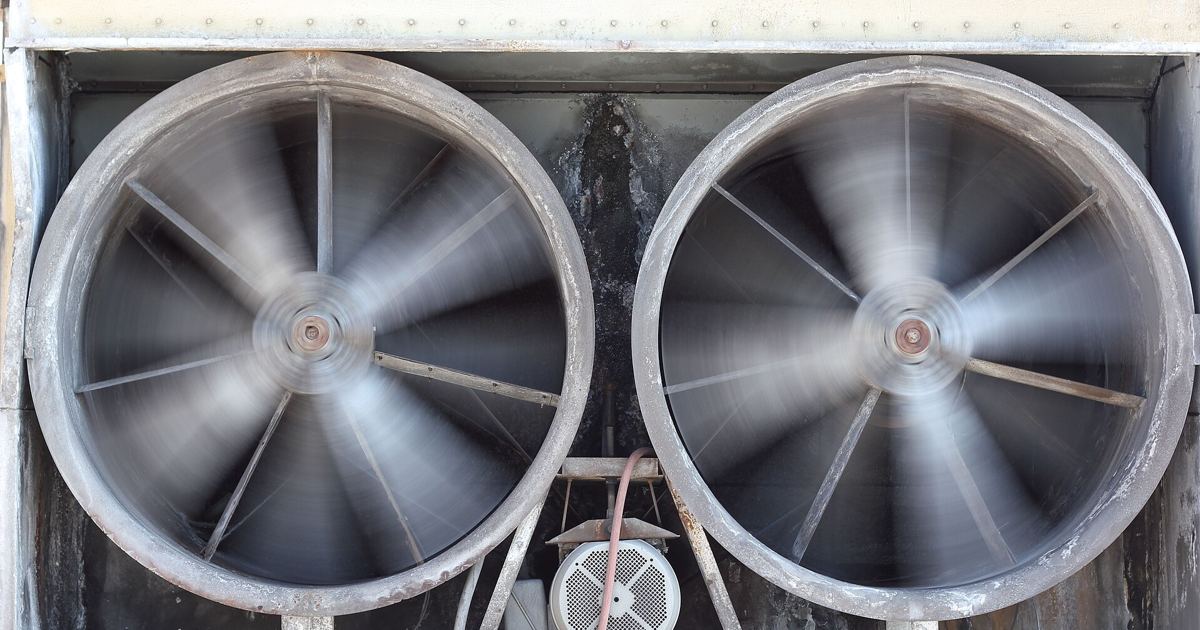 Indoor Air Quality Basics for Interiors Contractors and Estimators
Learn indoor air quality basics from EPA guidance, including indoor pollutant sources, ventilation mechanics, and short- and long-term health risks.
Read article → EPA RRP Lead-Safe Certification: Contractor Bid Checklist
Verify EPA RRP firm certification, paint testing thresholds, and lead-safe work practice requirements with this contractor bid-day checklist.
Read article →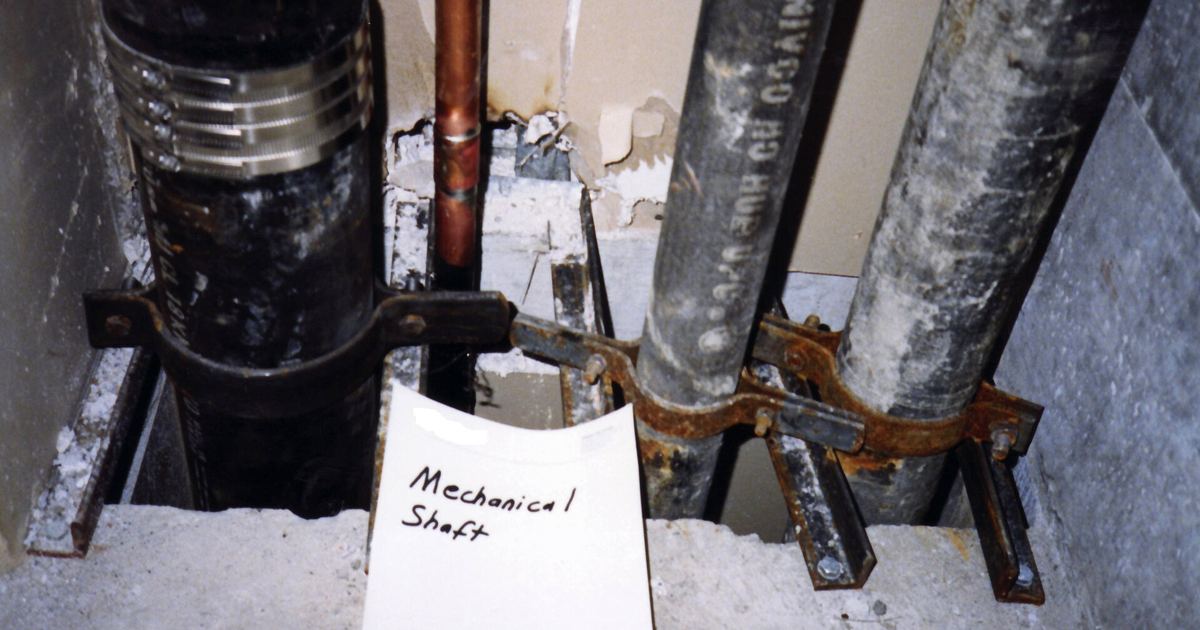 Moisture and Mold Guide for Drywall and Interior Contractors
Learn moisture and mold controls for interior contractors based on EPA guidelines, covering spore biology, drywall risks, and cleanup protocols.
Read article → Heavy and Civil Construction Bidding Mistakes: NAICS 237 BLS Data
Avoid costly heavy and civil engineering bidding errors with BLS NAICS 237 benchmarks for wage rates, overtime hours, and site staffing.
Read article →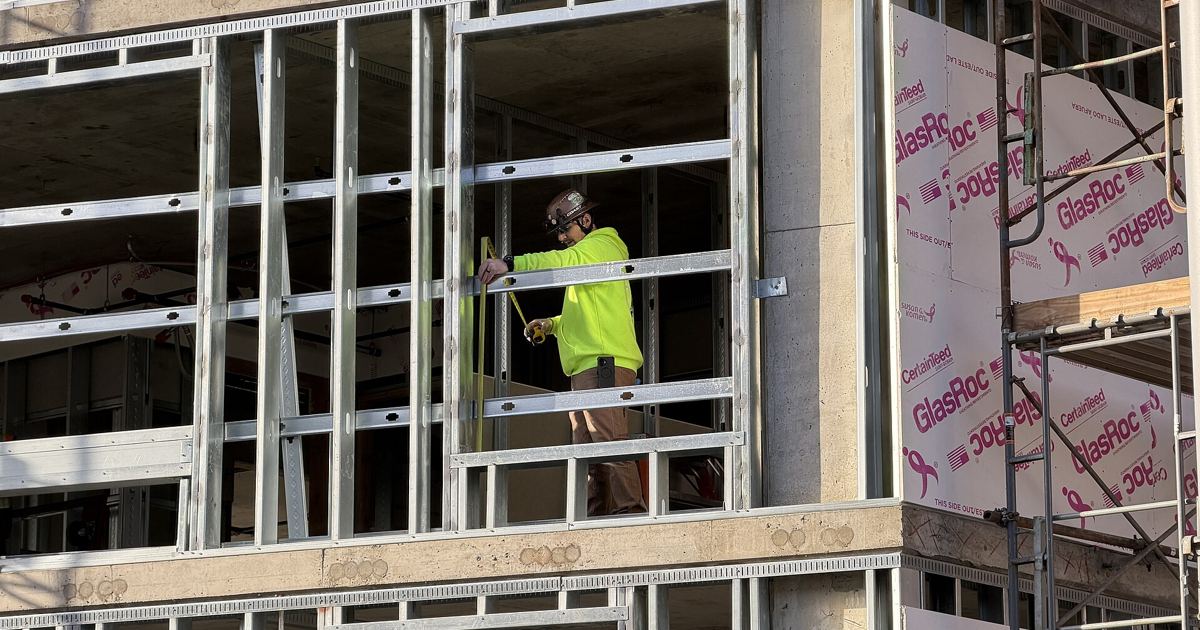 NAICS 238 Specialty Trade Contractor Data: BLS Wage Guide
Examine official BLS employment, weekly hours, and wage data for specialty trade contractors under NAICS 238 to build accurate trade bids.
Read article → IRS Steps for Hiring Your First Crew Member: Requirements Breakdown
Learn the key IRS requirements for hiring your first construction crew member, from Form I-9 verification to W-4 withholding and SSN rules.
Read article → BLS Workplace Injury Data: Contractor Comparison Guide
Compare nonfatal injury rates, DAFW vs DJTR lost work time, and jobsite hazard categories using the latest BLS occupational injury release.
Read article → Radon-Resistant New Construction: Estimator Bidding Checklist
Bid checklist for radon-resistant new construction techniques, covering sub-slab gravel, vapor retarders, PVC vent pipes, and sealing requirements.
Read article →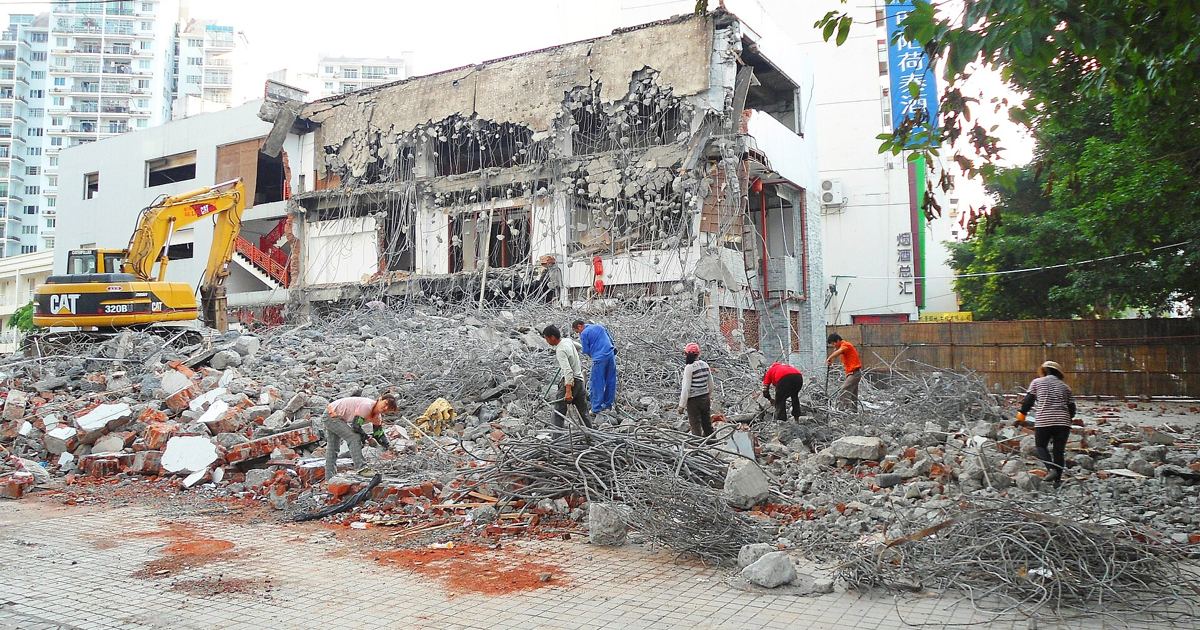 Bidding C&D Debris: Questions to Ask the GC to Cut Disposal Costs
Cut debris disposal costs in construction bids using EPA C&D data and targeted questions for the general contractor on site waste handling.
Read article → Construction Industry at a Glance: Estimating Myths vs. BLS Data
Explore BLS data on construction employment, wages, benefits, and injury rates to bust common bidding myths for trade estimators.
Read article → BLS Fatal Injury Data: Structuring Construction Safety Budgets
Examine how the BLS Census of Fatal Occupational Injuries informs contractor safety budgets, fall protection, and site logistics planning.
Read article → Contractor Employment Tax Deposits and Reporting: Myths vs. Facts
Examine IRS rules for depositing and reporting crew employment taxes, FUTA thresholds, electronic payment methods, and annual Form W-2 filing deadl…
Read article → Analyzing NAICS 236 Building Construction: BLS Guide for GCs
A step-by-step walkthrough of BLS NAICS 236 data, covering building contractor wages, staffing counts, establishment figures, and safety benchmarks.
Read article → Using the Census Building Permits Survey to Track Work Pipeline
A quick-reference guide to reading U.S. Census Building Permits Survey data, tracking residential permits by county and place, and timing bid plann…
Read article → Ergonomics Checklist for Drywall and Ceiling Crews: OSHA Guidance
An OSHA-aligned ergonomics checklist for drywall, ceiling, and material handling crews to identify hazards, report symptoms, and curb strain injuries.
Read article → Winter Weather Planning for Bids: OSHA Hazards and Controls
Plan for winter weather hazards in construction bids using OSHA controls for snow, ice, cold stress, elevated surfaces, and storm response.
Read article → Forklift Safety and Operator Training: Q&A Guide
Learn OSHA powered industrial truck operator rules, age limits under federal law, training evaluation, and incident risks in this contractor Q&A.
Read article → OSHA Construction Noise Exposure: Estimator Bid Checklist
Review OSHA construction noise rules, 90 dBA exposure thresholds, hearing conservation requirements, and bid-day jobsite controls for contractors.
Read article → Highway Work Zone Safety: Questions to Ask the GC Before Bidding
Learn the work zone traffic-control and safety questions estimators must ask the GC under OSHA 1926 Subpart G and DOT MUTCD requirements.
Read article → Respiratory Protection Programs: What OSHA Expects on Job Sites
Learn what OSHA expects in a construction respiratory protection program, including respirator classes, fit testing, seal checks, and medical reviews.
Read article →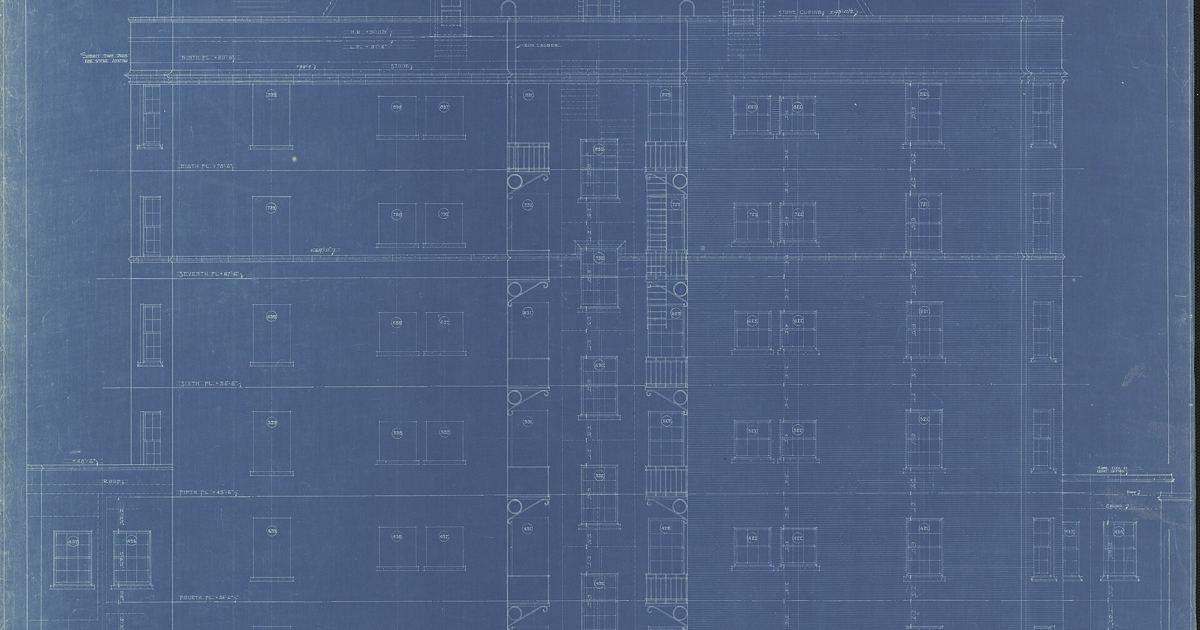 FAR 52.236-23: Architect-Engineer Responsibility for Bidders
How FAR 52.236-23 governs architect-engineer liability, drawing errors, and coordination on federal construction bids.
Read article → Federal Site Visits: A Contractor Guide to FAR 52.236-27
Learn how federal site visits work under FAR 52.236-27, how to schedule inspections during normal duty hours, and what Alternate I requires.
Read article → Federal Bid-Day Checklist: Cleanup and Utility Costs Under FAR
Review key cleanup and utility costs under FAR 52.236-12 and FAR 52.236-14 on federal construction bids before finalizing your estimate.
Read article → FAR 22.406-6 Certified Payroll Mistakes on Federal Bids
Learn certified payroll rules under FAR 22.406-6 and avoid costly administrative mistakes when pricing federal construction projects.
Read article → FAR 32.103 Progress Payments: A Federal Retainage Walkthrough
Learn how FAR 32.103 governs progress payment retainage on federal construction projects and how contracting officers evaluate satisfactory progress.
Read article → Bidding Federal Work Under FAR 52.236-28 and FAR 52.236-19
Learn how FAR 52.236-28 and FAR 52.236-19 govern federal construction proposal formatting, pricing structures, and jobsite management rules.
Read article → FAR 52.248-3 Value Engineering: Federal Savings Comparison
Compare fixed-price and cost-reimbursement sharing rates, collateral savings rules, and subcontract thresholds under federal FAR 52.248-3.
Read article → FAR 52.236-22 Common Mistakes: Design Within Funding Limitations
Avoid common mistakes under FAR 52.236-22 Design Within Funding Limitations when pricing federal work and preparing bids.
Read article →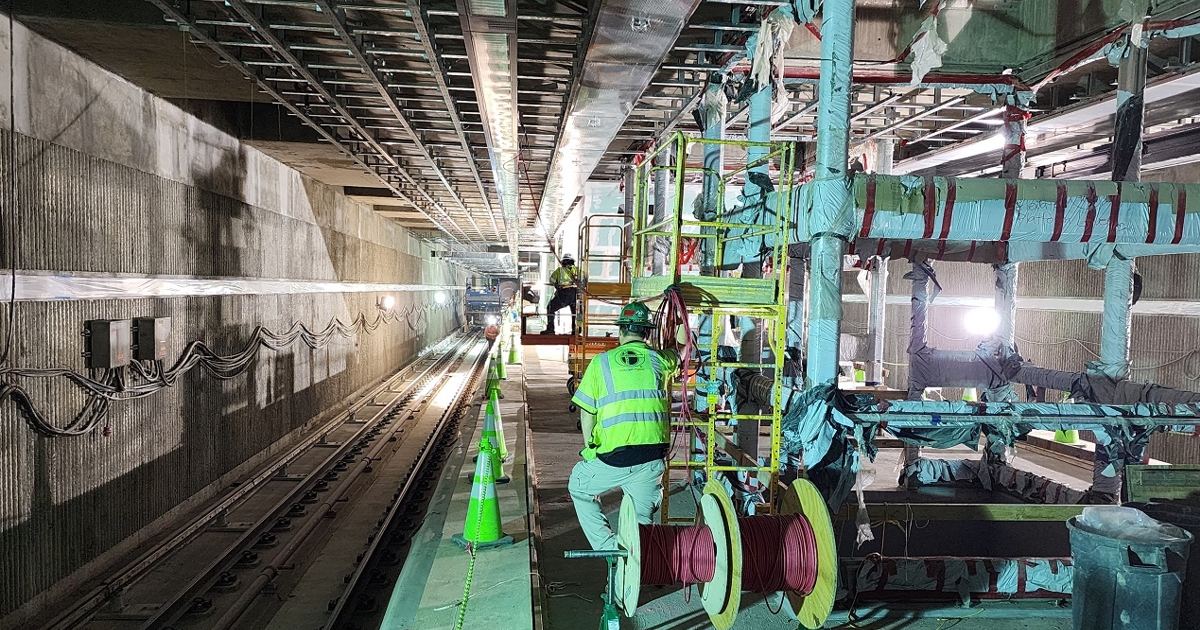 FAR 52.222-11 Labor Standards Flow-Down: Contractor Q&A Guide
Understand FAR 52.222-11 labor standards flow-down rules, mandatory subcontract clauses, SF 1413 deadlines, and prime contractor liability.
Read article →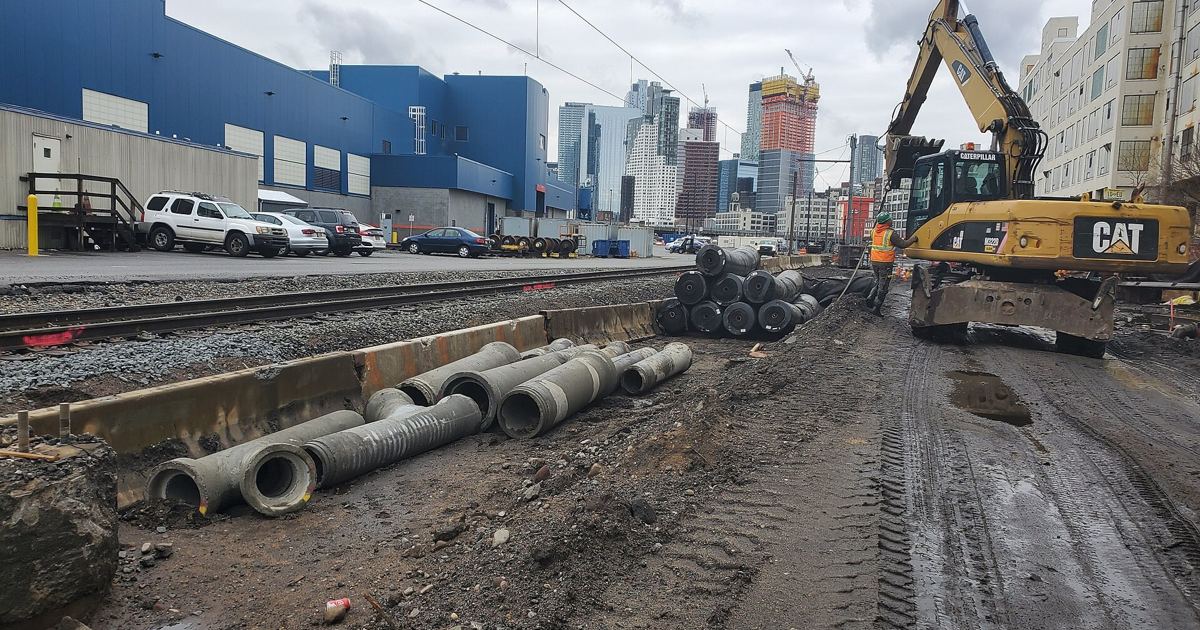 Pricing FAR 52.236-8 and 52.236-10 on Federal Jobsites
A quick-reference guide to FAR 52.236-8 and FAR 52.236-10 covering shared federal jobsite coordination, material storage, temporary structures, and…
Read article → FAR 52.236-16 Quantity Surveys: Estimator Checklist for Federal Bids
Learn how FAR 52.236-16 governs quantity surveys, field records, and progress payments on unit-priced federal construction contracts.
Read article → FAR 52.236-17 Layout of Work: What to Ask the GC
Learn what to ask the GC about FAR 52.236-17 Layout of Work, base lines, bench marks, equipment expenses, and liability for damaged site stakes.
Read article →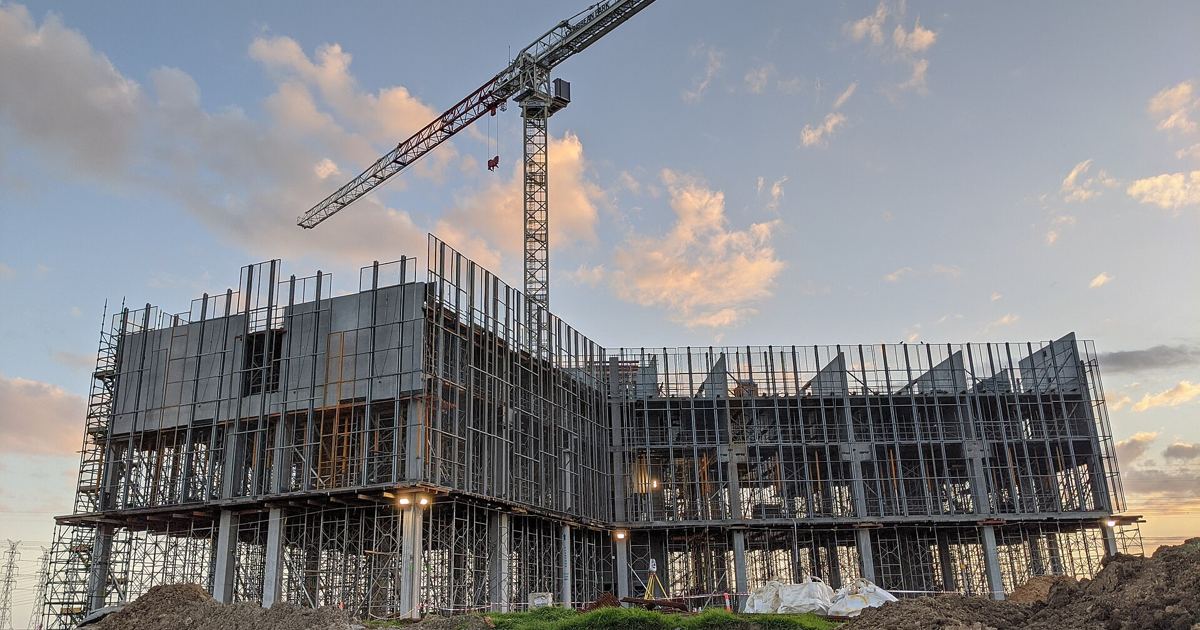 FAR 52.211-18: Estimating Federal Unit-Price Overruns & Underruns
Learn how FAR 52.211-18 regulates unit-price variations, the 15 percent threshold, equitable adjustments, and the 10 days notice rule for time exte…
Read article → FAR 52.211-13 and FAR 52.242-14: Key Bidding Requirements
Learn the key requirements of FAR 52.211-13 and FAR 52.242-14 covering time extensions, government delays, cost adjustments, and the 20-day notice…
Read article →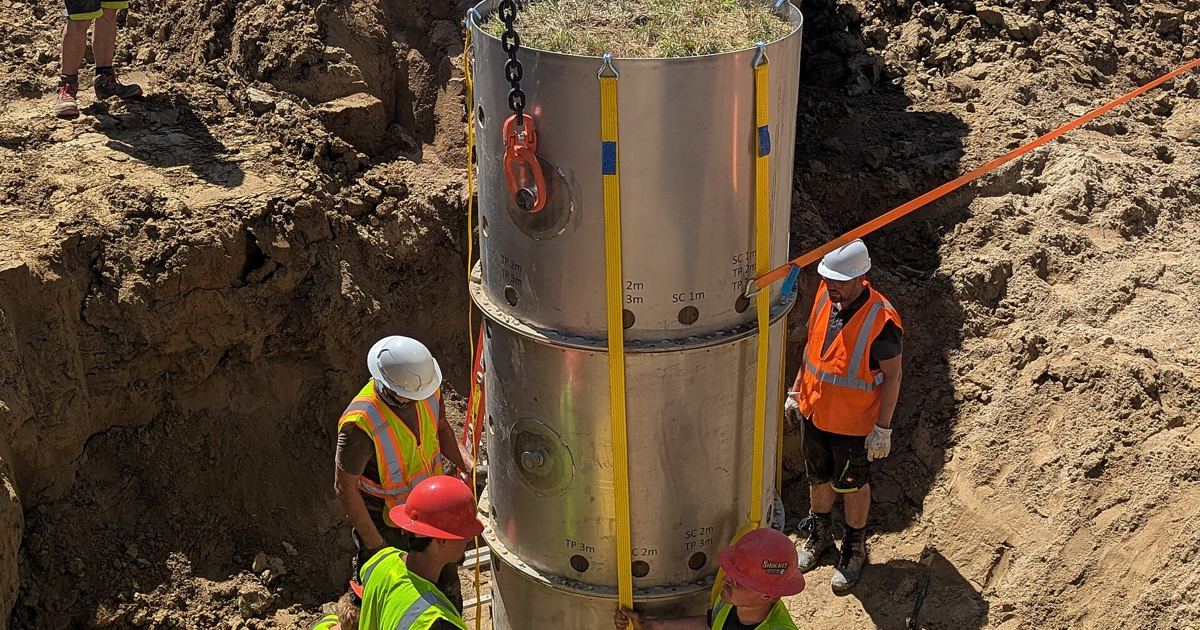 FAR 52.236-4 Physical Data: Solicitations Comparison Guide
Compare physical data categories in federal solicitations under FAR 52.236-4. Learn what government data disclosures mean for contractors and bids.
Read article → Wage Rate Requirements and Fund Withholding in Federal Bids
Learn how FAR 22.403-1 and FAR 52.222-7 impact federal construction estimates, labor compliance, and cross-contract payment withholding risks.
Read article → FAR 52.228-11 Individual Surety Pledge of Assets: Bidding Q&A
Learn what security is required under FAR 52.228-11, how individual surety assets are pledged, and how subcontractors file claims.
Read article → Bidding Under FAR 52.228-13: Payment Protections Checklist
A checklist for contractors bidding federal jobs with FAR 52.228-13 alternative payment protections, 100 percent coverage, and escrow rules.
Read article → FAR 22.404-1 Wage Determinations: General vs. Project Rates
Understand the differences between general and project wage determinations under FAR 22.404-1 when pricing federal construction bids.
Read article → FAR 52.228-14 Irrevocable Letters of Credit: Myths vs. Facts
Understand FAR 52.228-14 rules for irrevocable letters of credit as federal bid or bond security. Learn bank rating thresholds and expiration rules.
Read article → Federal Preconstruction Orientation: Myths vs. Facts for Bidders
Learn the myths and facts surrounding FAR 36.201 performance evaluations and FAR 36.212 preconstruction orientation before pricing federal work.
Read article → Federal Notice of Award and Price Negotiation Mistakes
Avoid costly mistakes under FAR 36.213-4 and FAR 36.214 when receiving award notices and negotiating federal construction prices.
Read article →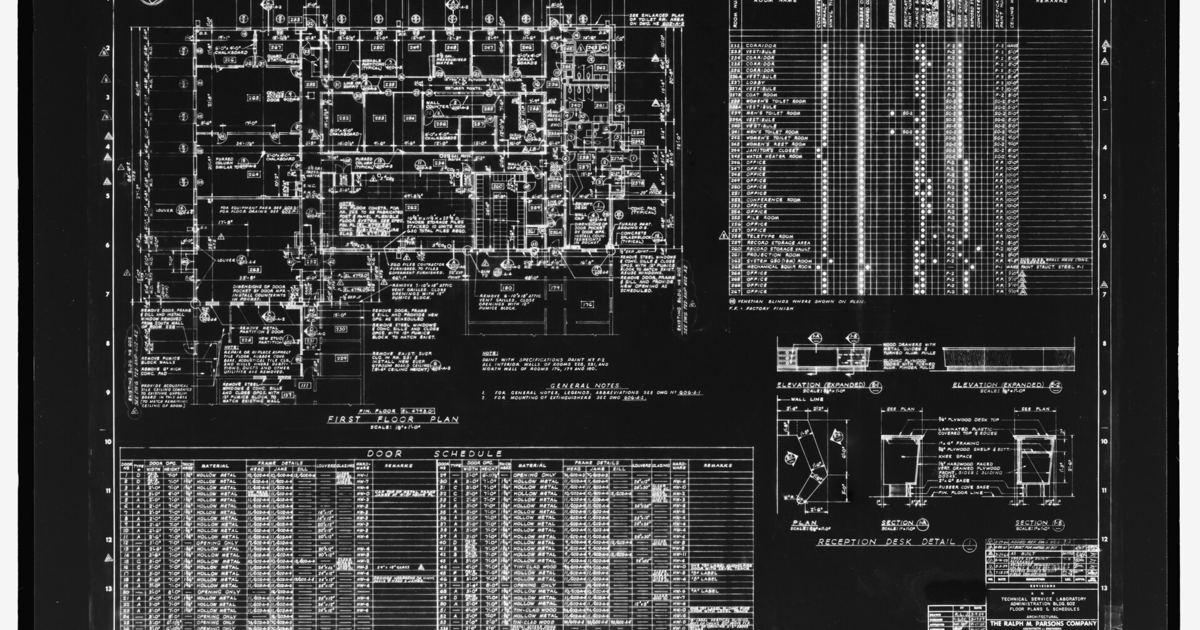 FAR 36.211 Checklist: How Federal Solicitations Impact Your Bid
Learn how federal agencies distribute construction notices under FAR 36.211 and disclose past change order definitization timelines.
Read article → Federal Construction IFB Requirements: A FAR 36.213-3 Walkthrough
Learn what contracting officers must include in a federal construction invitation for bids under FAR 36.213-3 before pricing work.
Read article → FAR 36.205 Cost Limitations: What to Ask Your Prime GC
Learn what subcontractors and small GCs must ask primes regarding statutory cost limitations, separate schedules, and unbalanced bids under FAR 36…
Read article → Miller Act FAR 28.102-1 Checklist: Federal Bonding for Bidders
Federal construction bond checklist under FAR 28.102-1. Learn threshold rules and payment protections for contracts over $35,000 and $150,000.
Read article →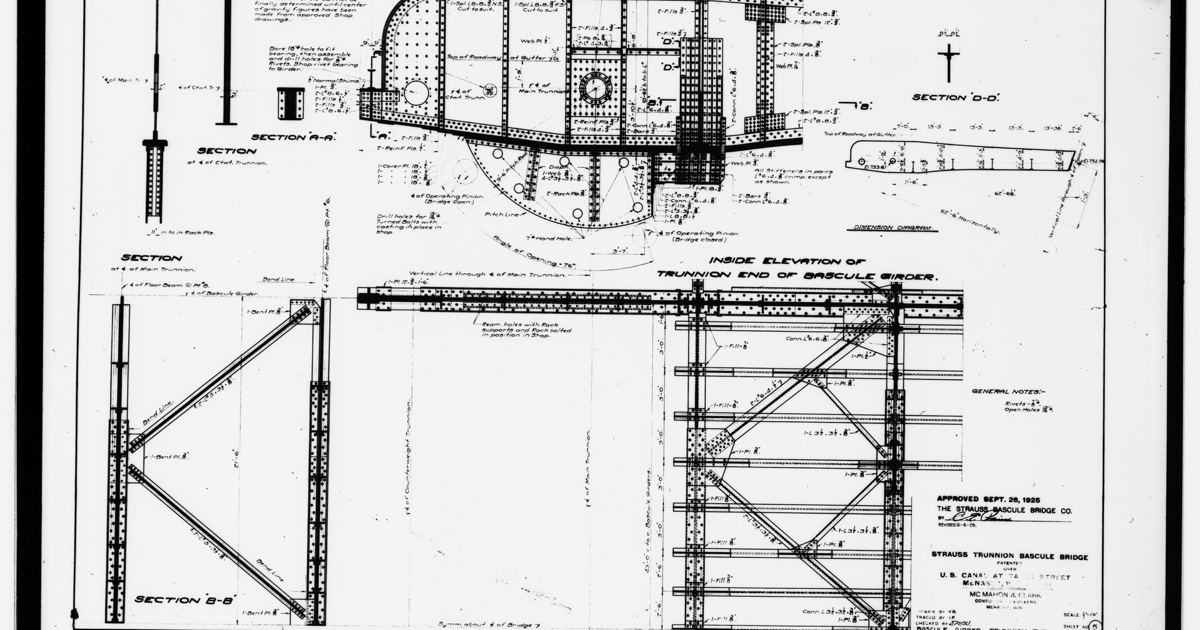 Two-Phase Design-Build Under FAR 36.301 and Phase Two Proposals
Learn when federal agencies use two-phase design-build under FAR 36.301 and how technical and price proposals work under FAR 36.303-2.
Read article → Federal Bond Sizing Under FAR 28.102-2: What to Ask the GC
Learn how penal sums are calculated under FAR 28.102-2 and the exact bonding questions trade contractors should ask the GC before bidding federal j…
Read article → FAR 36.203 and 36.204 Checklist: Government Estimates and Magnitude
A bid-day checklist on FAR 36.203 and FAR 36.204 covering independent government estimates, disclosure rules, and statutory price ranges for federa…
Read article → FAR 36.208 and 36.209: Rules on Concurrent Work and A-E Firms
Learn how FAR 36.208 and FAR 36.209 govern concurrent contract types and restrict architect-engineer firms from construction awards on federal jobs.
Read article → FAR 36.213: Construction Sealed Bidding and Notices
Understand FAR 36.213-1 sealed bidding and FAR 36.213-2 presolicitation notice requirements for federal construction projects.
Read article → FAR 36.303-1: Two-Phase Design-Build Phase One Guide
Compare FAR 36.303-1 Phase One design-build rules against full-price bidding, covering qualifications, price exclusions, and the five-offeror cap.
Read article → FAR 36.501 Performance of Work: Quick-Reference Guide
Quick-reference guide to FAR 36.501 self-performance rules, the 12 percent baseline, and fixed-price contract thresholds for estimators.
Read article → Individual Sureties and FAR 52.228-2: Guide for Small Bidders
Learn how FAR 28.203 and FAR 52.228-2 impact bond security, contract price increases, and letter of credit rules on federal construction work.
Read article → Bidding Federal Construction: FAR 36.206 and FAR 36.207 Guide
Learn how federal contracting officers evaluate liquidated damages and select lump-sum versus unit pricing under FAR 36.206 and FAR 36.207.
Read article → FAR 36.104 Contracting Policy: Federal Signals for Bidders
Understand FAR 36.104 policy rules: two-phase design-build, the 25,000 sq ft green threshold, 50 percent waste diversion, and $35 million PLA mandate.
Read article →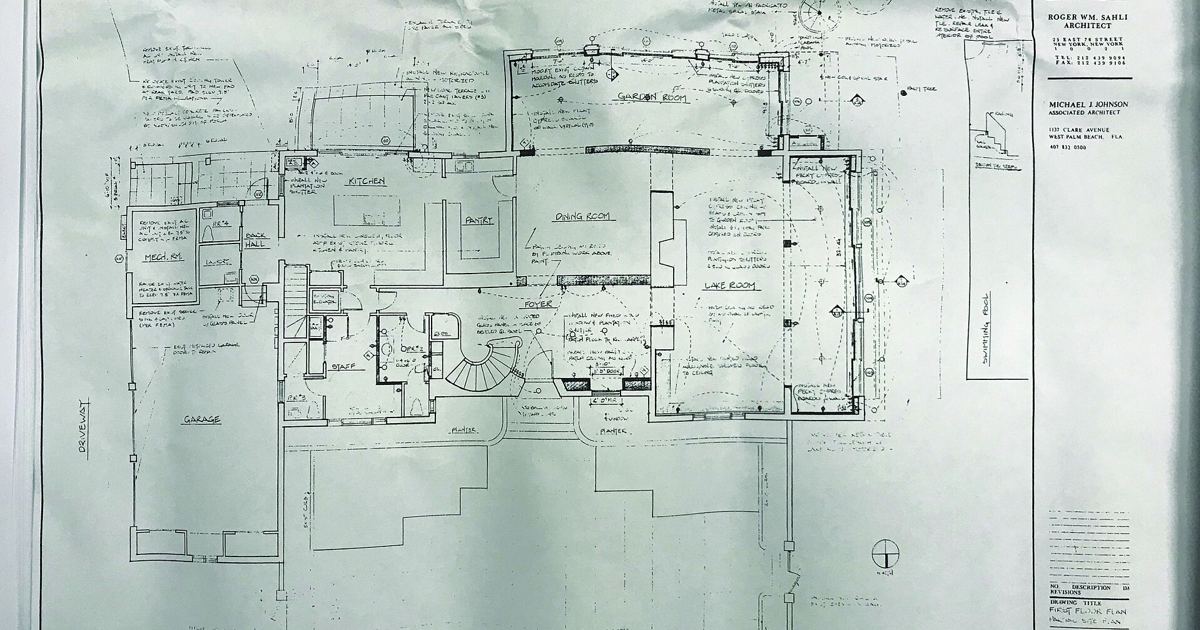 FAR 36.102 Construction Definitions: Guide for Trade Subs
Compare FAR 36.102 definitions including design-build, design-bid-build, record drawings, and two-phase selection procedures for federal bidding.
Read article → FAR 36.101 and 36.103: Federal Rules and Procurement Methods
Learn how FAR 36.101 and 36.103 govern federal construction applicability, order of precedence, and sealed bidding versus negotiation.
Read article → Signal Person Qualifications: § 1926.1428 Key Requirements
Understand signal person qualification rules under § 1926.1428, including third-party vs. employer evaluator options, testing, and documentation.
Read article →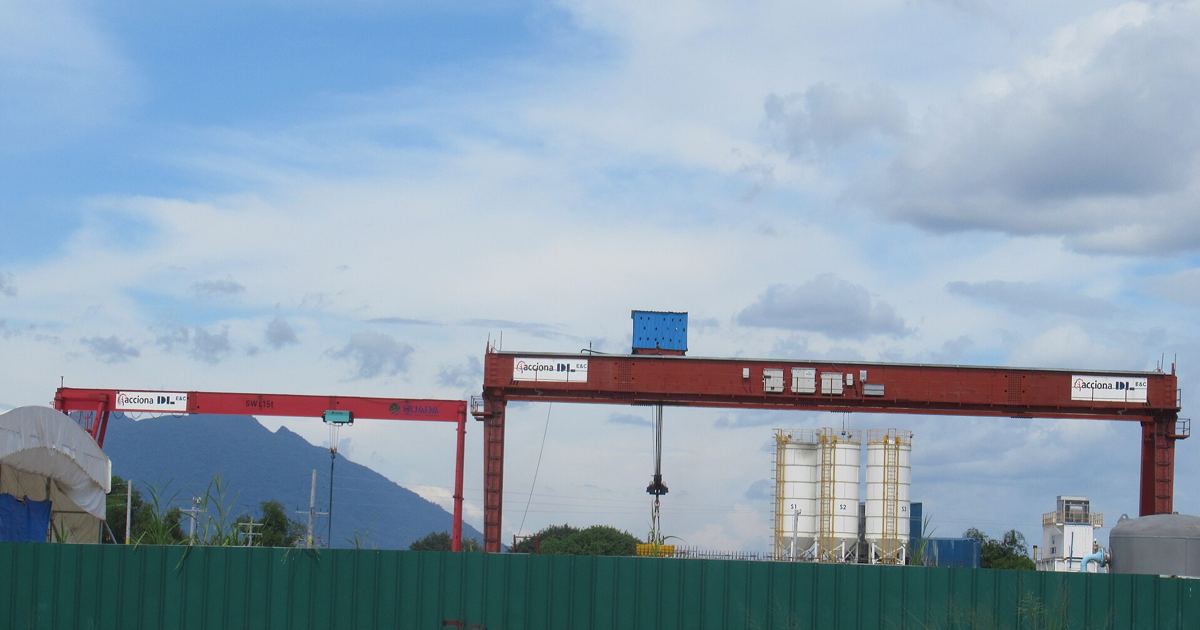 Overhead and Gantry Crane Mistakes Under OSHA 29 CFR 1926.1438
Avoid common compliance mistakes under 29 CFR 1926.1438 for overhead and gantry cranes used in construction.
Read article → OSHA Crane Operation Rules: § 1926.1417 Q&A for Bidders
Learn OSHA crane operation rules under § 1926.1417, including capacity checks, brake tests, travel rules, and suspended load restrictions.
Read article → Working Near Power Lines: Section 1926.1410 Safety Explainer
Understand OSHA Section 1926.1410 and Section 1926.1411 rules for crane operations inside Table A zones and traveling near power lines.
Read article → Confined Space Definitions: Controlling, Host, and Entry Employers
Learn OSHA Section 1926.1202 confined space definitions, covering controlling contractors, host employers, entry employers, and permit space requir…
Read article →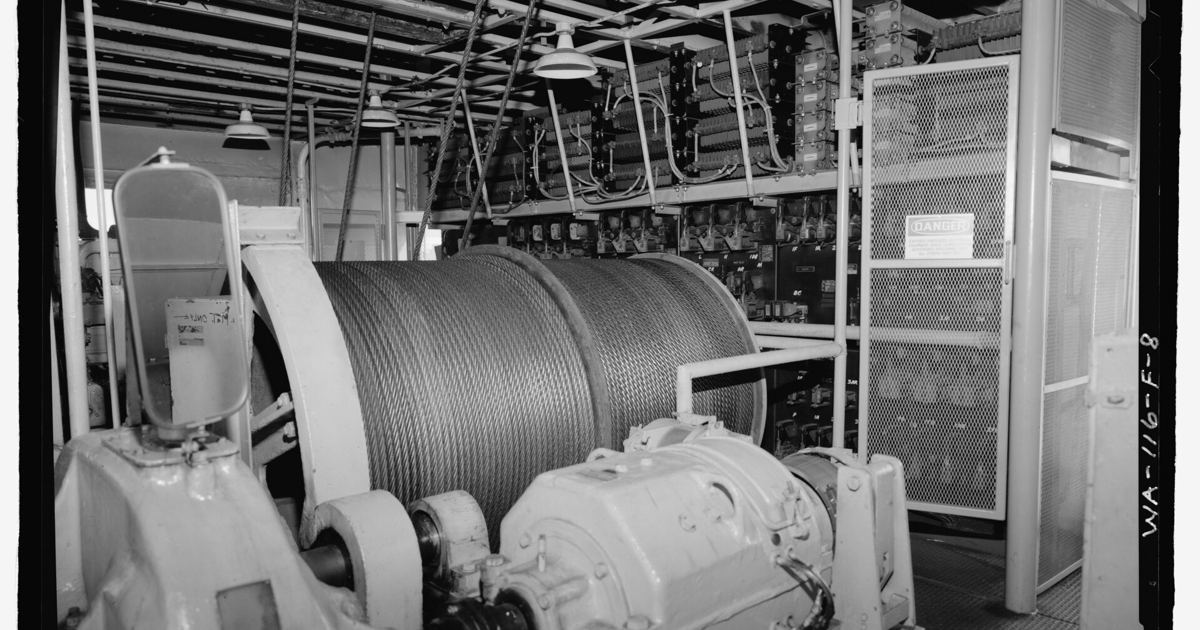 Crane Wire Rope Inspection Checklist: Section 1926.1413 for Bidders
Review crane wire rope inspection items under Section 1926.1413, covering shift reviews, monthly tracking, and annual comprehensive checks for bids.
Read article →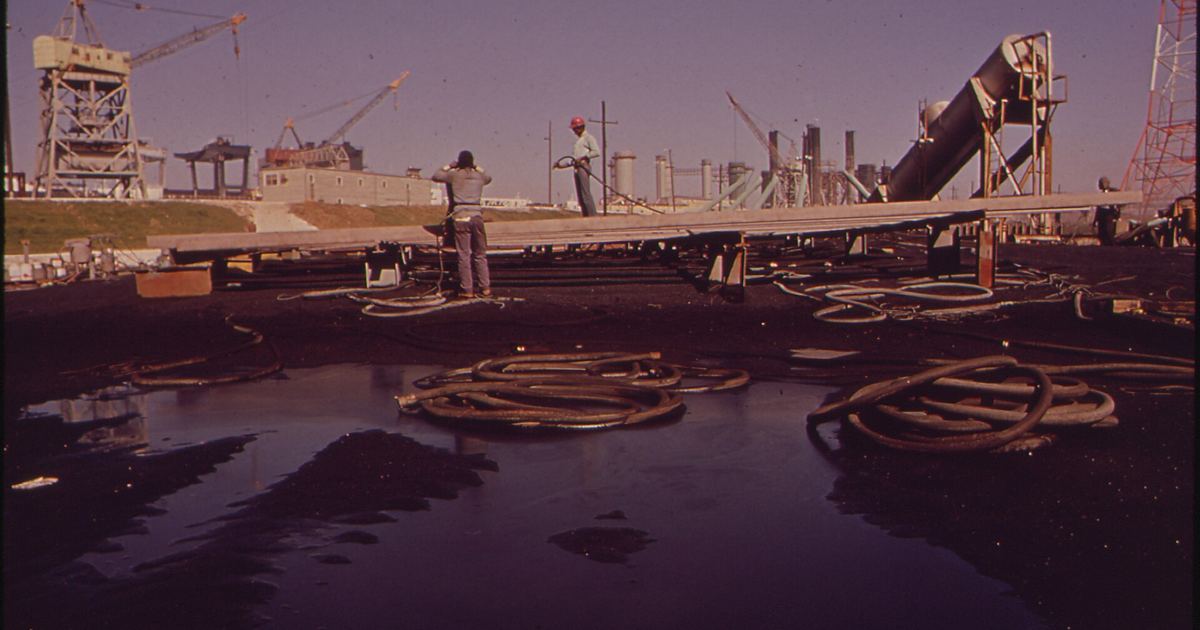 Beryllium in Construction: 29 CFR 1926.1124 Guide
Learn what OSHA 29 CFR 1926.1124 requires when abrasive blasting with slag, including air monitoring, competent persons, and exposure control plans.
Read article → Bidding Confined Space Attendants and Entry Supervisors
Avoid common bidding and staffing mistakes for construction confined space attendants and entry supervisors under OSHA standards.
Read article → Bidding Confined Space Permits and Training: § 1926.1206 and § 1926.1207
A step-by-step contractor guide to budgeting entry permits and required safety training under OSHA Section 1926.1206 and Section 1926.1207.
Read article → Crane Assembly and Disassembly: OSHA Rules and Schedule Steps
Learn OSHA 29 CFR 1926.1403 and 1926.1404 rules for crane assembly and disassembly, A/D director duties, outrigger setup, and jobsite scheduling.
Read article → Crane Assembly Near Power Lines: Section 1926.1407 Options
Compare Option 1, Option 2, and Option 3 for crane assembly near power lines under Section 1926.1407, including required clearance rules and safegu…
Read article → Crane Fall Protection Checklist: Section 1926.1423 Guide
Checklist for crane fall protection under Section 1926.1423, covering 6-foot and 15-foot rules, boom walkways, anchorages, and worker training.
Read article → Crane Safety Devices & Operational Aids: What to Ask the GC
A subcontractor guide to 29 CFR 1926.1415 safety devices and 1926.1416 operational aids. Know what must work before crane picks begin.
Read article → Crane Signal Requirements: Section 1926.1419 Explainer
Learn crane signaling rules under Section 1926.1419, including hand, voice, and radio signals, operator perspective, and safety stop requirements.
Read article → Crane Training Requirements: Section 1926.1430 Walkthrough
Review the mandatory training steps under OSHA Section 1926.1430 for crane operators, signal persons, spotters, and crews working near pinch points.
Read article → Power Line Safety Guide: Briefings, First Aid, and Ladder Rules
A field guide to electrical line safety covering first-aid response, crew job briefings, and ladder standards near energized equipment.
Read article → 29 CFR 1926.1050 Definitions: Stairways and Ladders on Site
Review OSHA 29 CFR 1926.1050 stairway and ladder definitions, including job-made ladders, step stools, and unprotected side dimensions.
Read article →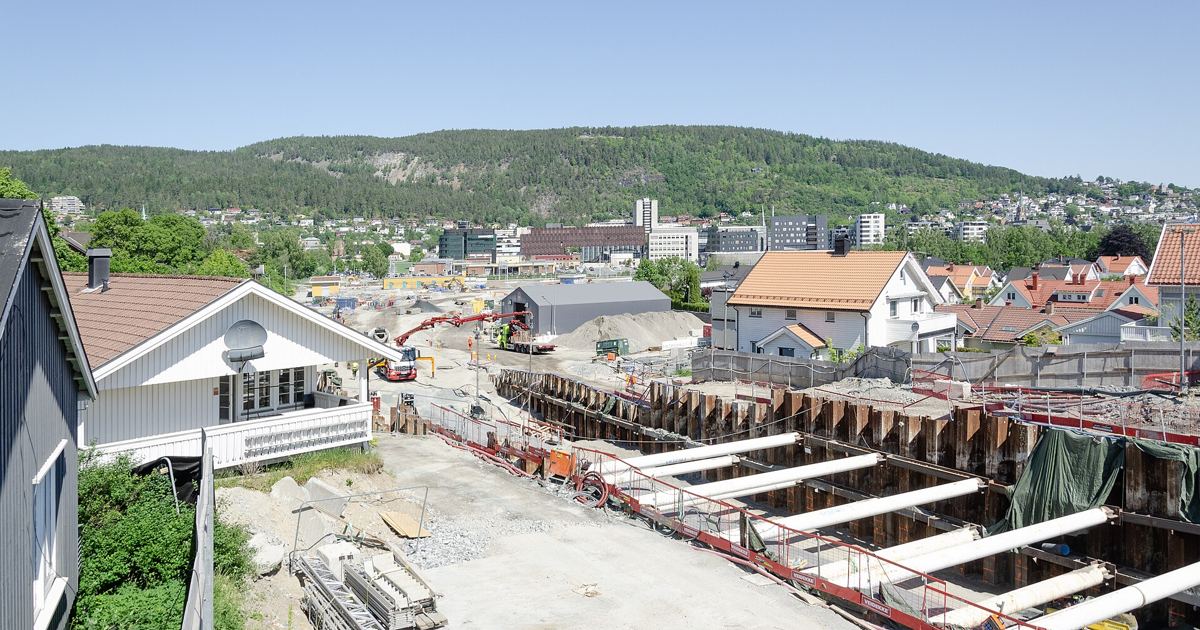 Pricing Underground Construction Under OSHA 29 CFR 1926.800
Walk through estimating underground construction under 29 CFR 1926.800, covering air monitoring, rescue teams, ventilation, and gassy operation rules.
Read article → Comparing HAZWOPER Scopes: 29 CFR 1926.65 Bid Guide
Compare HAZWOPER scopes under 29 CFR 1926.65, including cleanup sites, TSD facilities, emergency response, site plans, and bidding costs.
Read article → Scaffold Definitions in OSHA § 1926.450 for Drywall Estimators
Learn how OSHA § 1926.450 scaffold definitions impact drywall, framing, and ceiling estimates, from large area platforms to open side clearance rules.
Read article → Estimating Lift-Slab Work: A 29 CFR 1926.705 Bid Walkthrough
Step-by-step estimator and scheduler guide to OSHA 29 CFR 1926.705 lift-slab construction rules, equipment limits, and crew clearances.
Read article → Bidding Near Blasting: 29 CFR 1926.900 Bid-Day Checklist
A bid-day checklist for contractors working near explosives under OSHA 29 CFR 1926.900, covering radio clearances, blasting mats, and safety protoc…
Read article →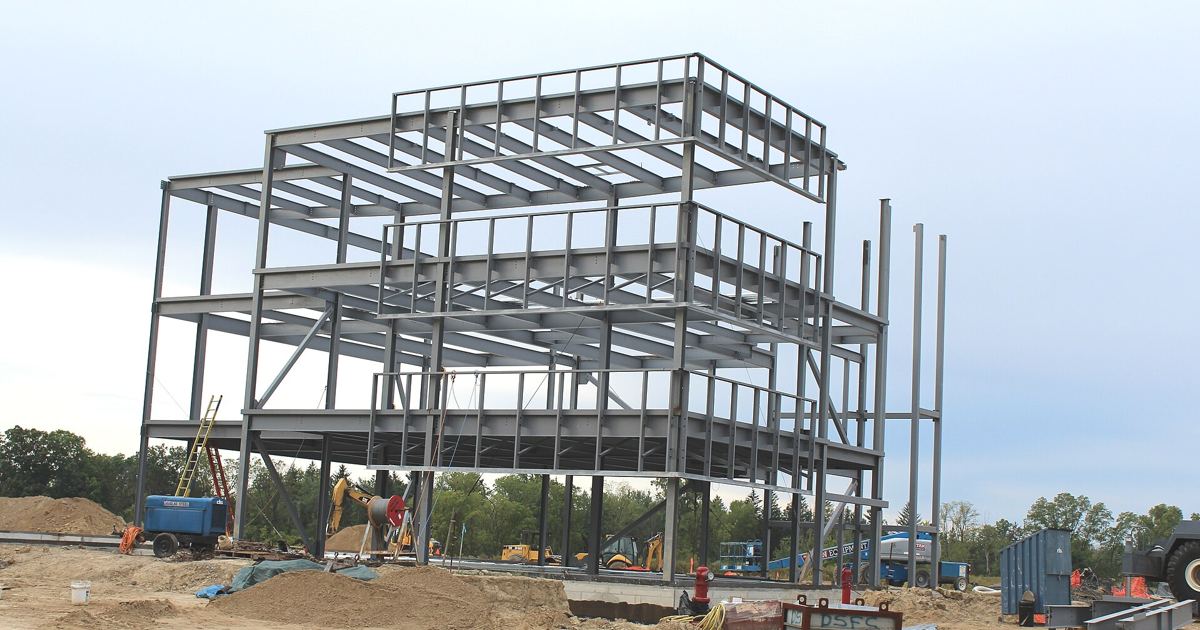 OSHA 29 CFR 1926.16: Shared Prime and Subcontractor Duties
Understand OSHA 29 CFR 1926.16 rules of construction. Learn how prime contractors and subcontractors share jobsite safety duties and enforcement.
Read article → Bidding Column Anchorage and Metal Building Safety Rules
Avoid costly estimating mistakes under federal steel standards for column anchorage, field modifications, and systems-engineered metal buildings.
Read article → OSHA Variances and Jobsite Inspections: 29 CFR 1926.2 and 1926.3 Guide
Learn the rules for OSHA jobsite inspections and variance requests under 29 CFR 1926.2 and 1926.3 to avoid common compliance mistakes on your proje…
Read article →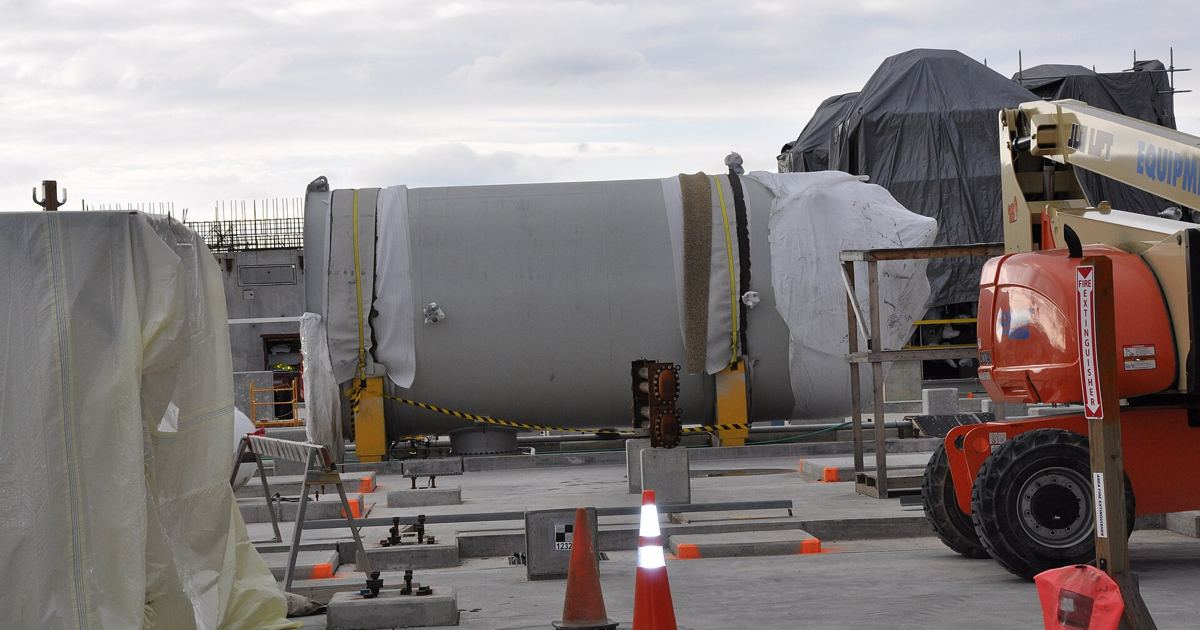 Jacks and Air Receivers on Jobsites: Pre-Mobilization Rules
Review OSHA requirements for jacks and air receivers under 29 CFR 1926.305 and 1926.306 before mobilizing equipment to construction jobsites.
Read article → Hoist Safety Checklist: Base-Mounted Drum and Overhead Hoists
Checklist for base-mounted drum hoists and overhead hoists under OSHA safety standards, covering controls, supports, air lines, and guards.
Read article →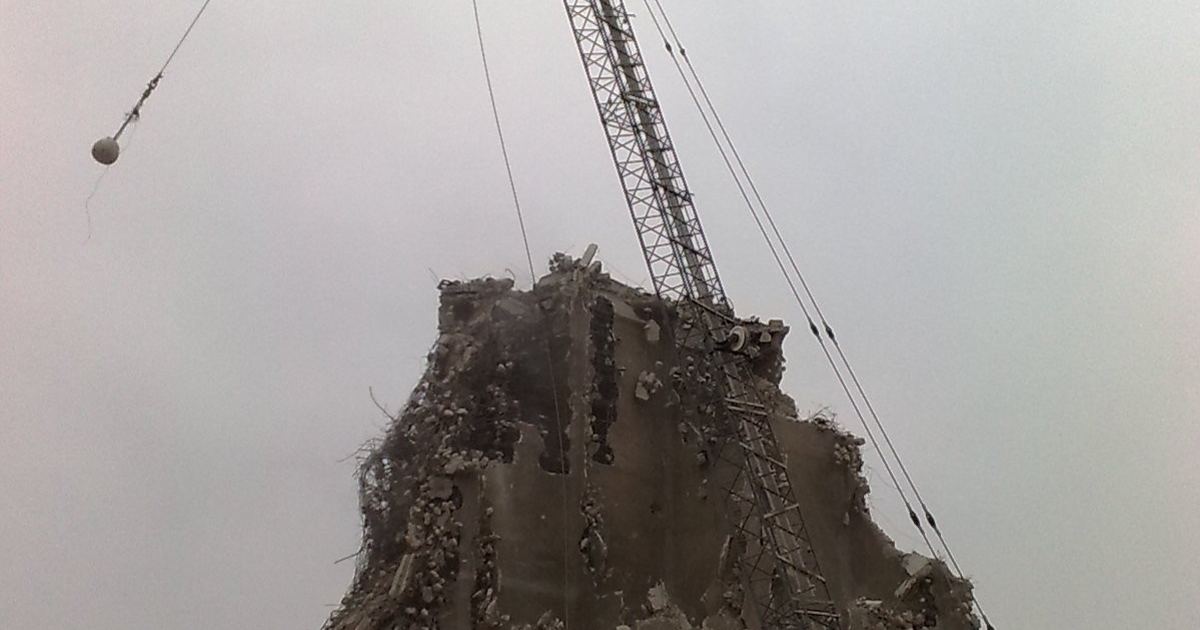 Steel Removal and Mechanical Demolition: Estimator Guide
Understand steel dismantling and mechanical demolition rules under federal standards to sequence work and protect your bid costs.
Read article →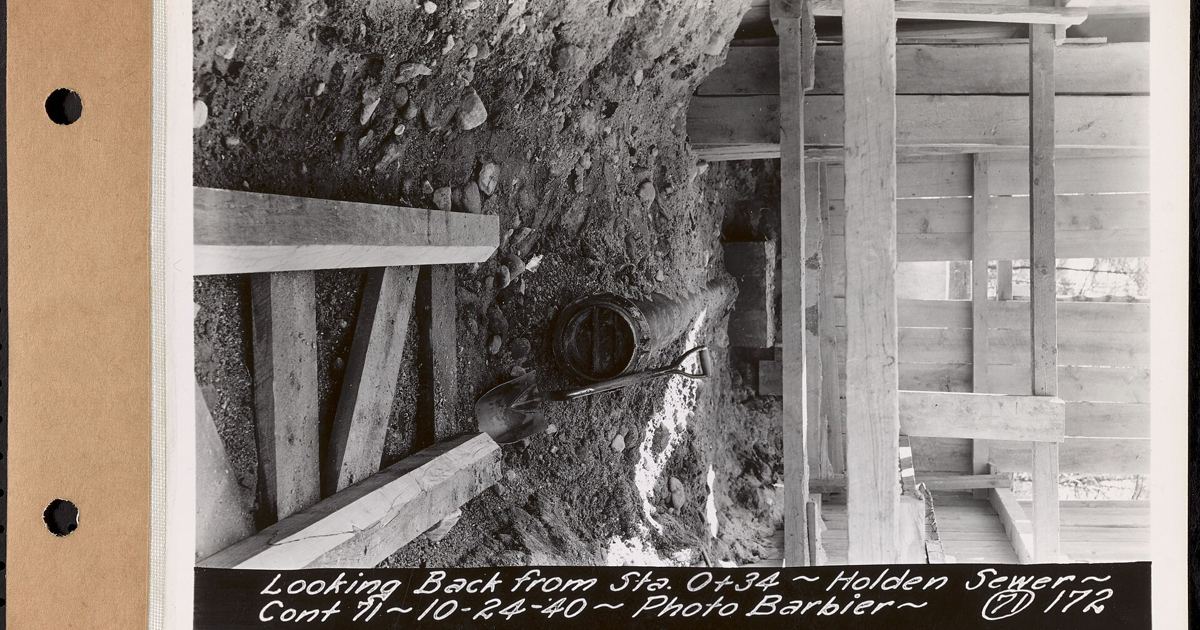 29 CFR 1926.650 Excavation Definitions: Trench Bidding Myths vs. Facts
Learn how OSHA 29 CFR 1926.650 excavation definitions—including trenches, shields, shoring, and competent persons—directly impact construction esti…
Read article → 29 CFR 1926.500: Fall Protection Scope and Definitions for Bidders
Learn how the scope exemptions and precise definitions in 29 CFR 1926.500 determine which fall protection costs belong in your construction bid.
Read article →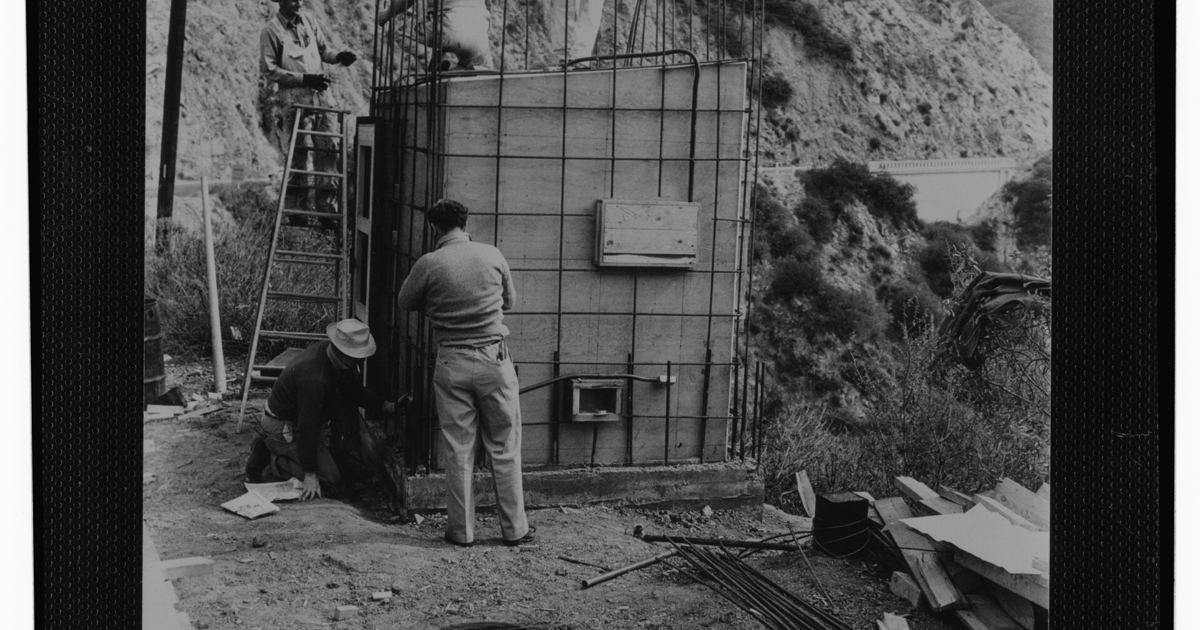 Concrete and Masonry Scope and Definitions: 29 CFR 1926.700 Bid Guide
Master concrete and masonry scope and definitions under 29 CFR 1926.700. Learn key federal terms for formwork, shores, reshoring, and limited acces…
Read article → OSHA Blaster Qualifications & Storage: What to Ask the GC
Verify blaster qualifications and explosive storage compliance under 29 CFR 1926.901 and 1926.904 before bidding or starting site work.
Read article → Progress Payment Requests: What a Pay Application Needs So It Doesn't Get Kicked Back
A checklist for monthly progress payment requests on fixed-price construction jobs: itemized amounts, subcontractor listings, stored materials, the…
Read article → Prompt Payment for Subcontractors: The 7-Day Rule on Federal Jobs and What It Means for Your Cash Flow
How the federal prompt payment clause for construction works: the 14-day and 30-day government payment deadlines, the 7-day pass-through to subcont…
Read article →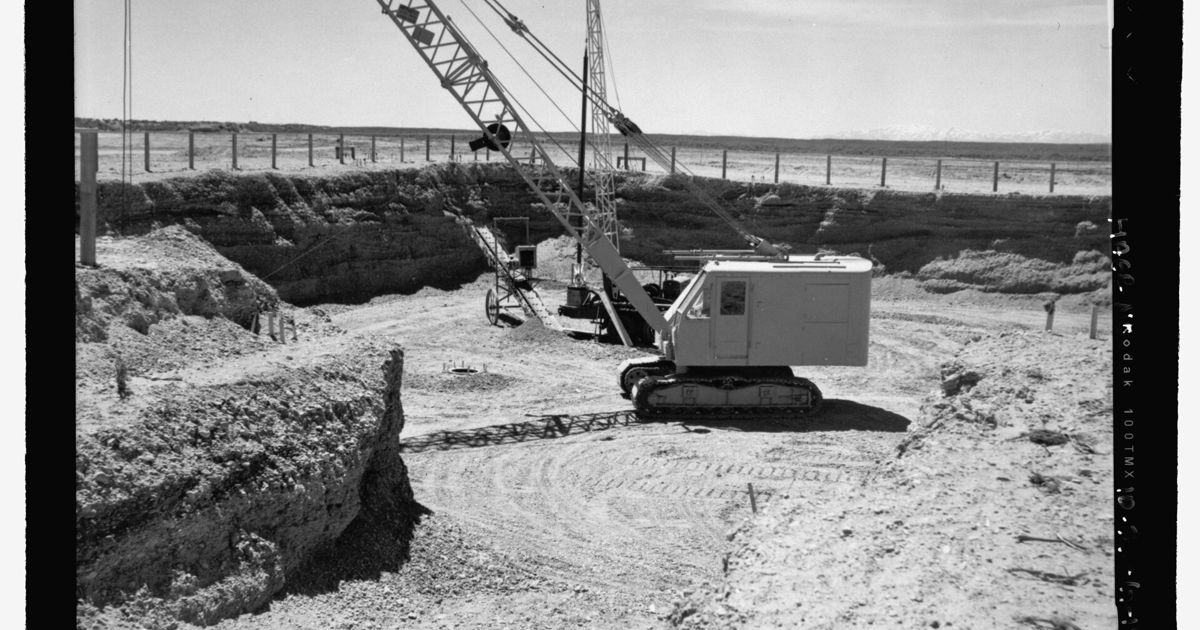 Differing Site Conditions: How to Protect Your Bid When the Ground Isn't What the Drawings Showed
What a differing site conditions clause covers (Type I and Type II conditions), why written notice before the conditions are disturbed is critical…
Read article → BLS Fatal Injury Data: A Bid-Day Checklist for Jobsite Risk
Evaluate construction hazard exposure before submitting proposals using fatal occupational injury data from the U.S. Bureau of Labor Statistics.
Read article → Asbestos Rules in Renovation and Demolition Bids: Comparison Guide
Compare federal asbestos rules from EPA and OSHA for renovation and demolition bids, including NESHAP triggers, ASHARA rules, and chrysotile bans.
Read article → Heat Illness Prevention Bid Checklist: Crew Pacing and Schedules
Evaluate heat illness prevention on bid day. Review OSHA guidelines for crew pacing, acclimatization, WBGT monitoring, and jobsite schedule allowan…
Read article → Pricing Employment Taxes into Crew Labor Rates: Contractor Guide
Learn what federal employment taxes contractors must price into crew labor rates, including Social Security, Medicare, and unemployment tax obligat…
Read article → Hazard Communication for Small Contractors: Quick-Reference Guide
Understand OSHA Hazard Communication Standard rules for small contractors, including GHS labels, chemical training, and the 16-section SDS format.
Read article →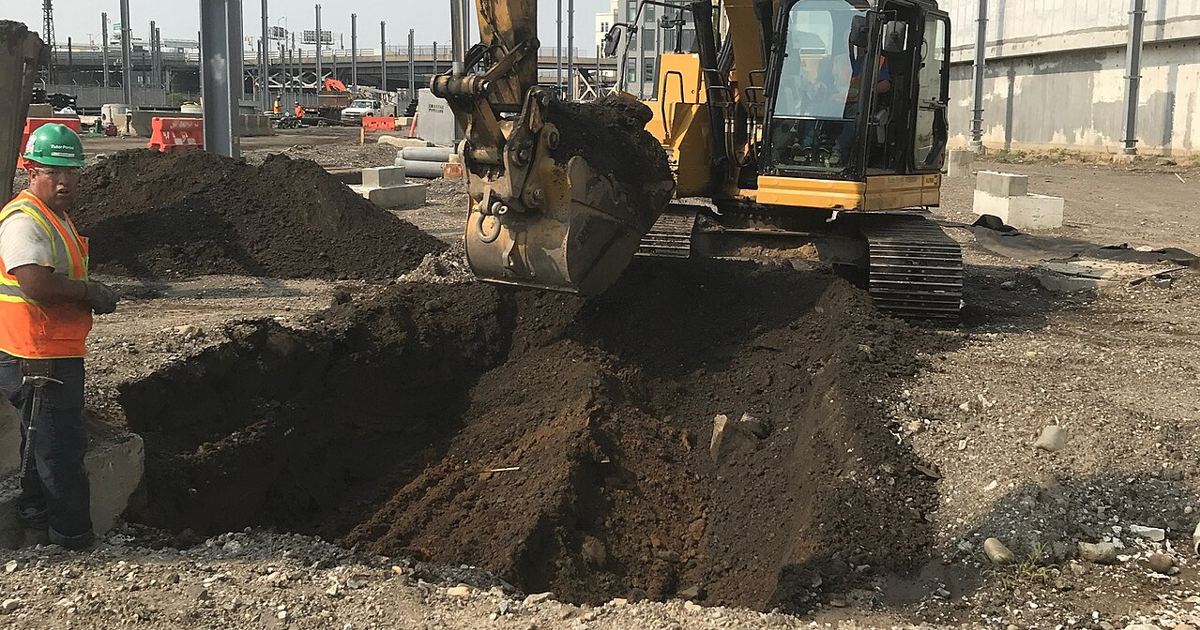 Bidding Trench Safety: Hazard Planning and Protection Costs
Learn how to plan and bid trench and excavation protection under OSHA rules. Review cave-in defense, access, edge clearances, and hazards.
Read article →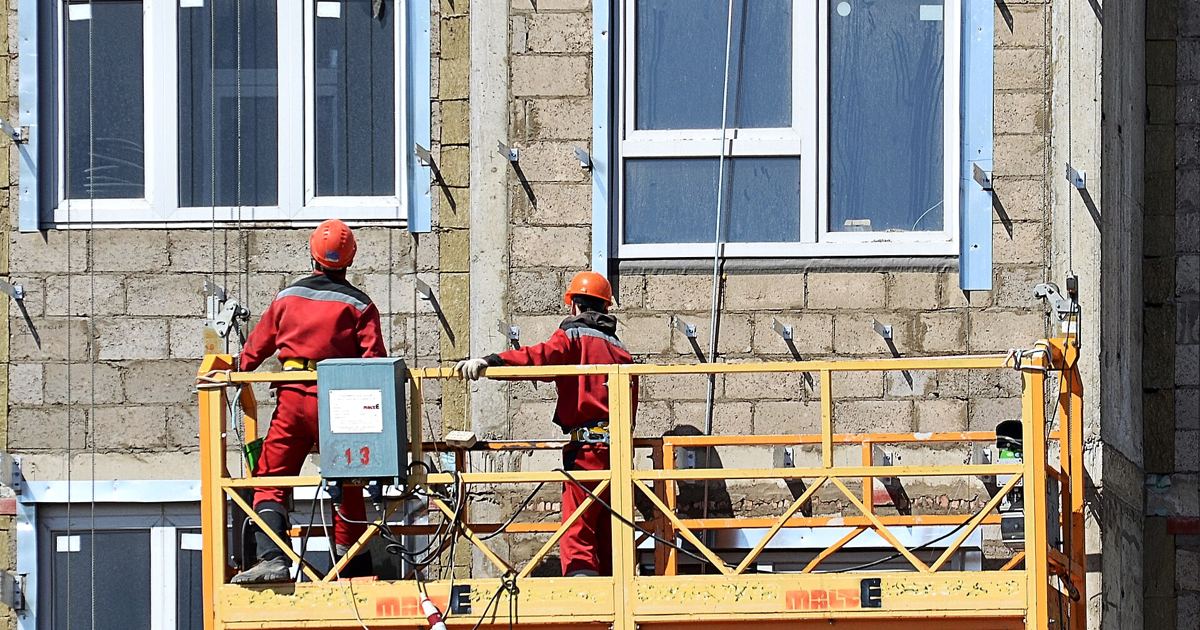 Fall Protection Pre-Job Guide: What Subcontractors Must Ask the GC
What trade contractors must ask general contractors about planning, equipment, and training to prevent construction falls before starting work on s…
Read article → Pricing Civil Engineers Work: What BLS Pay and Job Outlook Data Show
Examine BLS median pay, employment counts, and 2025 to 2035 job growth data to help estimators and subcontractors price civil engineering services.
Read article → Pricing Surveyor Work: What BLS Wage and Job Data Tell Bidders
Learn how to evaluate surveyor costs using BLS median pay, licensing requirements, and 2025 to 2035 job growth data in construction estimates.
Read article → Pricing Welder Labor: What BLS Pay and Outlook Data Reveal
Evaluate federal BLS wage and employment outlook statistics for welders to price field welding, shop fabrication, and trade labor into construction…
Read article →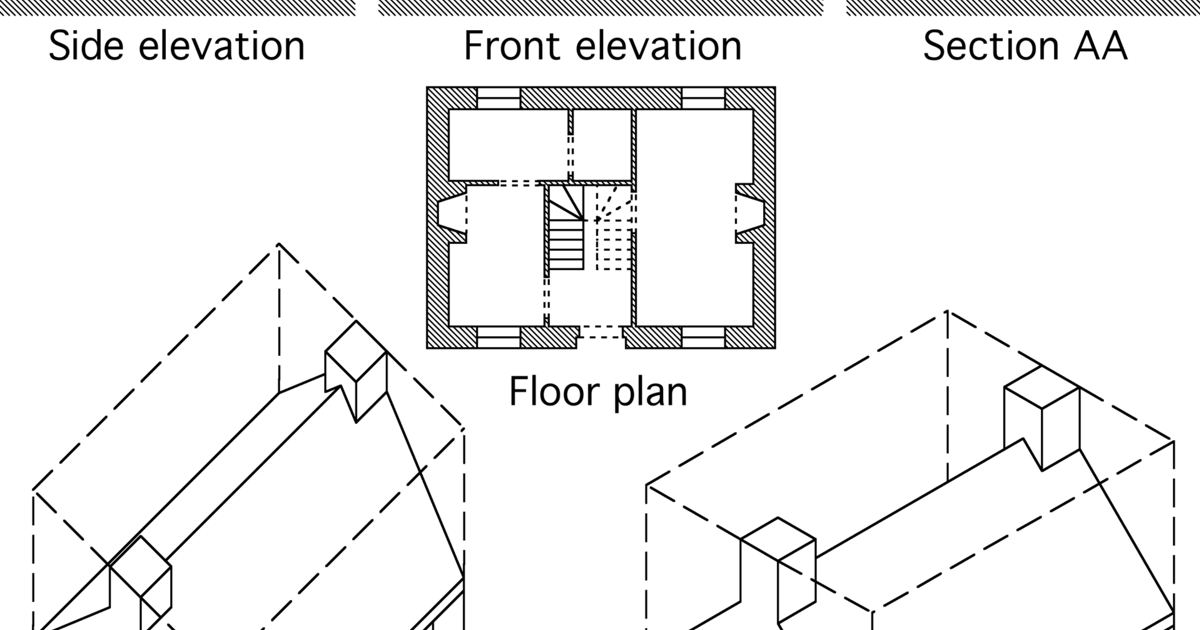 Pricing Drafting Work: Mistakes Estimators Make with BLS Data
Avoid costly mistakes when pricing drafting labor. Learn how BLS wage and replacement data impact drafting allowances and bids.
Read article →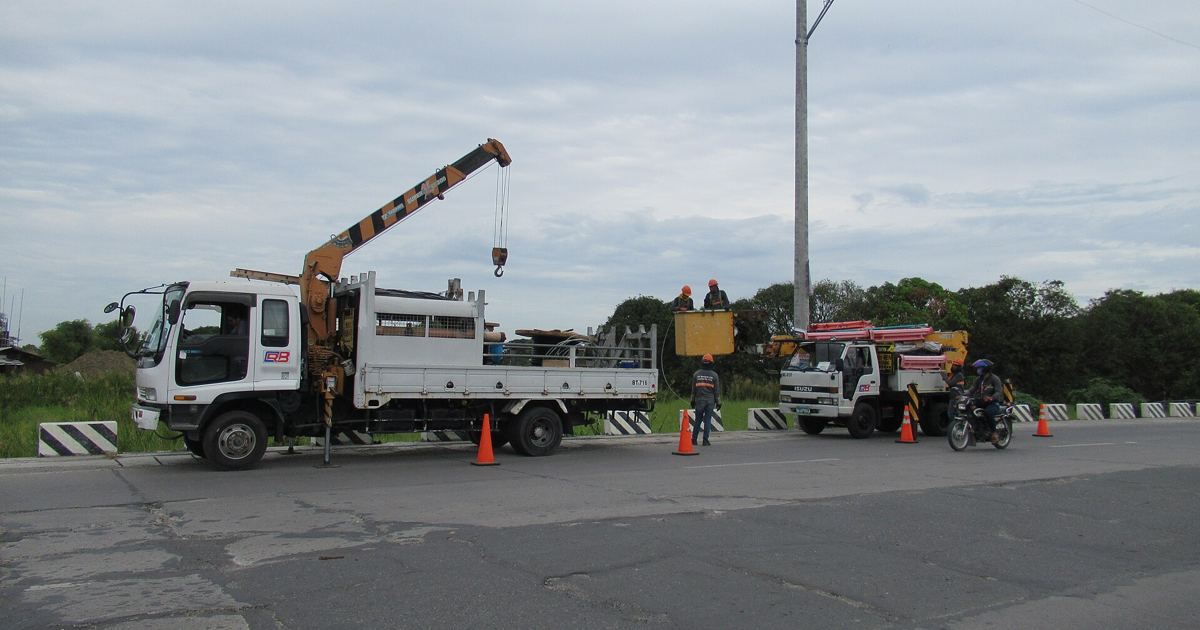 Pricing Electrical Power-Line Installers: Estimator Comparison Guide
Compare BLS wage, hazard, and growth data for electrical power-line installers to price utility subcontractor bids accurately.
Read article → Pricing FAR 52.236-6 Superintendence on Federal Construction Bids
Learn how FAR 52.236-6 impacts federal construction bids, superintendent staffing rules, Contracting Officer approvals, and jobsite management pric…
Read article → Pricing Hazmat Removal: BLS Pay, Employment, and Outlook Realities
Explore BLS wage, job count, and outlook data for hazardous materials removal workers to avoid costly labor pricing errors on construction bids.
Read article → Pricing Elevator and Escalator Installer Labor: Estimator Guide
Examine BLS wage, job outlook, and employment data for elevator and escalator installers to price trade bids and coordinate jobsite assemblies.
Read article → Pricing Solar Photovoltaic Installer Labor: BLS Wage & Outlook Breakdown
Review BLS wage, employment, and job outlook data for solar photovoltaic installers to build accurate labor estimates and subcontractor bid packages.
Read article → FAR 52.236-1 Self-Performance: Bid-Day Checklist for Contractors
A bid-day checklist on FAR 52.236-1 self-performance rules, specialty subcontracting allocations, and federal solicitation requirements.
Read article → FAR 52.246-12 Inspection of Construction: Bid Walk-Through
Walk through federal clause FAR 52.246-12 Inspection of Construction to price QA/QC, tear-out risks, and inspection costs into bids.
Read article → FAR 52.236-26 Preconstruction Conference: Estimating Mistakes
Avoid common estimating mistakes with FAR 52.236-26 Preconstruction Conference rules, subcontractor attendance mandates, and federal bid requirements.
Read article → Bidding FAR 52.233-1 Disputes: Critical Inquiries for Your Prime GC
A subcontractor guide on what to ask the prime contractor about FAR 52.233-1 Disputes, claim certifications, and performance obligations.
Read article → FAR 52.246-21 Warranty of Construction: Comparison Guide
Compare warranty rules under FAR 52.246-21. Learn how standard terms, repair clocks, and equipment clauses affect federal construction bids.
Read article → FAR 52.222-6 Construction Wage Rate Requirements: Estimator Guide
Break down FAR 52.222-6 Construction Wage Rate Requirements. Learn rules for sites of work, fringe benefits, and unlisted trade classifications.
Read article → FAR 52.222-8 Certified Payroll: Step-by-Step Bidding Guide
A step-by-step guide to FAR 52.222-8 certified payroll rules, weekly reporting requirements, and compliance risks for federal construction bidders.
Read article → FAR 52.228-1 Bid Guarantee: Myths vs. Facts for Estimators
Understand FAR 52.228-1 bid guarantee rules, acceptable security forms, submission deadlines, and default risks on federal construction projects.
Read article →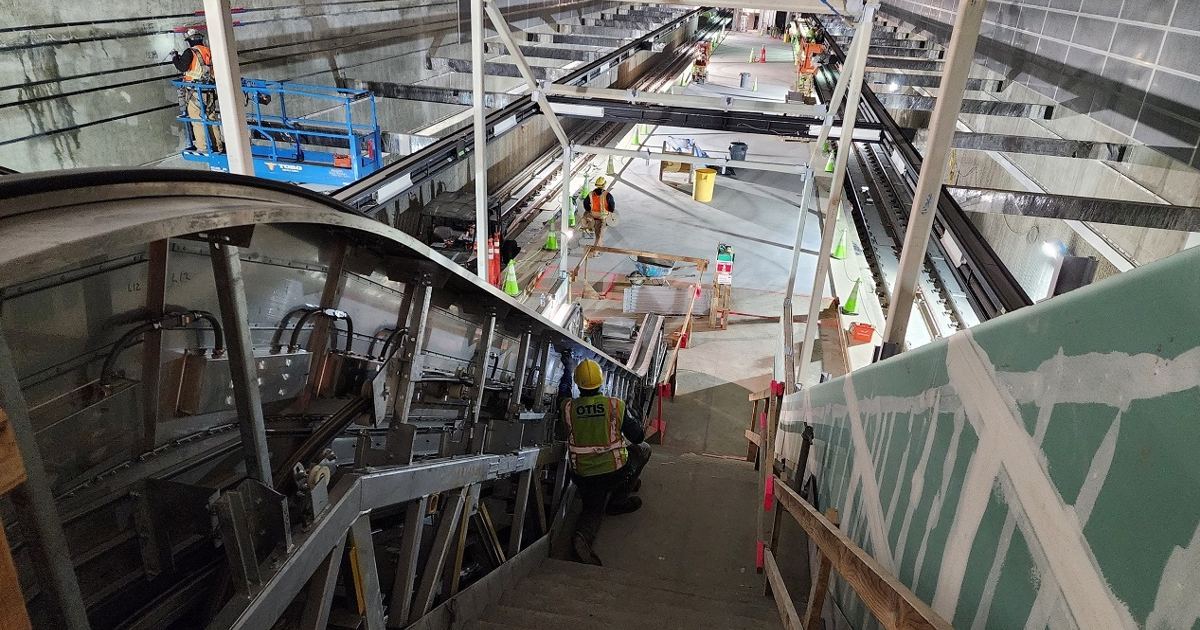 FAR 52.228-15 Checklist: Estimating Federal Construction Bonds
Review FAR 52.228-15 requirements for federal construction bonds, penal sums, approved sureties, execution timing, and subcontractor payment bond r…
Read article → FAR 52.236-11: Early Government Possession Rules for Bidders
Understand FAR 52.236-11 rules on early government possession, punch lists, damage liability relief, and equitable adjustments on federal jobs.
Read article → Pricing Boilermaker Labor: BLS Wage and Employment Bid Checklist
A checklist-driven guide for estimators pricing boilermaker work using BLS data on wages, travel conditions, and long-term workforce projections.
Read article → FAR 52.236-9 Protection of Existing Assets: Estimator Guide
Learn what FAR 52.236-9 requires for protecting existing vegetation, utilities, structures, and improvements on federal construction contracts.
Read article → FAR 52.236-5 Material and Workmanship: Estimator Guide
Understand FAR 52.236-5 Material and Workmanship rules for federal construction bids, covering or-equal substitutions, approvals, and samples.
Read article → FAR 52.236-7 Permits Clause: What Subcontractors Must Ask the GC
Learn what FAR 52.236-7 Permits and Responsibilities requires and the exact questions subcontractors must ask the GC before bidding federal jobs.
Read article →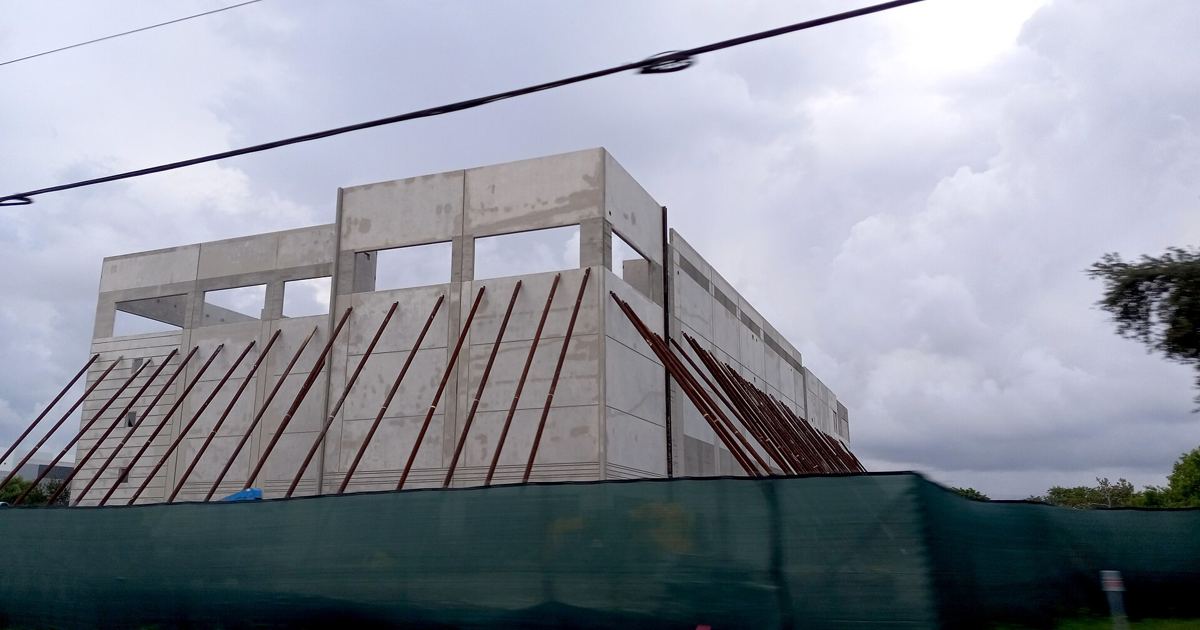 FAR 52.236-15 Bidding Checklist: Construction Contract Schedules
Review the FAR 52.236-15 checklist for federal construction schedules, submittal rules, payment withholdings, and mandatory progress acceleration.
Read article → Bidding FAR 52.236-13 Accident Prevention Clause on Federal Jobs
Learn what FAR 52.236-13 Accident Prevention requires, how to price its safety rules, and what subcontractors must watch for on federal bids.
Read article →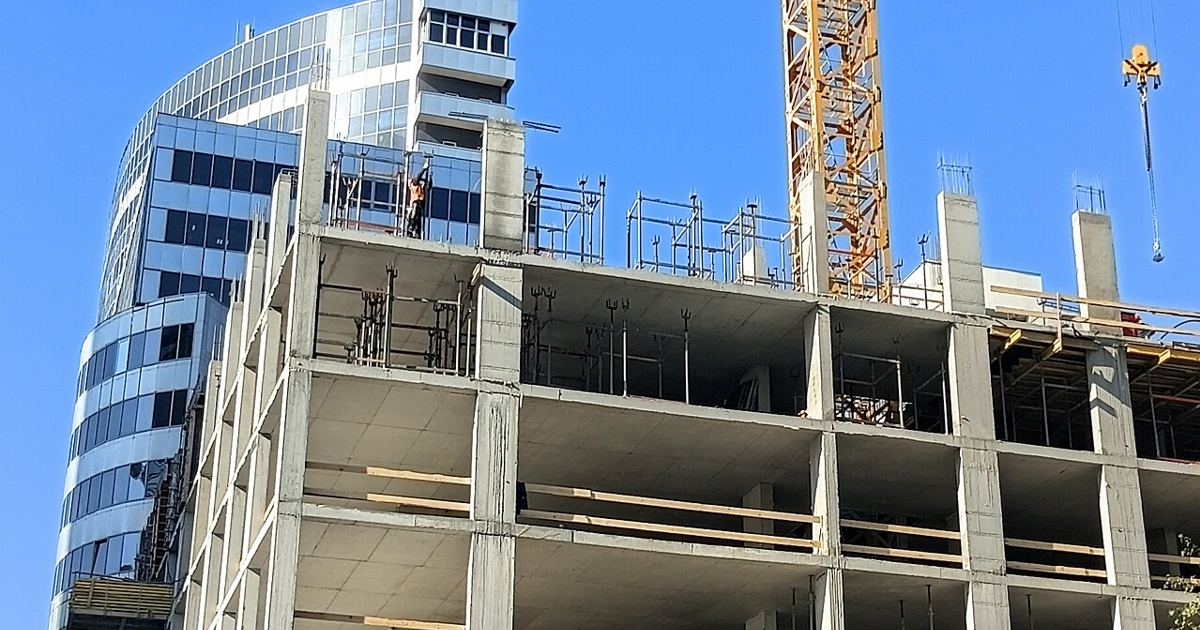 Bidding Under FAR 52.249-10: 5 Costly Default Mistakes
Avoid critical default mistakes under FAR 52.249-10. Learn the 10-day notice rule, subcontractor delay tests, and site equipment seizure terms.
Read article → Bidding Cadmium Compliance: OSHA 29 CFR 1926.1127 Guide
Compare Action Level and PEL rules under OSHA 29 CFR 1926.1127 to price cadmium monitoring, engineering controls, and schedule impacts into bids.
Read article →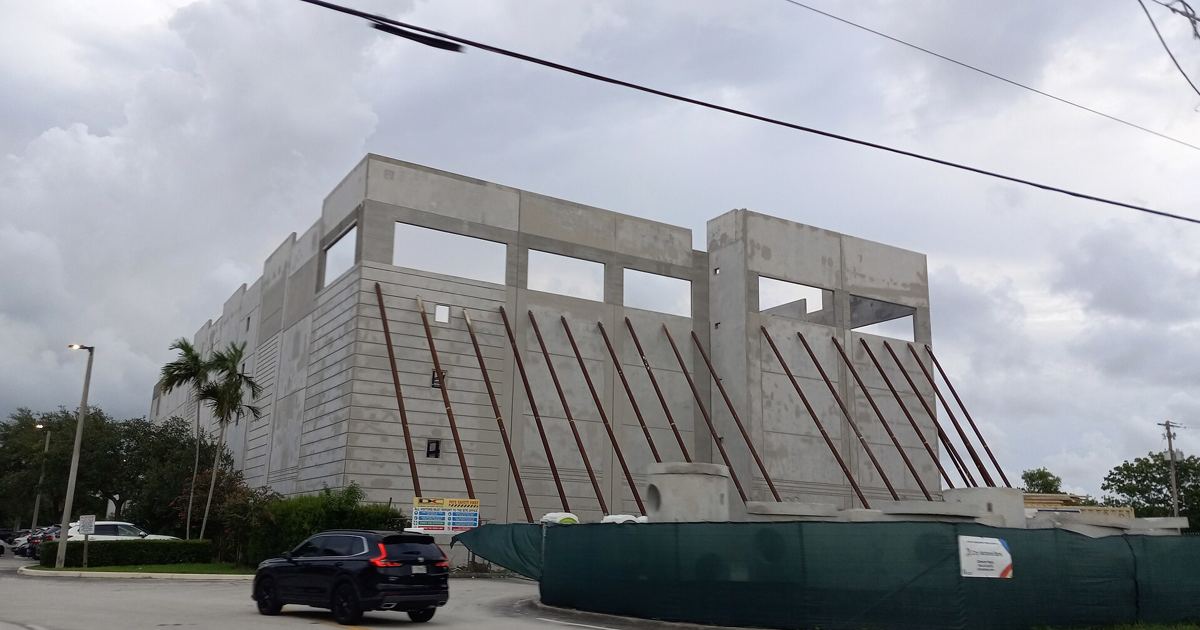 FAR 52.249-2 Convenience Termination: Subcontractor Guide
Learn how FAR 52.249-2 termination for convenience affects federal construction bids, inventory filings, allowable profit, and settlement proposals.
Read article → Bidding OSHA Tower Crane Rules: Section 1926.1435 Mistakes
Avoid costly bidding and scheduling mistakes under OSHA Section 1926.1435 for tower cranes, from engineer design to operational aids.
Read article → Bidding FAR 52.211-10: Step-by-Step Estimator Guide
A step-by-step estimator walkthrough of FAR 52.211-10, covering notice to proceed timing, diligent prosecution, completion dates, and cleanup.
Read article → FAR 52.211-12 Breakdown: Liquidated Damages on Federal Jobs
Understand FAR 52.211-12 Liquidated Damages-Construction, how daily calendar delay assessments work, and what estimators should review on federal b…
Read article → Bidding Under FAR 52.236-3: Site Investigation Guide
Learn how to review and price federal site conditions under FAR 52.236-3 to protect your bid against unexpected field and logistics costs.
Read article → Bidding OSHA 29 CFR 1926.1126: Hexavalent Chromium Rules
Quick-reference guide to OSHA 29 CFR 1926.1126 chromium (VI) rules, PEL limits, monitoring cycles, portland cement exemptions, and bidding compliance.
Read article → FAR 52.232-27 Prompt Payment: Myths vs. Facts for Bidders
Examine FAR 52.232-27 prompt payment rules, mandatory subcontractor payment windows, invoice review deadlines, and interest penalties on federal jobs.
Read article →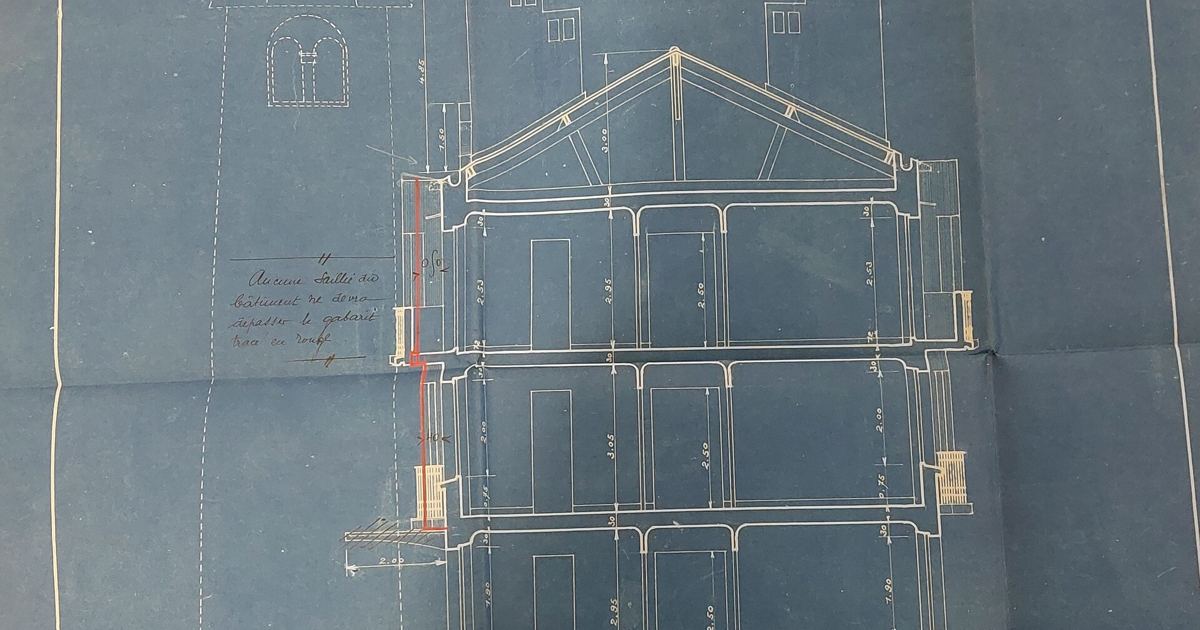 FAR 52.243-4 Changes Clause: Construction Estimator Q&A Guide
Understand FAR 52.243-4 Changes for federal construction contracts. Learn the 20-day notice rule, 30-day proposal limits, and equitable adjustment…
Read article → FAR 52.232-5 Bidding Checklist: Payments and Retainage Rules
A checklist-driven guide to FAR 52.232-5 progress payments, 10 percent retainage caps, bond reimbursements, and certification rules for federal jobs.
Read article → OSHA Crane Swing Radius Control: Bidding § 1926.1424
Learn how OSHA § 1926.1424 crane swing radius work area control rules impact construction bids, barrier setups, communication systems, and project…
Read article → FAR 52.236-2 Differing Site Conditions: Estimator Guide
Learn what FAR 52.236-2 requires for differing site conditions and the essential questions subcontractors must ask the GC on federal projects.
Read article → OSHA 1926.1000 ROPS Rules: Bidding and Schedule Guide
Learn how OSHA 29 CFR 1926.1000 rollover protective structure (ROPS) rules affect material handling equipment in construction bids, logistics, and…
Read article →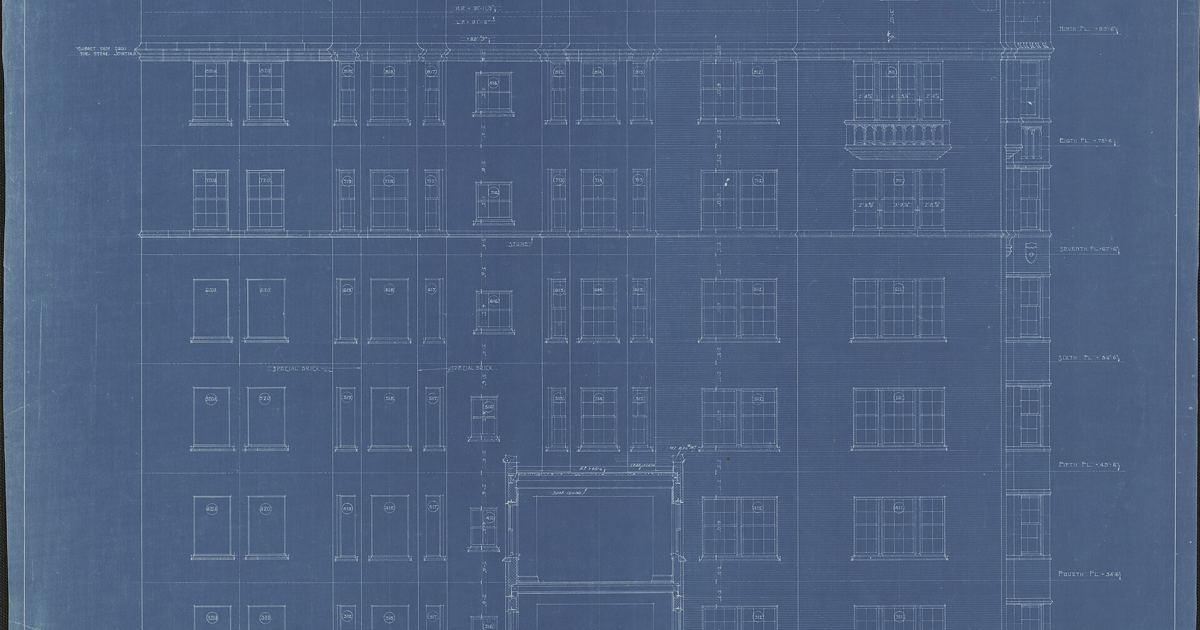 FAR 52.236-21 Comparison Guide: Drawings, Specs, and Submittals
Compare specifications, drawings, and submittal rules under FAR 52.236-21 to price federal construction jobs accurately and protect your bid.
Read article → OSHA 29 CFR 1926.106: Working Over or Near Water in Bids
Learn OSHA 29 CFR 1926.106 rules for working over or near water. Explore life vest, 90-foot line ring buoy, and lifesaving skiff bid compliance.
Read article → OSHA 1926.1205 Confined Space Permitting: Bid & Schedule Guide
Master OSHA standard 1926.1205 confined space permit rules, entry supervisor duties, posting mandates, and 1 year retention for accurate bids.
Read article → OSHA 1926.1211 Confined Space Rescue: Bidding Myths and Facts
Learn what OSHA 1926.1211 requires for confined space rescue and how estimators account for gear, training, and schedule impacts on construction bids.
Read article →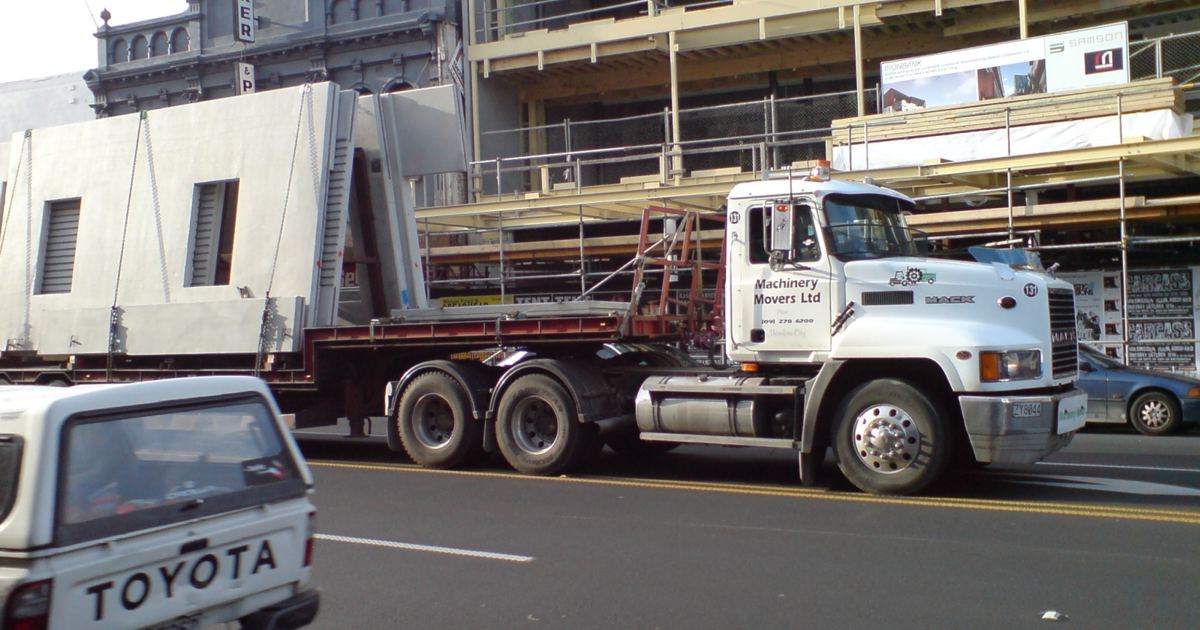 Bidding OSHA 29 CFR 1926.704 Precast Concrete Rules
Learn OSHA 29 CFR 1926.704 precast concrete rules for lifting inserts, hardware, temporary supports, and exclusion zones to build compliant bids.
Read article → OSHA 29 CFR 1926.1412: Crane Inspection Rules for Bidders
Break down OSHA 29 CFR 1926.1412 crane inspection tiers, documentation rules, and how to price inspection compliance into construction bids.
Read article →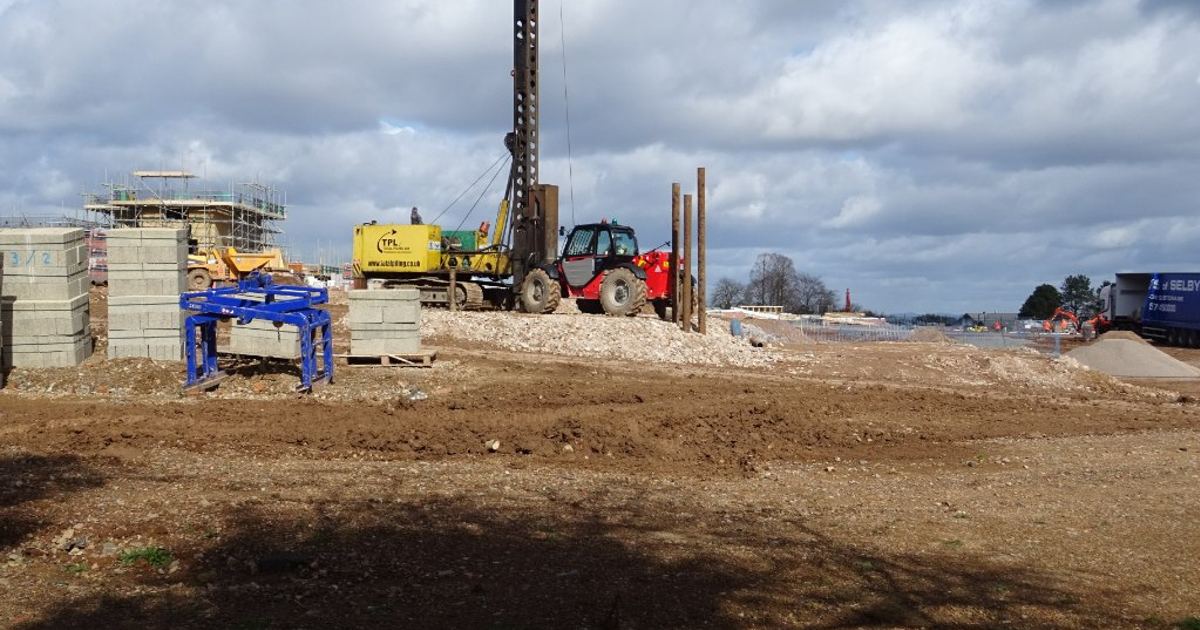 Bidding OSHA 29 CFR 1926.603 Pile Driving Equipment Rules
Learn how OSHA 29 CFR 1926.603 pile driving equipment rules impact bid costs, rig hardware, pressurized line safety, and job schedules.
Read article → Bidding OSHA 29 CFR 1926.604 Site Clearing: Common Mistakes
Avoid costly bidding and schedule mistakes under OSHA 29 CFR 1926.604 site clearing rules, including canopy guards and plant hazard protections.
Read article → Section 1926.97 Electrical PPE: Bidding and Field Checklist
A checklist-driven guide to OSHA Section 1926.97 electrical protective equipment rules, field care, and pricing testing into construction estimates.
Read article →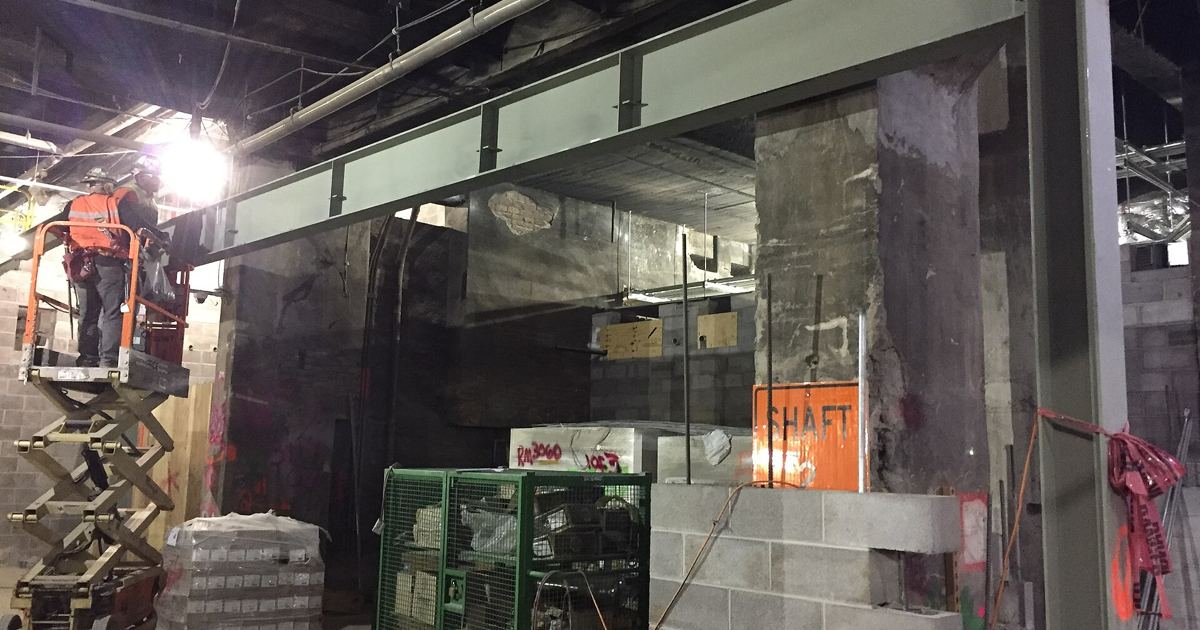 OSHA 1926.761 Steel Erection Training: What to Ask the GC
Review OSHA 1926.761 steel erection training rules, fall hazards, connector practices, and essential questions to ask the GC during bidding.
Read article →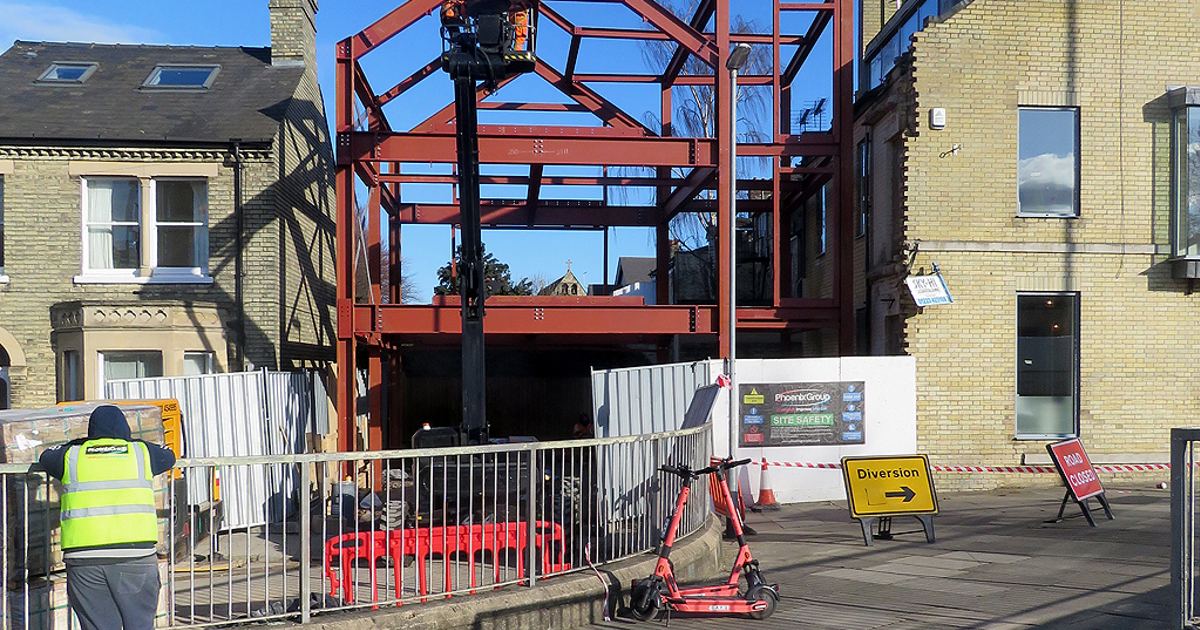 OSHA 1926.759 Falling Object Protection Bid Checklist
Review OSHA 1926.759 falling object protection rules, controlling contractor duties, aloft tool securing, and bid-day scheduling steps.
Read article →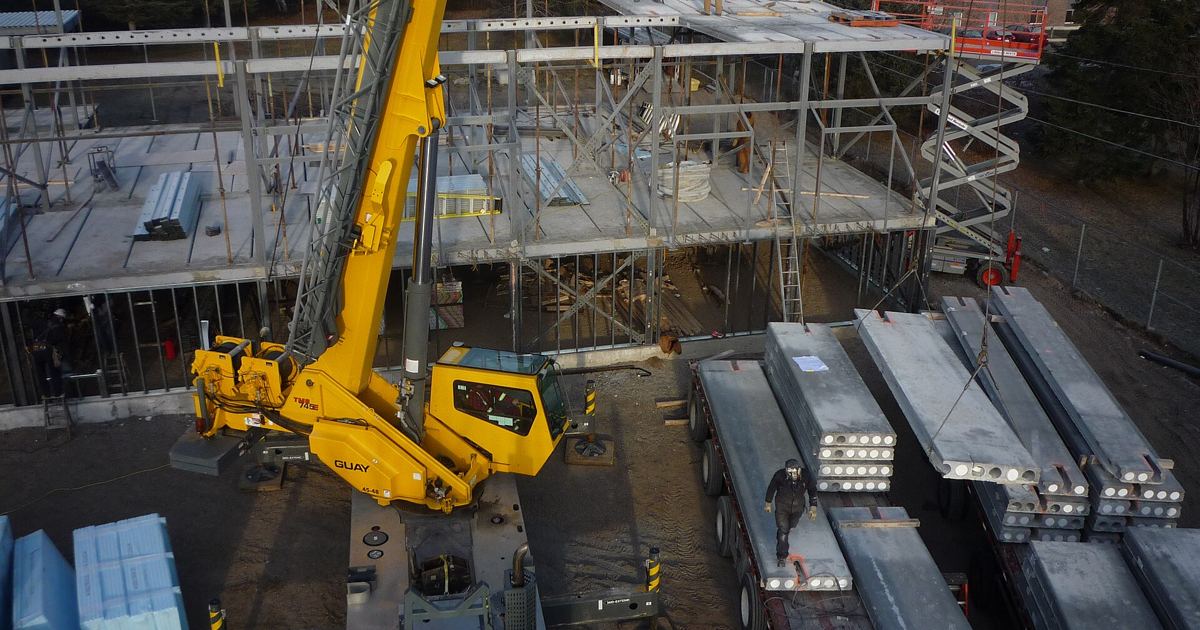 OSHA 1926.756 Quick Reference: Steel Beams and Columns for Bidders
Review OSHA Section 1926.756 beam and column requirements for steel erection, including connection bolt rules, perimeter columns, and bid scheduling.
Read article →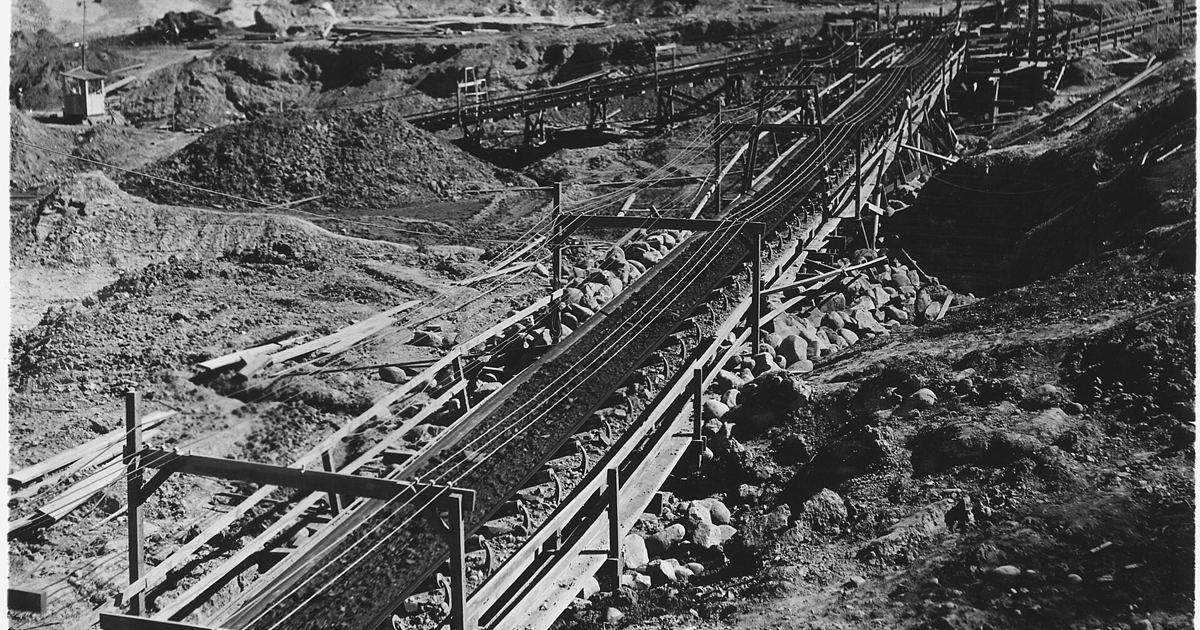 OSHA 29 CFR 1926.555 Conveyor Rules: Bid and Schedule Breakdown
Learn OSHA 29 CFR 1926.555 conveyor requirements, including emergency stops, audible start alarms, guarding, and lockout rules for job estimates.
Read article → Demolishing Walls and Chimneys Under OSHA Section 1926.854
Guide to OSHA Section 1926.854 rules for masonry and chimney demolition, lateral bracing, floor openings within 10 feet, and bidding compliance.
Read article →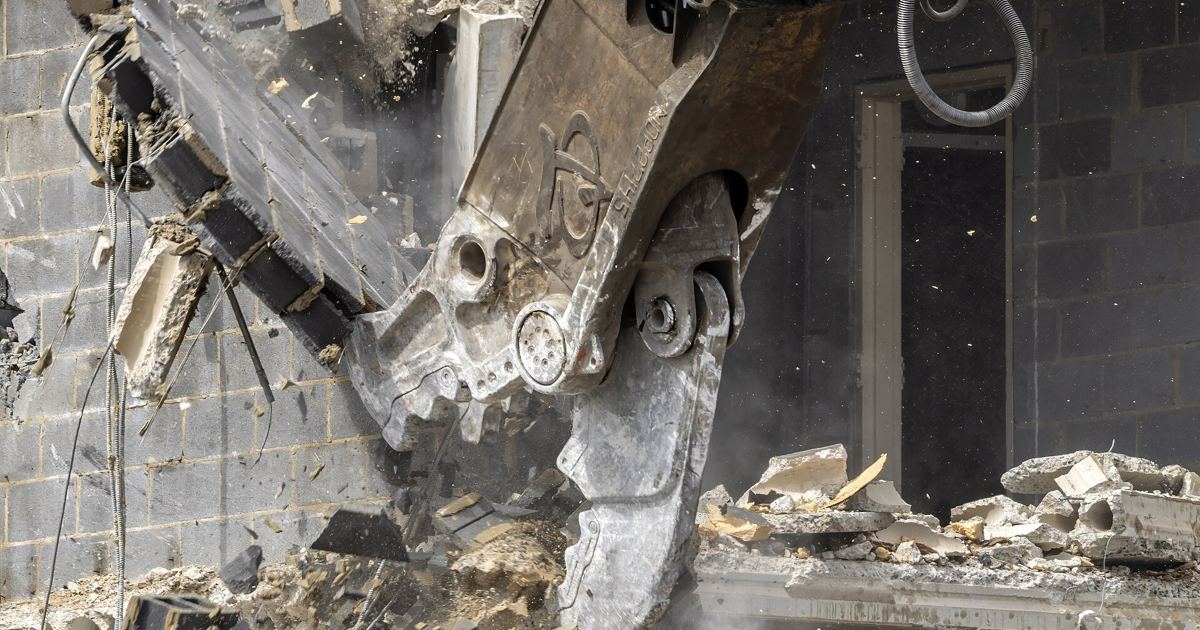 Demolition Equipment on Floors: OSHA Section 1926.856 Explainer
Review OSHA Section 1926.856 equipment demolition rules for floor capacity, opening curbs, and subpart compliance, plus tips for construction bids.
Read article → OSHA Section 1926.1402 Crane Ground Conditions Quick Reference
Quick-reference guide to OSHA Section 1926.1402 crane ground condition rules, controlling entity duties, supporting materials, and bid planning.
Read article →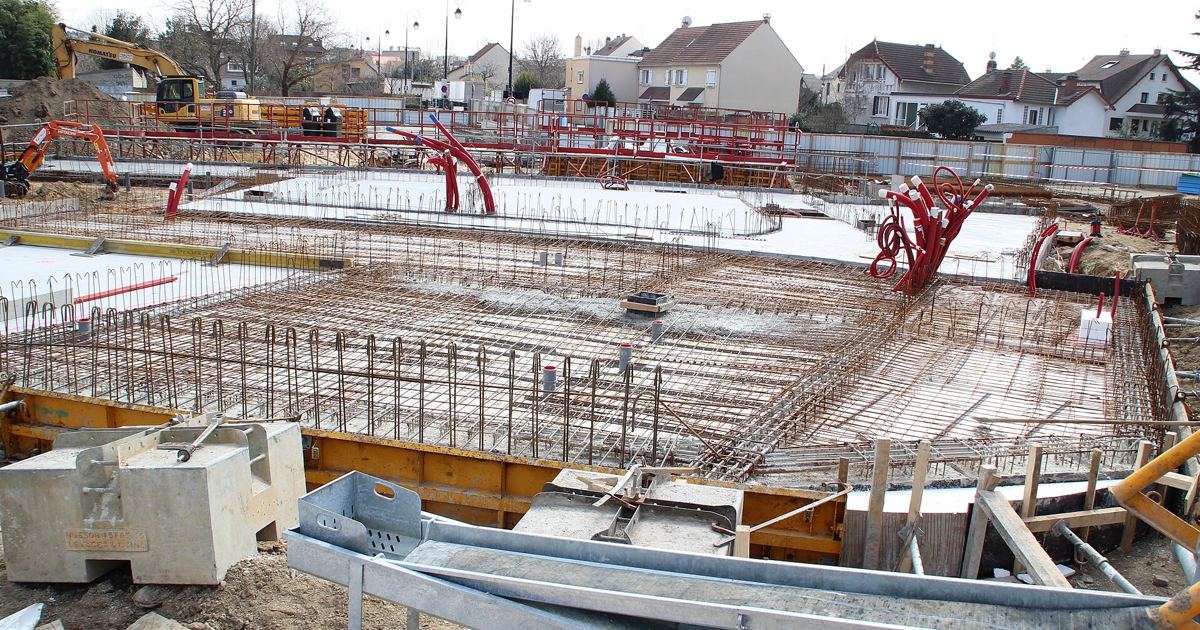 OSHA 29 CFR 1926.701: Concrete Compliance Bid-Day Checklist
A bid-day checklist for OSHA 29 CFR 1926.701 covering rebar impalement protection, post-tensioning barriers, bucket safety, and construction loads.
Read article → OSHA 29 CFR 1926.757: Open Web Steel Joist Rules for Bids
Understand OSHA 29 CFR 1926.757 open web steel joist rules, bridging spans, load limits, and how to price crane hook time into bids.
Read article → Hoisting Personnel with Cranes: Questions to Ask the GC Before Bidding
Review OSHA rules for hoisting personnel with cranes under Section 1926.1431 and learn what questions to ask general contractors before bidding.
Read article → Bid-Day Checklist: OSHA Crane Power Line Safety Under Section 1926.1408
Bid-day checklist for OSHA Section 1926.1408 crane power line safety, detailing clearance options, encroachment controls, Table A distances, and la…
Read article → OSHA Section 1926.754 Steel Assembly: Bid and Schedule Checklist
Checklist for OSHA Section 1926.754 structural steel assembly rules, covering multi-story limits, deck openings, plumbing-up, and covers.
Read article → Bidding OSHA 1926.1204: Confined Space Program Comparison Guide
Compare OSHA 1926.1204 permit space program rules, testing equipment, attendants, and procedures to budget project labor and schedules accurately.
Read article → Bidding Demolition Chutes: OSHA Section 1926.852 Walkthrough
Walk through OSHA Section 1926.852 demolition chute requirements, covering enclosure angles, gate controls, guardrails, and truck loading compliance.
Read article →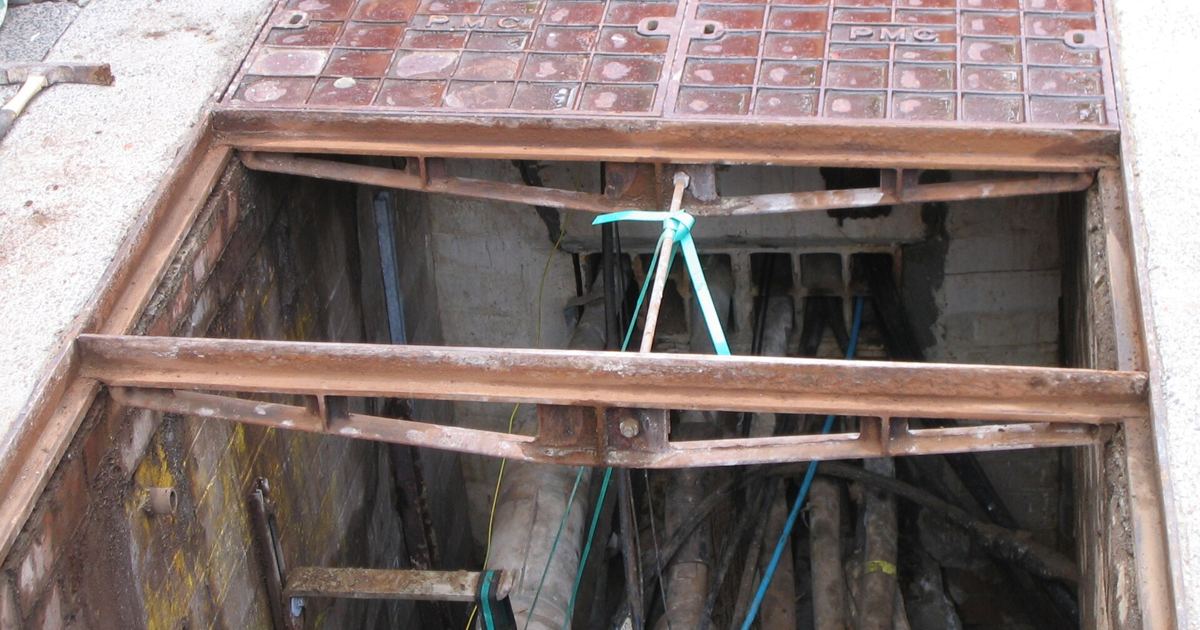 Bidding OSHA 1926.1203 Confined Space Rules: A Jobsite Walk-Through
Learn how OSHA 1926.1203 confined space rules impact construction bids and schedules through a step-by-step hypothetical estimator walk-through.
Read article → OSHA 29 CFR 1926.24: Fire Protection and Prevention Bidding Q&A
Learn what OSHA 29 CFR 1926.24 requires for job site fire protection and prevention, and how contractors should account for compliance in bids.
Read article → OSHA 1926.702 Concrete Equipment: What to Ask the GC
Learn what to ask the GC about OSHA 29 CFR 1926.702 concrete tool and equipment rules to build accurate bids and schedules.
Read article → OSHA 1926.706 Masonry Access Zones: Bidding and Schedule Guide
Learn how OSHA masonry limited access zones and bracing rules impact jobsite footprints, trade schedules, and construction bid estimating.
Read article →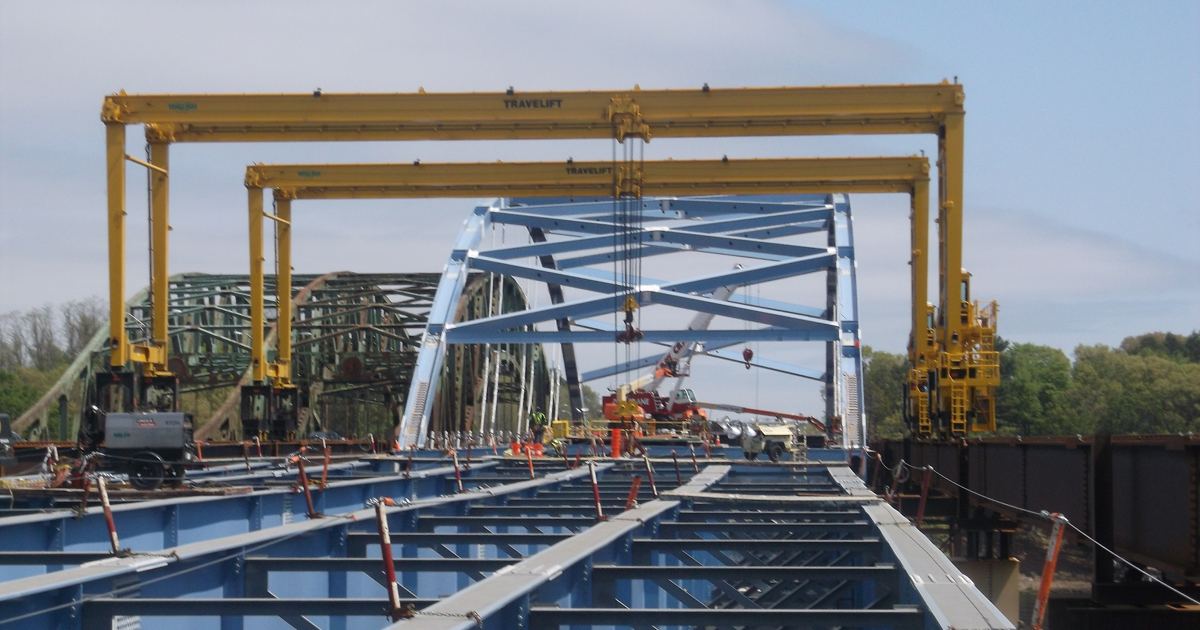 OSHA 1926.752 Steel Erection Site Layout: Estimator Q&A
Learn OSHA § 1926.752 rules for site layout, written concrete strength notices, access roads, and site-specific erection plans for project bids.
Read article → Bidding OSHA 1926.1051: Stairway and Ladder Mistakes
Avoid costly bidding and scheduling errors under OSHA 1926.1051 by planning required ladders, stairways, and access points for construction crews.
Read article →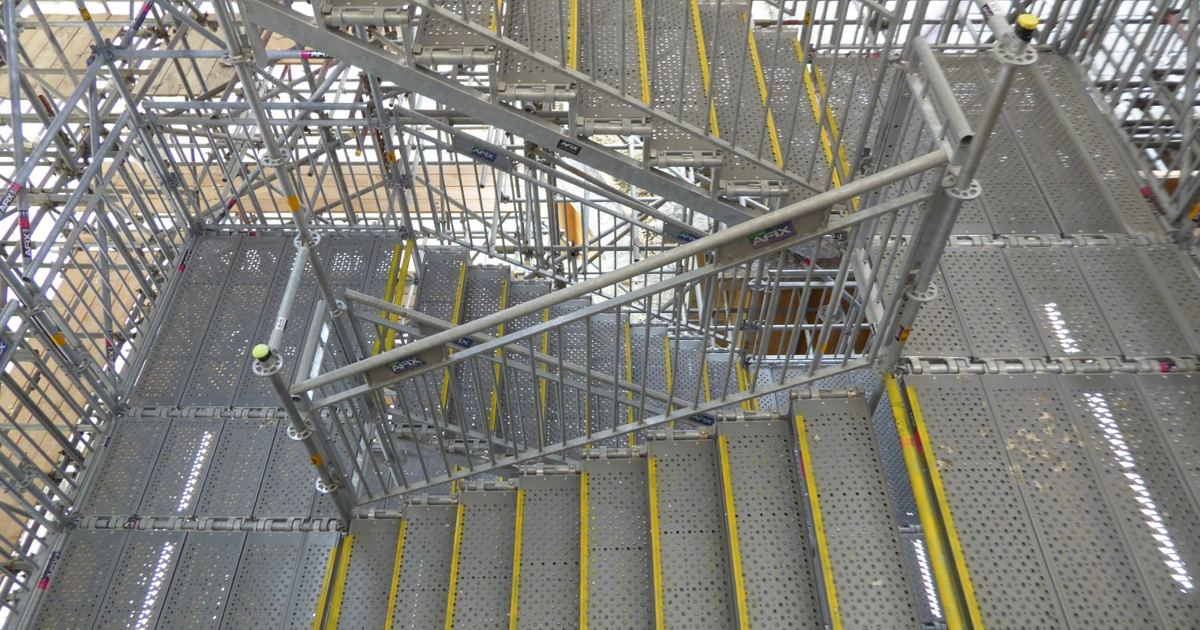 OSHA 1926.851 Demolition Access: Bidding Stairs and Passageways
Learn key OSHA 1926.851 requirements for demolition stairs, ladders, and passageways, and how to price access compliance into bids.
Read article →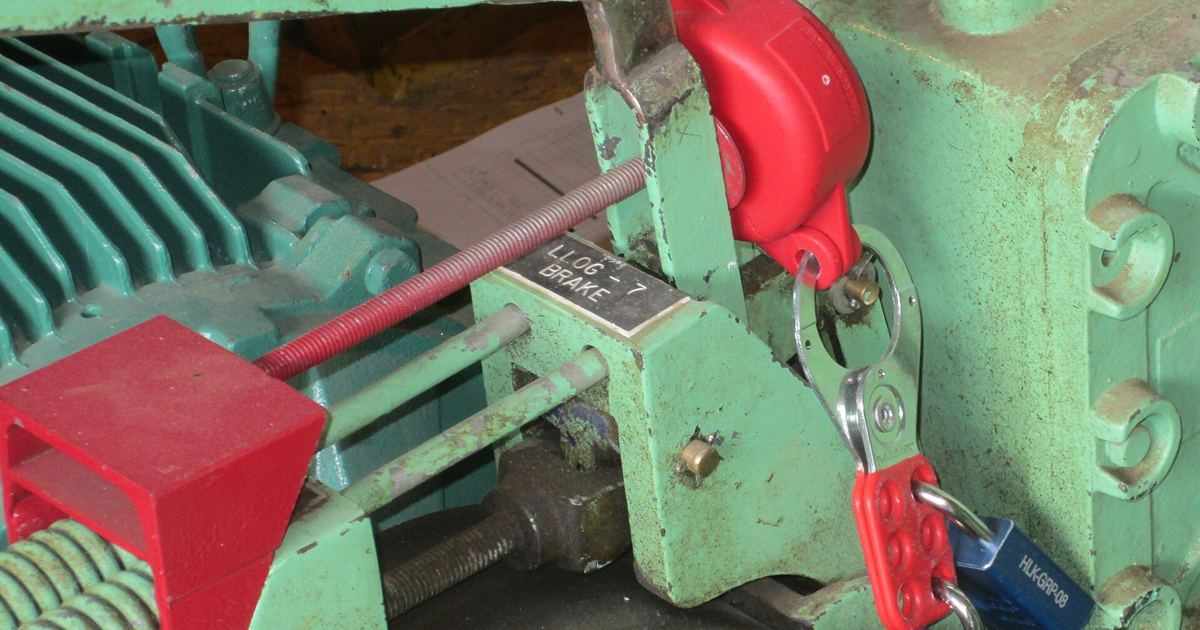 Section 1926.417 Circuit Lockout: Bidding and Schedule Rules
Understand OSHA Section 1926.417 rules for circuit lockout, tagging deactivated controls, and pricing compliance into construction bids and schedules.
Read article → OSHA Section 1926.441 Battery Rules: Bid and Schedule Guide
Master OSHA Section 1926.441 battery charging rules. Learn requirements for ventilation, drenching stations within 25 feet, acid protection, and bi…
Read article → Bidding OSHA 1926.251 Rigging Equipment Rules
Walk through OSHA 29 CFR 1926.251 rigging rules for material handling, including proof-testing, inspections, and bid schedule compliance.
Read article → OSHA Section 1926.351 Arc Welding and Cutting: Bidder Q&A
Understand OSHA Section 1926.351 arc welding and cutting requirements, from cable rules and grounding to jobsite shielding and bid costs.
Read article →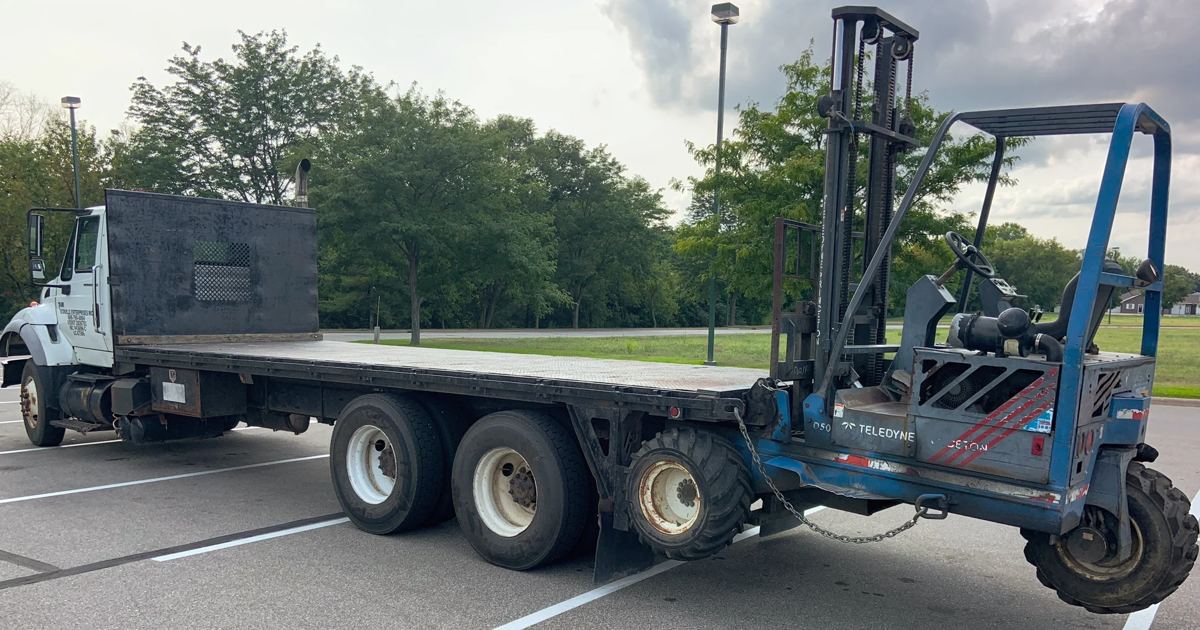 Bidding OSHA 29 CFR 1926.602 Material Handling Compliance
Quick-reference guide to OSHA 29 CFR 1926.602 material handling rules for forklifts and earthmoving equipment, with practical bid and schedule cost…
Read article → Bidding OSHA 29 CFR 1926.304: Woodworking Tool Questions for the GC
Learn what OSHA 29 CFR 1926.304 requires for woodworking tools on jobsites, and what questions estimators must ask the GC before bidding.
Read article →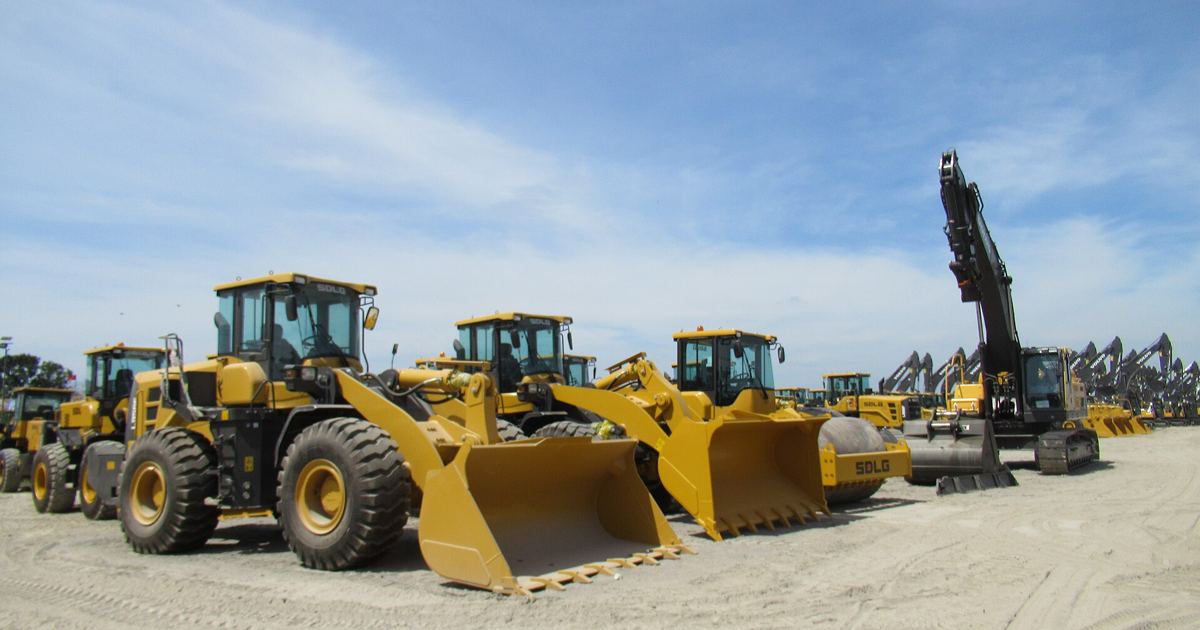 OSHA 29 CFR 1926.600: Bidding Equipment Safety Rules
A scenario walk-through of OSHA 29 CFR 1926.600 construction equipment safety rules, covering power line clearances, cribbing, and bid considerations.
Read article → OSHA Section 1926.416: Electrical Safety Myths and Bidding Facts
Learn OSHA Section 1926.416 electrical safety requirements and how trade contractors account for compliance in bids, equipment, and schedules.
Read article → OSHA 29 CFR 1926.252 Waste Disposal: Chutes vs. Floor Drops
Compare OSHA 29 CFR 1926.252 waste disposal rules for exterior chutes, interior floor drops, barricades, and flammable containers in bids.
Read article → OSHA 29 CFR 1926.301 Hand Tool Rules for Bids & Schedules
Learn OSHA 29 CFR 1926.301 hand tool rules. Discover compliance requirements for wrenches, impact tools, and wooden handles in construction bids.
Read article → OSHA 29 CFR 1926.303 Bid-Day Checklist: Abrasive Tools
Bid-day checklist for OSHA 29 CFR 1926.303 abrasive wheels, grinder guards, work rest spacing, and protective eye equipment on construction projects.
Read article → OSHA 29 CFR 1926.350 Cylinder Rules: Bidding and Field Guide
Learn how to bid and schedule OSHA 29 CFR 1926.350 gas welding and cutting cylinder safety rules, storage distances, inspections, and handling.
Read article → OSHA 1926.601 Motor Vehicle Rules: Bid and Schedule Guide
Compare OSHA 29 CFR 1926.601 motor vehicle rules for off-highway jobsites to build accurate equipment allowances into construction bids and schedules.
Read article → OSHA 1926.552 Hoist Bidding Mistakes: Estimating Compliance
Avoid common estimating mistakes under OSHA 29 CFR 1926.552 for material hoists, personnel hoists, and jobsite elevators in construction bids.
Read article → OSHA 1926.405 Temporary Wiring Checklist: Bid and Schedule Guide
Contractor checklist for temporary wiring and lighting under OSHA standard 1926.405, covering cord ratings, open conductors, and enclosures for bids.
Read article → OSHA 29 CFR 1926.55 Exposure Limits: Estimating Common Mistakes
Learn the requirements of OSHA 29 CFR 1926.55 for airborne contaminants and how to avoid bidding and scheduling compliance mistakes.
Read article → OSHA 29 CFR 1926.151 Fire Prevention: Bids and Schedules
Learn OSHA 29 CFR 1926.151 fire prevention rules for jobsite ignition hazards, temporary structures, open yard storage, and indoor material clearance.
Read article → OSHA 29 CFR 1926.32 Definitions: Bidding Myths vs. Facts
Learn the legal OSHA construction definitions under 29 CFR 1926.32, from competent person to approved equipment, and avoid costly bidding mistakes.
Read article → OSHA 29 CFR 1926.101 Hearing Protection: Bid-Day Checklist
A bid-day checklist for OSHA 29 CFR 1926.101 hearing protection, competent person fittings, Table D-2 limits, and construction estimate budgeting.
Read article → Bidding OSHA 29 CFR 1926.57 Ventilation Rules
Learn how OSHA 29 CFR 1926.57 ventilation and abrasive blasting rules impact construction schedules, equipment allowances, and subcontractor estima…
Read article →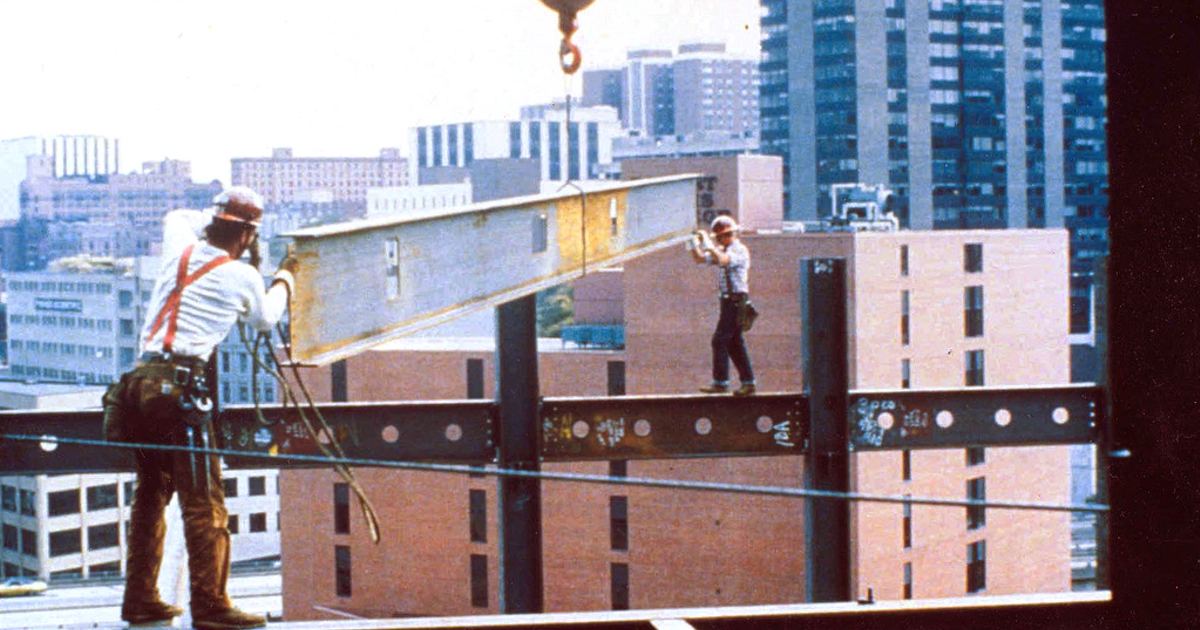 OSHA 1926.28 PPE Compliance: Estimator Bid and Schedule Checklist
Learn what OSHA 1926.28 requires for personal protective equipment and how estimators can account for mandatory PPE compliance in construction bids.
Read article → OSHA 1926.200 Signs and Tags: Bid and Schedule Guide
Learn OSHA 29 CFR 1926.200 rules for danger, caution, and exit signs, tags, and traffic devices, plus how to budget labor and materials in bids.
Read article → Bidding OSHA 29 CFR 1926.35: Emergency Action Plan Steps for Bids
Walk through OSHA 29 CFR 1926.35 requirements for emergency action plans, alarms, training, and crew reviews to build into bids and job schedules.
Read article →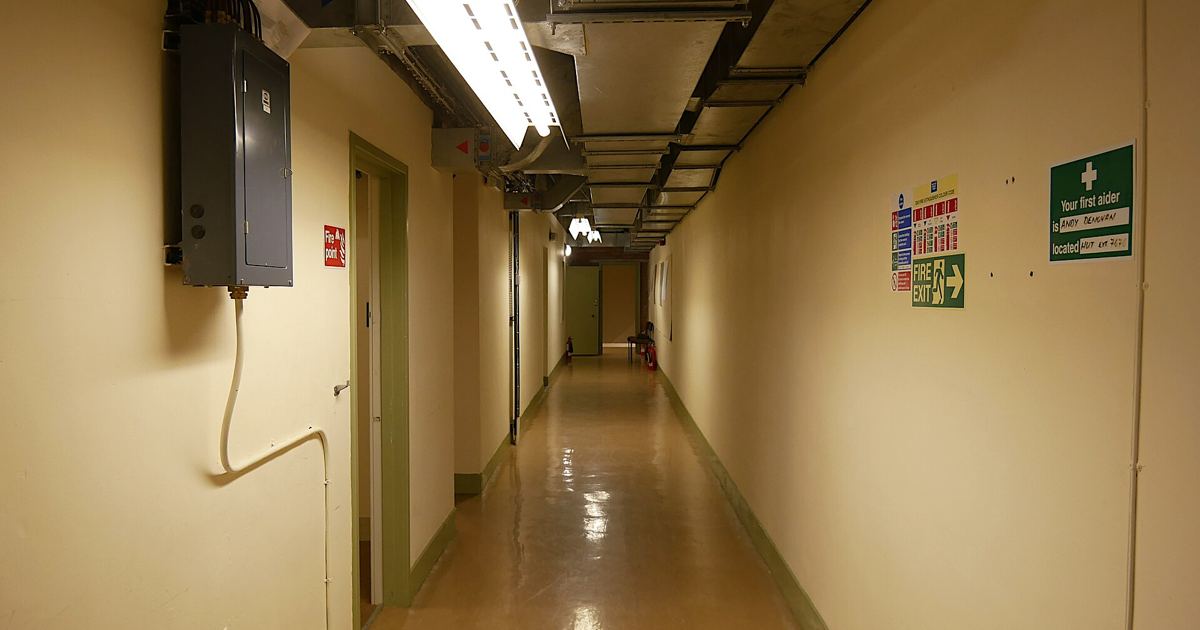 Bidding OSHA 29 CFR 1926.34 Means of Egress Requirements
Learn what OSHA 29 CFR 1926.34 requires for jobsite means of egress and how estimators account for exit signage and clear escape routes in bids.
Read article → Bidding OSHA 29 CFR 1926.153: LP-Gas Rules, Myths, and Facts
Separate myth from fact under OSHA 29 CFR 1926.153 for jobsite LP-Gas heating, cylinder storage, safety clearances, and bid estimating compliance.
Read article → Bidding OSHA 29 CFR 1926.152 Flammable Liquids Storage Rules
A checklist-driven bidding guide to OSHA 29 CFR 1926.152 requirements for storing and dispensing flammable liquids on construction jobsites.
Read article → Bidding OSHA 29 CFR 1926.105 Safety Net Requirements
Learn OSHA 29 CFR 1926.105 safety net requirements, impact test rules, edge rope ratings, and how to price net compliance into bids and schedules.
Read article → Bidding OSHA 1926.201 Signaling: Flagger and Hoist Mistakes
Avoid common bidding and scheduling mistakes under OSHA 29 CFR 1926.201 for flaggers, warning garments, and crane and hoist signaling.
Read article → Bidding OSHA 1926.154: Temporary Heating Device Rules
Learn OSHA 29 CFR 1926.154 temporary heating rules, Table F-4 clearances, ventilation mandates, and how to price temporary heat compliance into bids.
Read article → OSHA 29 CFR 1926.23: First Aid Rules for Construction Bids
Understand OSHA 29 CFR 1926.23 first aid requirements and how to budget medical provisions and emergency facilities in construction estimates and s…
Read article → Plywood Price Trends for Estimators: PPI Data and Bidding Checklist
Examine plywood Producer Price Index trends through September 2026 and follow a bidding checklist to structure escalation clauses for construction…
Read article → Plumbing Fixture Prices: PPI Trends Through September 2026
Examine BLS Producer Price Index trends for plumbing fixtures and fittings through September 2026 to support construction bids and escalation clauses.
Read article → Gypsum PPI Trends: Drywall Cost Myths and Bid Escalation
See what BLS Producer Price Index data through September 2026 shows for gypsum products, debunk common pricing myths, and protect bids.
Read article → Pricing Sheet Metal Workers Labor: Estimating Mistakes to Avoid
Avoid common estimating mistakes when pricing sheet metal workers labor using official BLS wage and workforce outlook data.
Read article → OSHA Top 10 Cited Standards: Bid-Day Safety Checklist & Comparison
Compare OSHA top cited standards for Fiscal Year 2026 to review safety compliance costs before finalizing your construction estimates and bids.
Read article → Subcontractor vs. Employee: When Is a Sub Actually on Payroll?
Learn how the IRS determines whether a construction worker is an independent contractor or employee based on behavioral and financial control.
Read article → Pricing Silica Dust Controls Under OSHA Table 1
How estimators can price compliant silica controls under OSHA Table 1 for concrete, masonry, and fiber-cement board tasks.
Read article → Contractor Recordkeeping Checklist: What to Keep and How Long
A checklist-driven recordkeeping guide for contractors covering proof of expenses, transaction records, and tax retention requirements.
Read article → Davis-Bacon Prevailing Wage: Myths vs. Facts for Bidders
Learn how Davis-Bacon prevailing wage rules impact public-works bids, from the $2,000 threshold to overtime and material delivery requirements.
Read article → OSHA 300 Log Recordkeeping: Quick Guide for Contractors
Learn OSHA injury recordkeeping under 29 CFR Part 1904, including Forms 300, 300A, and 301, severe incident reporting, and ITA submission deadlines.
Read article → Miller Act Bonds on Federal Projects: Thresholds and Rules
Learn statutory Miller Act bonding thresholds and payment bond protections under federal law for public construction and repair projects.
Read article → Where the Work Is: A Census Spending Walk-Through
Walk through August 2026 Census construction spending data to see where private and public project volume is heading.
Read article → How the SBA Surety Bond Guarantee Program Works: Contractor Guide
Learn how the SBA Surety Bond Guarantee program helps small contractors qualify for bid, payment, and performance bonds on public and private proje…
Read article → Pricing Pre-1978 Renovation: Common EPA RRP Rule Bidding Mistakes
Avoid costly bidding errors on pre-1978 buildings. Learn how the EPA lead RRP rule affects contractor certifications, testing, and project scopes.
Read article → Subcontractor W-9 Collection Checklist Before First Payment
A checklist-driven guide for general contractors collecting Form W-9 and taxpayer identification numbers before releasing initial subcontractor pay…
Read article → Bidding Demolition Under OSHA 1926.850: A Step-by-Step Walkthrough
Learn the preparatory requirements of OSHA 29 CFR 1926.850 and how to account for surveys, utilities, and fall protection in your bids.
Read article → Section 179 and Equipment Depreciation: A Contractor Walk-Through
Learn how Section 179 deductions, dollar limits, and depreciation rules apply to commercial contractor equipment purchases in this scenario walk-th…
Read article → Form 1099-NEC for Contractors: Subcontractor Q&A Guide
Learn how contractors use Form 1099-NEC to report nonemployee compensation to subcontractors, navigate related IRS forms, and handle e-filing rules.
Read article → Backup Withholding for Contractors: Myths and IRS Facts
Learn when a contractor must apply 24 percent backup withholding to subcontractor payments under IRS rules, what forms apply, and how to stay compl…
Read article → Quarterly Estimated Taxes for Contractors with Uneven Cash Flow
A step-by-step walkthrough for trade contractors managing estimated tax payments when project schedules and revenue fluctuate across payment periods.
Read article → OSHA 1926.1400 Scope: Crane Bidding Mistakes Subcontractors Make
Understand OSHA 29 CFR 1926.1400 crane scope rules, equipment exclusions, and knuckle-boom delivery limits before bidding construction jobs.
Read article → OSHA 1926.1427: Crane Operator Certification Bidding Guide
Understand OSHA 29 CFR 1926.1427 rules for crane operator training, certification, and evaluation, and see how compliance impacts your project bids.
Read article → Contractor Accounting Guide: Tax Years and Reporting Methods
Learn how contractors set up annual tax years and accounting methods under IRS rules to report project income and expenses consistently.
Read article → Home Office Deduction Guide for Estimators and Contractors
Learn how estimators and small contractors qualify for the IRS home office deduction, comparing the regular method with the simplified option.
Read article → Pricing Self-Employment Tax into Owner-Operator Rates
Learn how self-employment tax rates and earnings thresholds affect contractor labor rates and trade bid pricing.
Read article → De Minimis Safe Harbor vs. Capitalization: Tool Expensing
Compare the IRS de minimis safe harbor to capitalization rules for expensing small tools and equipment under the tangible property final regulations.
Read article → OSHA 29 CFR 1926.403: Construction Site Electrical Bidding Guide
Understand OSHA 29 CFR 1926.403 electrical rules, including working clearance, guarding, and mounting requirements when bidding construction projects.
Read article → Common Mistakes When Pricing Mileage and Truck Costs into Bids
Avoid travel estimating errors. Review IRS standard mileage rates and learn common mistakes when pricing truck expenses into commercial bids.
Read article → OSHA 29 CFR 1926.352: Hot Work Fire Prevention Comparison
Compare OSHA 29 CFR 1926.352 fire prevention rules for welding and cutting to price safety labor, gear, and field logistics into your bids.
Read article → OSHA 29 CFR 1926.703 Cast-in-Place Concrete Bidding Checklist
Bid cast-in-place concrete work accurately with this OSHA 29 CFR 1926.703 checklist covering formwork, shoring inspections, and stripping rules.
Read article → OSHA 29 CFR 1926.21 Safety Training: Estimating and Bid Compliance
Learn what OSHA 29 CFR 1926.21 requires for safety training and how trade contractors should account for instruction time in construction bids.
Read article → OSHA 29 CFR 1926.454 Scaffold Training: Bidding and Compliance
Review OSHA 29 CFR 1926.454 scaffold training mandates, qualified vs competent person rules, retraining triggers, and how to account for labor costs.
Read article → OSHA 29 CFR 1926.50: Medical and First Aid Rules for Your Bid
Learn what OSHA 29 CFR 1926.50 requires for first aid kits, certified responders, and site communication to account for medical costs in constructi…
Read article → Bidding OSHA 29 CFR 1926.62: Lead Compliance Requirements
Learn what OSHA 29 CFR 1926.62 requires for lead exposure, trigger tasks like drywall demolition, exposure thresholds, and estimating compliance co…
Read article → OSHA 29 CFR 1926.300: Tool Guarding Rules and Bid Estimating
Learn OSHA 29 CFR 1926.300 hand and power tool guarding requirements and switch rules through a step-by-step contractor bidding walk-through.
Read article → Bidding OSHA 29 CFR 1926.302: Power Tool Rules and Bid Costs
Avoid common bidding mistakes under OSHA 29 CFR 1926.302 for pneumatic, electric, fuel, hydraulic, and powder-actuated power-operated hand tools.
Read article → OSHA Ladder & Stairway Training: 29 CFR 1926.1060 Bid Guide
Learn what OSHA 29 CFR 1926.1060 requires for stairway and ladder training, debunk common compliance myths, and understand the cost impact on bids.
Read article → Bidding OSHA 29 CFR 1926.20 Rules: How to Price Safety
Learn how to price compliance for OSHA 29 CFR 1926.20, including competent person site inspections, safety programs, qualified operators, and indiv…
Read article → OSHA 1926.56 Illumination Requirements: Myths, Facts, and Bidding
Understand OSHA 29 CFR 1926.56 illumination requirements, Table D-3 foot-candle rules, and how to clarify lighting costs when bidding construction…
Read article → Estimating OSHA 29 CFR 1926.95: PPE Criteria and Costs
Learn what OSHA 29 CFR 1926.95 requires employers to provide, what items are exempt, and how to account for protective equipment costs in construct…
Read article → Bidding OSHA 1926.760 Steel Erection Fall Protection Rules
Learn how OSHA 29 CFR 1926.760 fall protection requirements apply to steel erection, decking zones, cables, and your bidding process.
Read article → Bidding OSHA 1926.250: Material Storage Requirements
Compare material storage rules under OSHA 1926.250, from floor setbacks to stack heights, and understand what compliance requires when estimating.
Read article → OSHA 29 CFR 1926.51 Sanitation Checklist for Bidders
Ensure jobsite compliance with this OSHA 29 CFR 1926.51 sanitation checklist covering drinking water, toilet ratios, and washing facilities for bids.
Read article → OSHA 29 CFR 1926.1101 Asbestos Bidding Guide for Contractors
Learn the OSHA 29 CFR 1926.1101 rules for asbestos in construction. Understand work classes, exposure limits, and compliance factors when estimatin…
Read article → Bidding Eye and Face Protection: 29 CFR 1926.102 Mistakes
Learn common bidding mistakes under OSHA 29 CFR 1926.102 eye and face protection rules, including lens shades, laser ratings, and prescription gear.
Read article → OSHA 29 CFR 1926.501: Bidding the 6-Foot Fall Protection Rule
Learn what OSHA 29 CFR 1926.501 requires at 6 feet and how estimators account for perimeter guardrails, holes, and hoist areas in their bids.
Read article → OSHA 29 CFR 1926.503 Fall Protection Training Explained
A quick-reference guide to OSHA 29 CFR 1926.503 fall protection training rules, certification records, retraining triggers, and bid considerations.
Read article → OSHA 29 CFR 1926.1153: Bidding for Silica Compliance in Construction
Understand OSHA 29 CFR 1926.1153 requirements, from Table 1 engineering controls to dust extraction specs, before pricing trade bids.
Read article → OSHA 29 CFR 1926.150 Fire Protection: Bid and Field Guide
A contractor reference for OSHA 29 CFR 1926.150 fire protection rules, extinguisher spacing, standpipes, and bidding jobsite safety requirements.
Read article →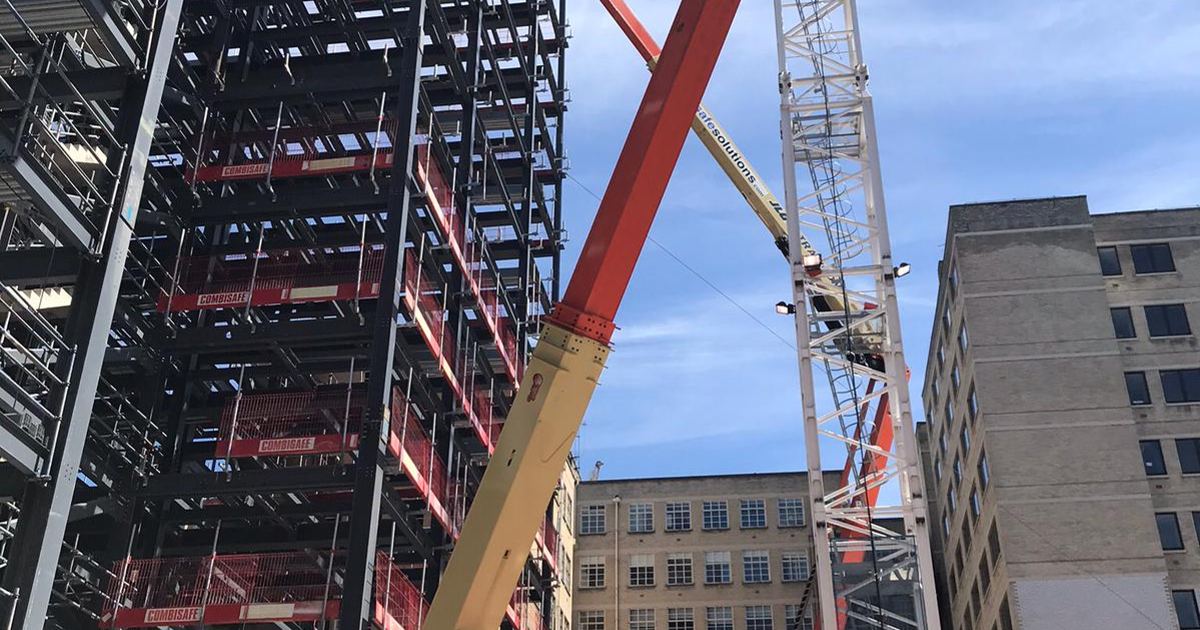 Bidding Aerial Lift Compliance Under OSHA 1926.453
Avoid common bidding mistakes under OSHA 29 CFR 1926.453 for aerial lifts, boom platforms, outriggers, fall restraint, and daily equipment inspecti…
Read article → OSHA 29 CFR 1926.1052: Bidding Jobsite Stairway Requirements
Learn OSHA 29 CFR 1926.1052 stairway rules, handrail dimensions, temporary tread standards, and how to price safety compliance into your bids.
Read article → OSHA 29 CFR 1926.52: Calculating Noise Exposure on Construction Bids
Learn OSHA 29 CFR 1926.52 permissible noise limits, Table D-2 exposure formulas, and how to price safety controls and hearing protection into your…
Read article → OSHA 29 CFR 1926.100 Head Protection: Bidding Walkthrough
Learn how to comply with OSHA 29 CFR 1926.100 head protection standards and properly account for hard hats in your construction bid estimates.
Read article →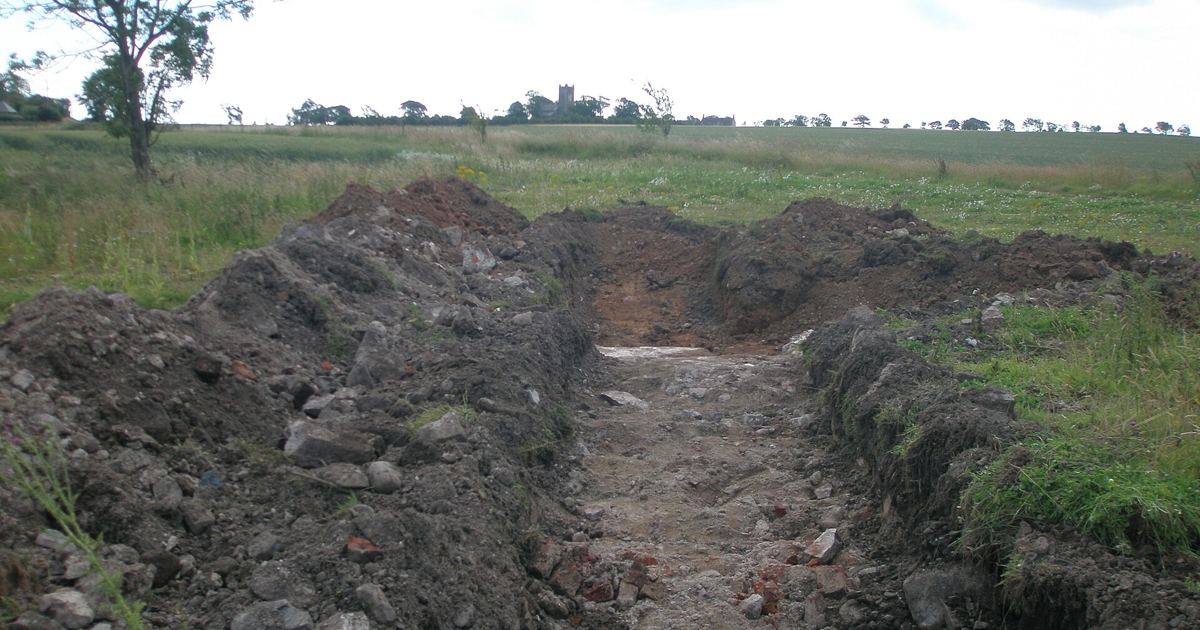 OSHA 29 CFR 1926.651: Excavation Requirements Bid Checklist
A checklist-driven bidding guide to OSHA 29 CFR 1926.651 excavation requirements, from utility locates and access to water control and structural u…
Read article → OSHA 1926.652 Trench Protective Systems: Myths vs. Facts
Learn what OSHA 29 CFR 1926.652 requires for trench sloping, shoring, and shield systems when building your construction bids.
Read article → OSHA 29 CFR 1926.25 Housekeeping: Bidding and Compliance
Understand OSHA 29 CFR 1926.25 housekeeping rules, scrap removal, and container mandates, and learn how to price cleanup compliance in construction…
Read article → OSHA Ladder Rules in Bidding: 29 CFR 1926.1053
Learn the physical requirements of OSHA 29 CFR 1926.1053 for ladders and how to account for access, setup, and equipment costs in your construction…
Read article → OSHA 1926.404: GFCI vs. Assured Equipment Grounding
Compare OSHA 1926.404 GFCI and Assured Equipment Grounding rules. Learn testing rules, inspection duties, and how to price electrical safety in you…
Read article → OSHA 1926.502 Guide: Guardrails, Safety Nets, and Fall Arrest
Compare OSHA 29 CFR 1926.502 criteria for guardrails, safety nets, and personal fall arrest systems to accurately price safety requirements into co…
Read article → Pricing Construction Painters Labor: What Federal BLS Data Shows
Examine BLS wage baselines, annual openings, and job outlook data for construction and maintenance painters to price labor accurately on your bids.
Read article →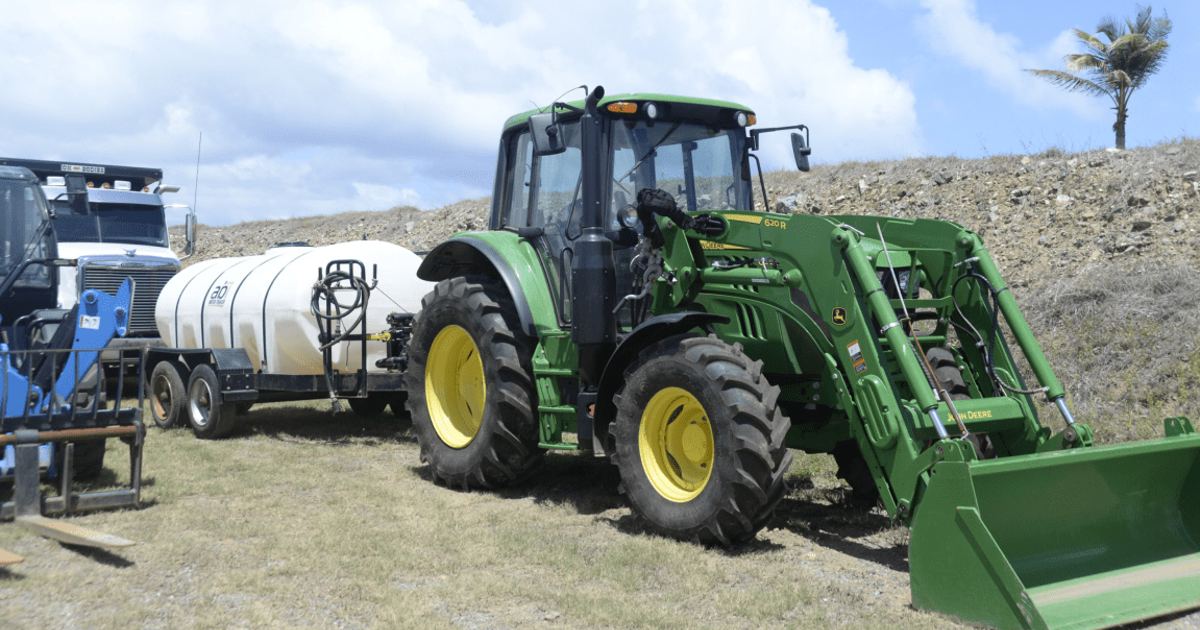 Pricing Construction Managers: Field Rates vs. Long-Term Demand
Compare hourly and annual BLS wage data with job outlook figures to price construction management labor accurately in project bids.
Read article → OSHA 29 CFR 1926.451 Scaffold Rules: Estimating Requirements
Review OSHA 29 CFR 1926.451 scaffold rules covering capacity, planking, tying ratios, and suspension to price safety requirements accurately in bids.
Read article →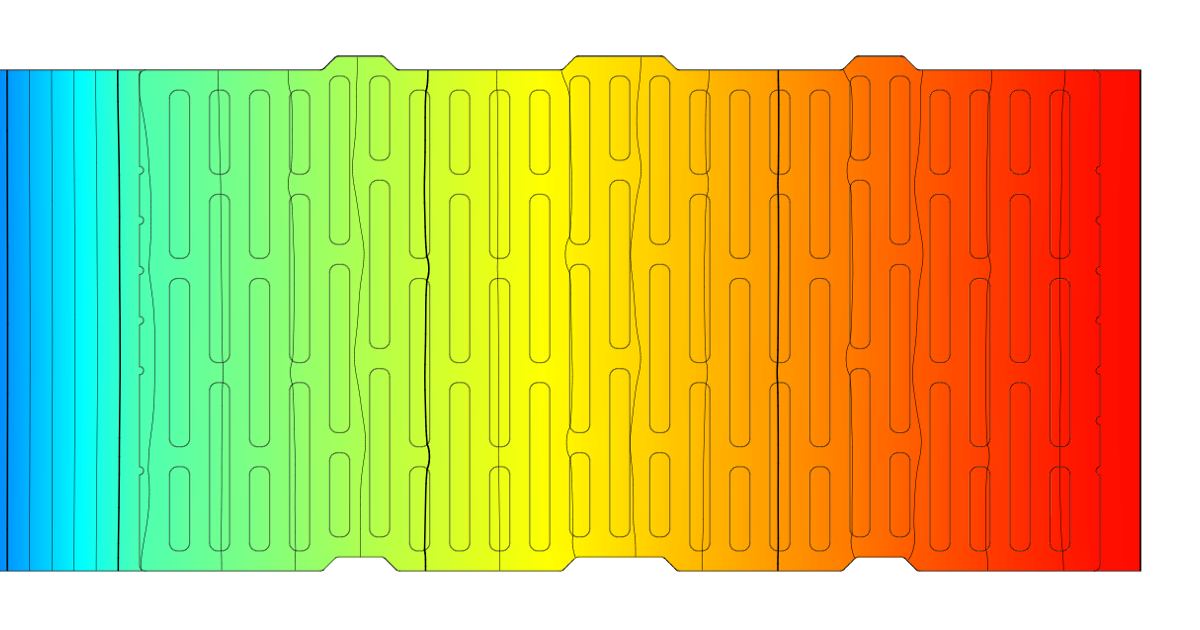 Masonry Labor Pricing: Bidding Myths and BLS Realities
Explore key myths and BLS wage data for masonry workers to build more accurate bids for brick, block, and stone construction projects.
Read article → Pricing Equipment Operator Labor: Checklist for Subcontractors
Use BLS wage benchmarks and workforce outlook data to price construction equipment operator labor accurately on your trade bids.
Read article →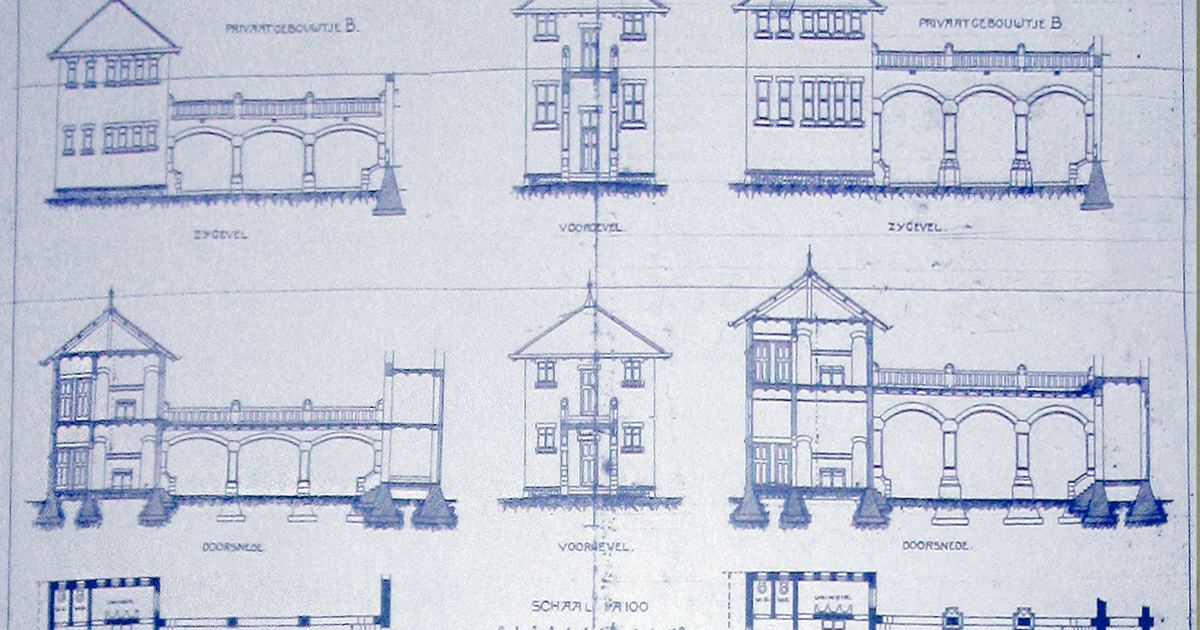 Pricing Estimator Labor: Using BLS Wage and Outlook Data
Examine BLS wage and job outlook data for cost estimators to help construction subcontractors accurately budget internal estimating labor.
Read article → Pricing Glaziers Labor: Estimating Guide to BLS Wage and Job Data
Learn how to price glazier labor using BLS wage rates, projected job openings, and site hazard factors for commercial and residential bids.
Read article → Pricing HVAC Mechanics and Installers Labor for Bids
Learn how BLS wage and outlook data for HVAC mechanics and installers can guide subcontractor bid pricing and labor cost benchmarks.
Read article → Pricing Inspector Labor: Myths vs. Facts for Construction Estimators
Discover what BLS wage and job-outlook data reveal about construction inspectors and learn how to price inspection labor into commercial bids.
Read article → Pricing Insulation Workers Labor: Estimator Guide to BLS Wage Data
Review BLS wage data and job outlook figures for insulation workers to build accurate labor cost estimates and subcontractor bids.
Read article → Pricing Ironworker Labor: BLS Wage and Employment Trends
Analyze BLS wage benchmarks, projected openings, and job outlook data to price ironworker trade labor and evaluate subcontractor proposals accurately.
Read article → Bidding OSHA 29 CFR 1926.452 Rules for Specific Scaffolds
Walk through OSHA 29 CFR 1926.452 rules for fabricated frame, pump jack, and ladder jack scaffolds to build compliant trade bids.
Read article → Pricing Tile and Stone Labor: BLS Wage and Job Outlook Guide
Learn how BLS median wages, physical demands, and job outlook for tile and stone setters help commercial estimators price subcontractor labor.
Read article → Roofing Labor Pricing Checklist: Estimating with BLS Wage Data
Price roofing labor accurately using BLS wage and outlook data. Review median pay, seasonal overtime, training requirements, and replacement openings.
Read article →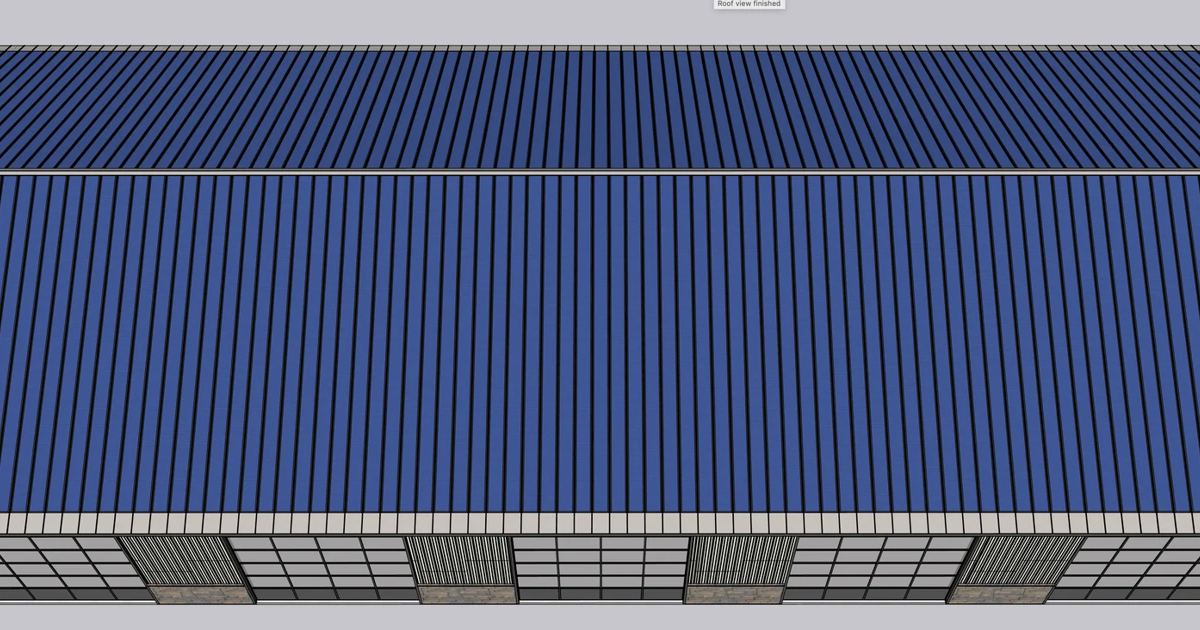 Metal Door and Trim Price Trends: PPI Explainer for Estimators
Metal doors, sash, and trim reached 526.7 in September 2026. Learn how estimators use BLS PPI series WPU1071 for bids and contract escalation clauses.
Read article → Lighting Fixtures PPI Trends: Estimator Guide Through September 2026
Explore lighting fixture price trends through September 2026 using BLS PPI data, with practical bidding and escalation clause strategies.
Read article → Ceramic Tile PPI Trends: Estimating Guide & Escalation Clauses
Track ceramic and quarry tile PPI trends through September 2026 to write accurate bids, clarify material allowances, and structure escalation clauses.
Read article →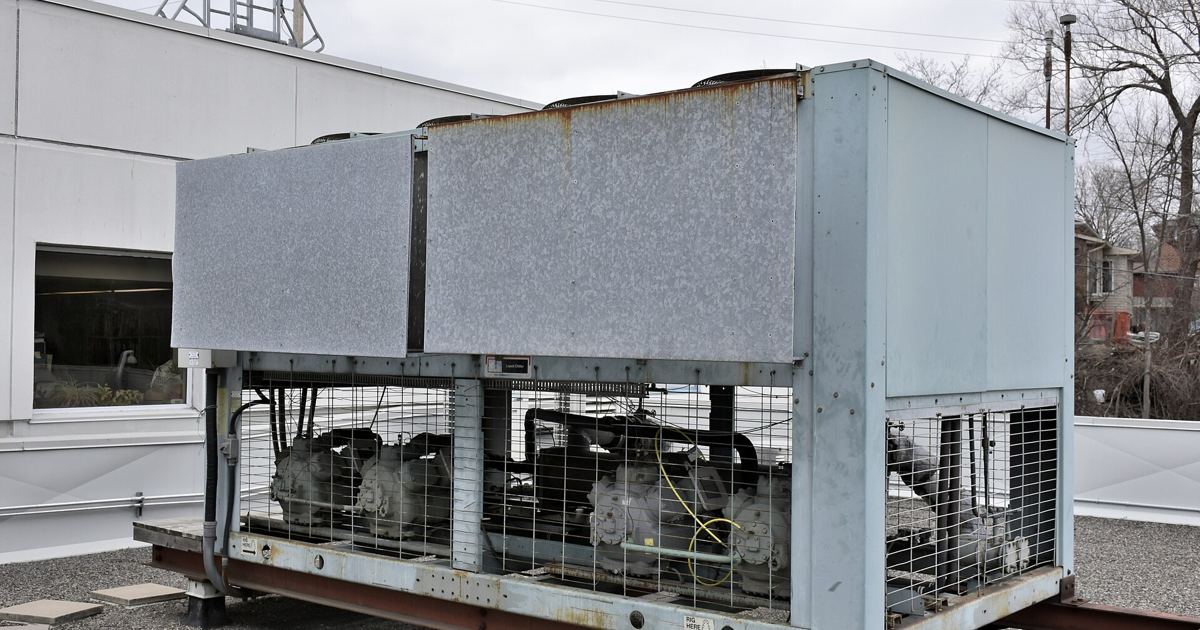 HVAC Equipment PPI Trends: Escalation Checklist for Bidders
Track BLS PPI series WPU1148 for AC and refrigeration equipment through September 2026. Use this checklist to build escalation clauses.
Read article →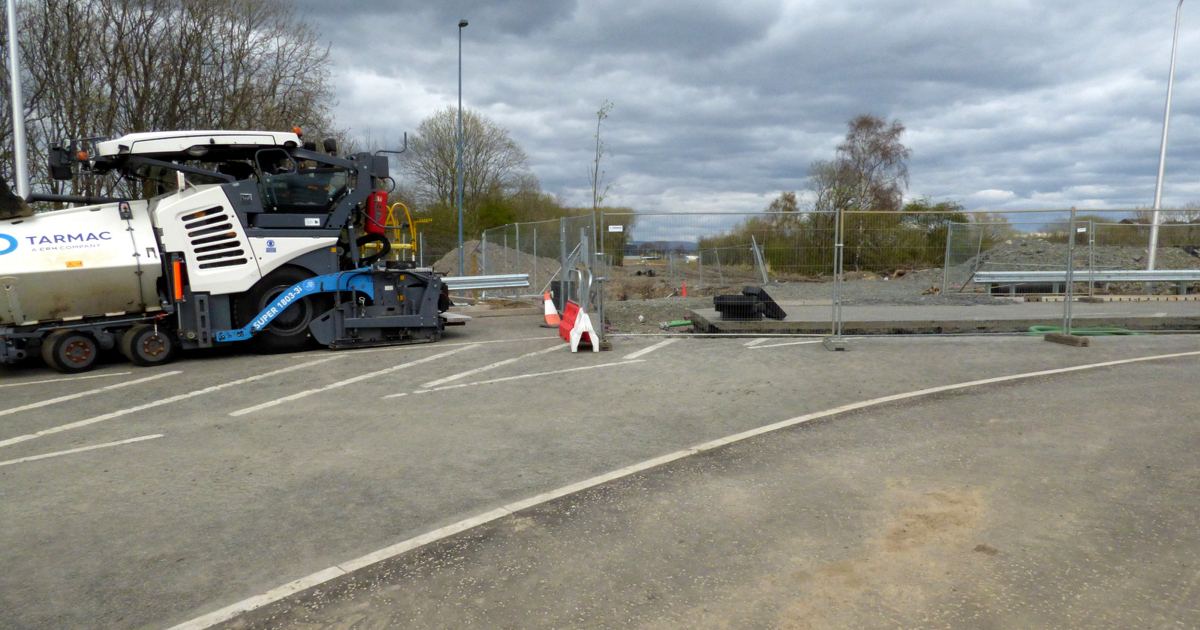 Asphalt PPI Trends for Estimators: Bidding and Escalation Mistakes
Avoid costly bidding mistakes by tracking asphalt Producer Price Index trends through September 2026 to build stronger material escalation clauses.
Read article → Pricing Construction Laborers: What BLS Wage Data Means for Bids
Learn how to price construction laborers and helpers using BLS wage and job outlook data to build accurate subcontractor bids.
Read article → Pricing Carpenter Labor: 5 Mistakes Estimators Must Avoid
Avoid costly bidding mistakes by understanding BLS carpenter wage data, annual job openings, and labor projections.
Read article →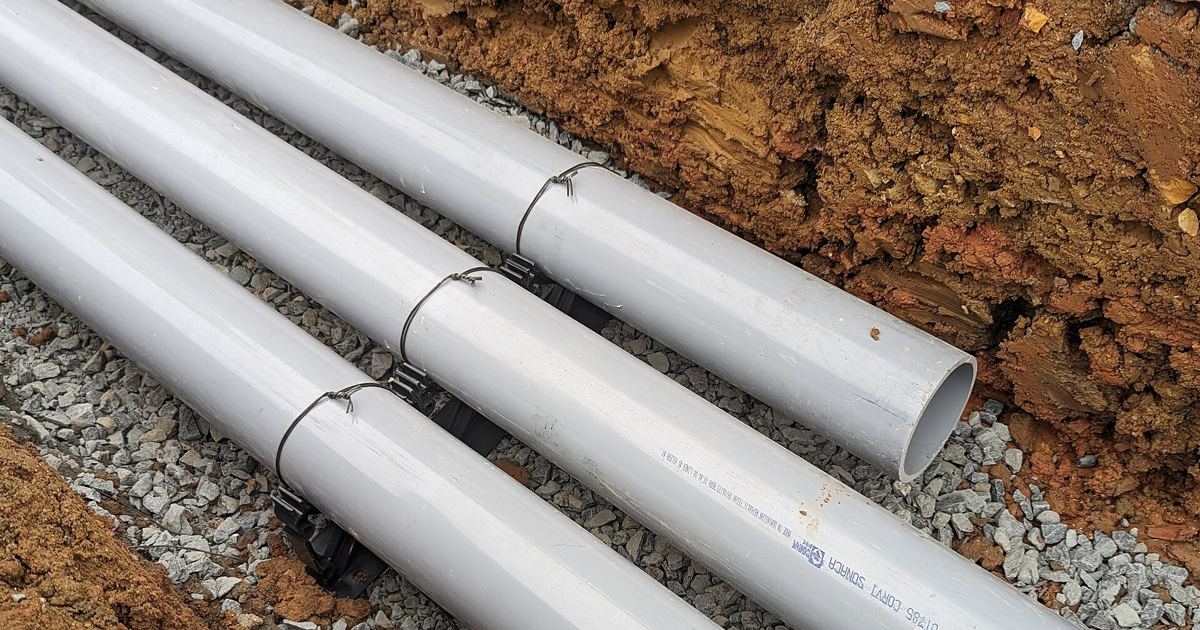 Pricing Electrician Labor: BLS Wages and Outlook Guide
Compare electrician wage data and job growth from the BLS to build accurate labor estimates and level trade proposals effectively.
Read article →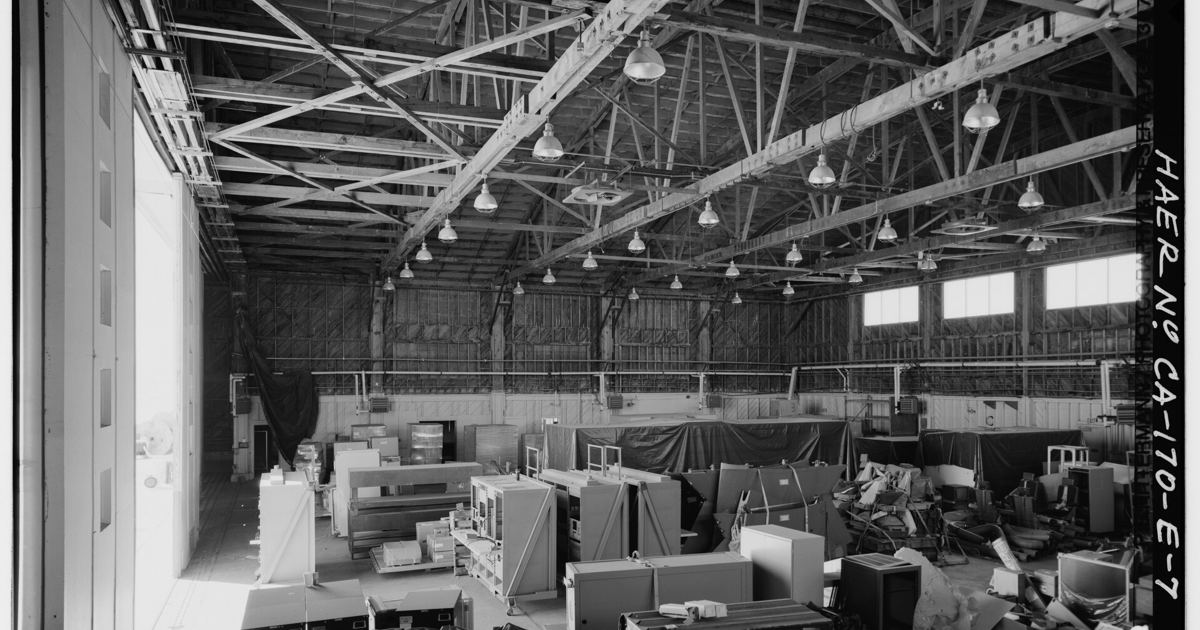 Prefabricated Structural Wood Price Trends: PPI Guide for Bids
Review BLS Producer Price Index data through September 2026 for prefabricated structural wood members and learn how to use it in bids.
Read article →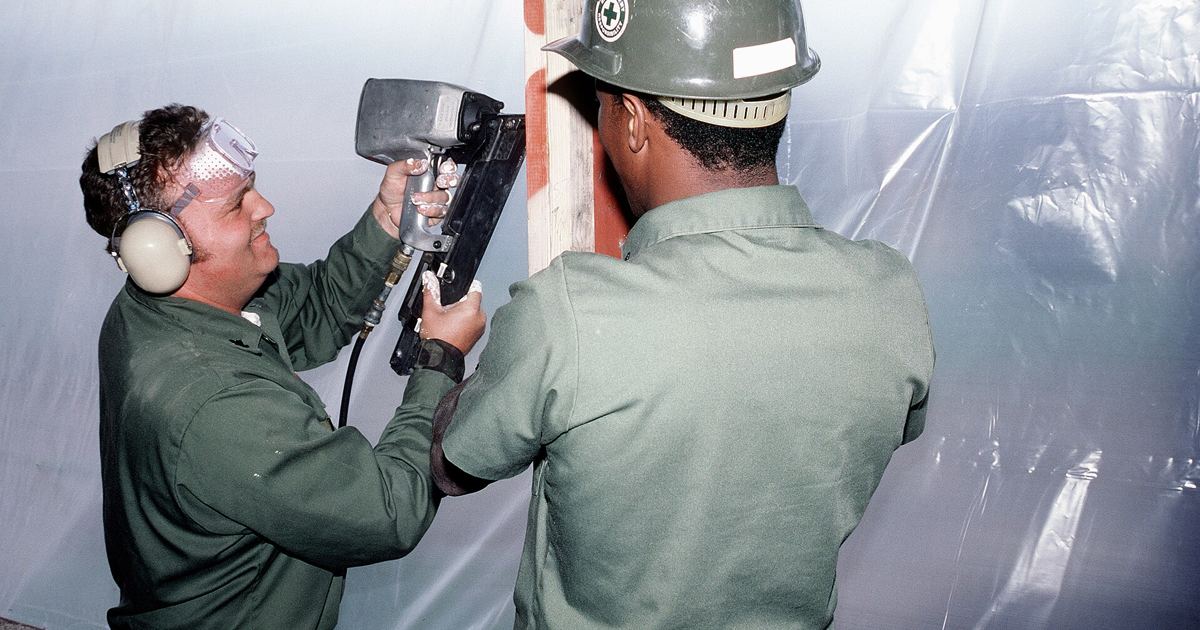 Residential Input Price Trends: Estimator's PPI Walkthrough
Learn how to track BLS residential construction input price trends through September 2026 and apply index figures to bids and escalation clauses.
Read article → Prepared Paint Price Trends: PPI Guide for Estimators
Compare prepared paint PPI data through September 2026 and learn how to use BLS price trends in construction bids and escalation clauses.
Read article →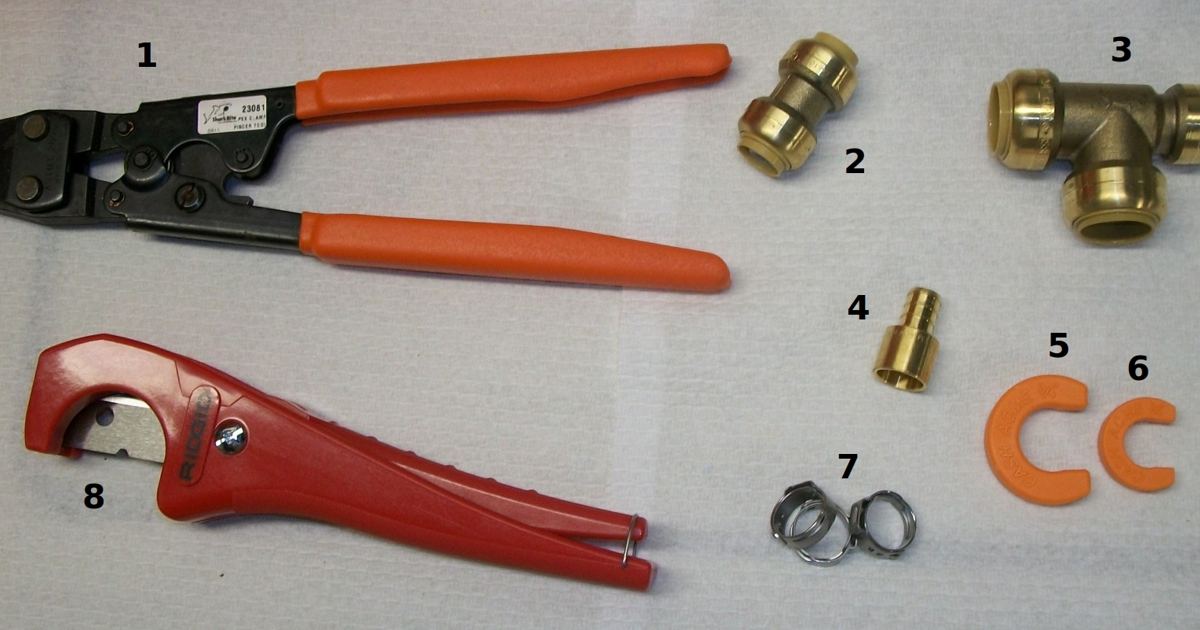 Pricing Plumbing Labor: BLS Wage and Job Outlook Quick Guide
Examine official BLS wage, staffing, and growth metrics for plumbers, pipefitters, and steamfitters to build accurate mechanical labor estimates.
Read article → Diesel Fuel PPI Trends: How Estimators Can Track Spikes and Escalation
Track BLS No. 2 diesel fuel PPI trends through September 2026 to build workable escalation clauses and protect construction estimates.
Read article → PPI Construction Input Trends: September 2026 Data for Bidders
BLS Producer Price Index data through September 2026 shows construction inputs hit 172.2. Learn how to track index trends and write price escalatio…
Read article →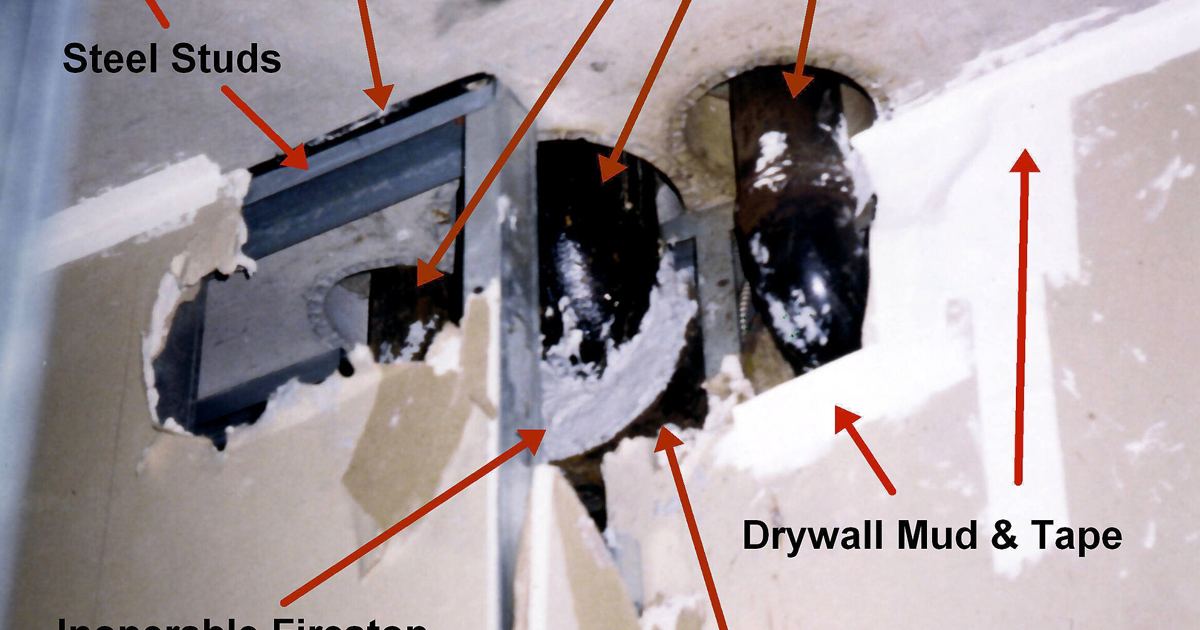 Pricing Drywall and Ceiling Tile Labor: BLS Wage Walk-Through
Learn how to price drywall and ceiling tile installers labor using BLS median wage benchmarks and job-outlook data in this estimating walk-through.
Read article →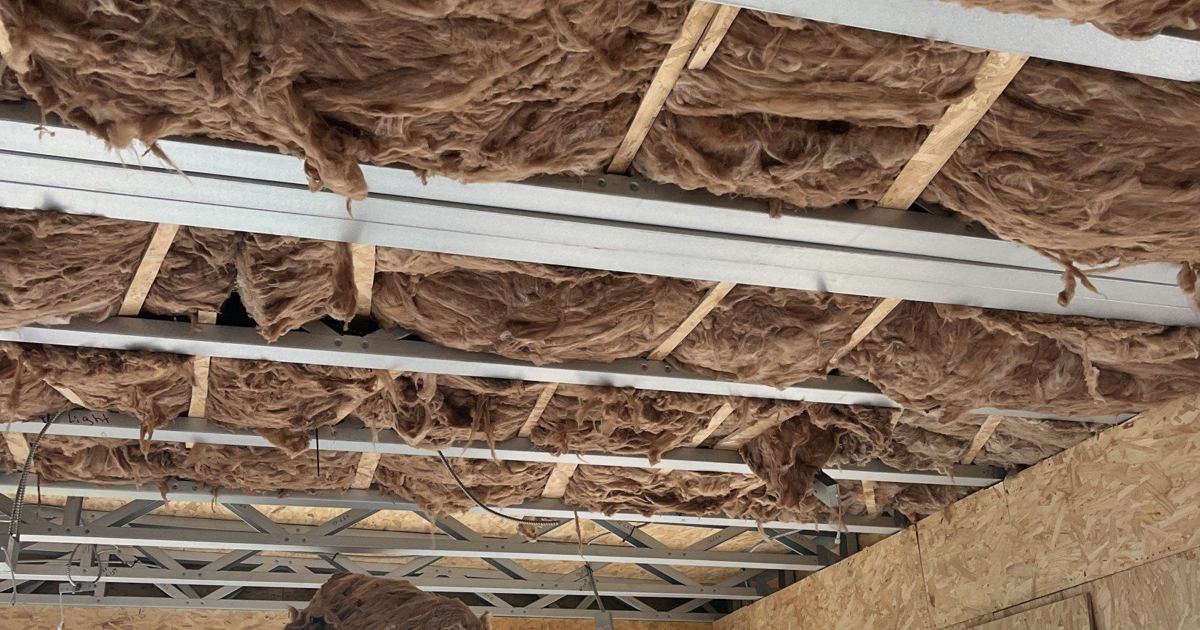 Insulation PPI Trends: How to Build Bid Escalation Clauses
Examine insulation PPI trends through September 2026 and learn how estimators use BLS commodity series WPU1392 to structure bid escalation clauses.
Read article →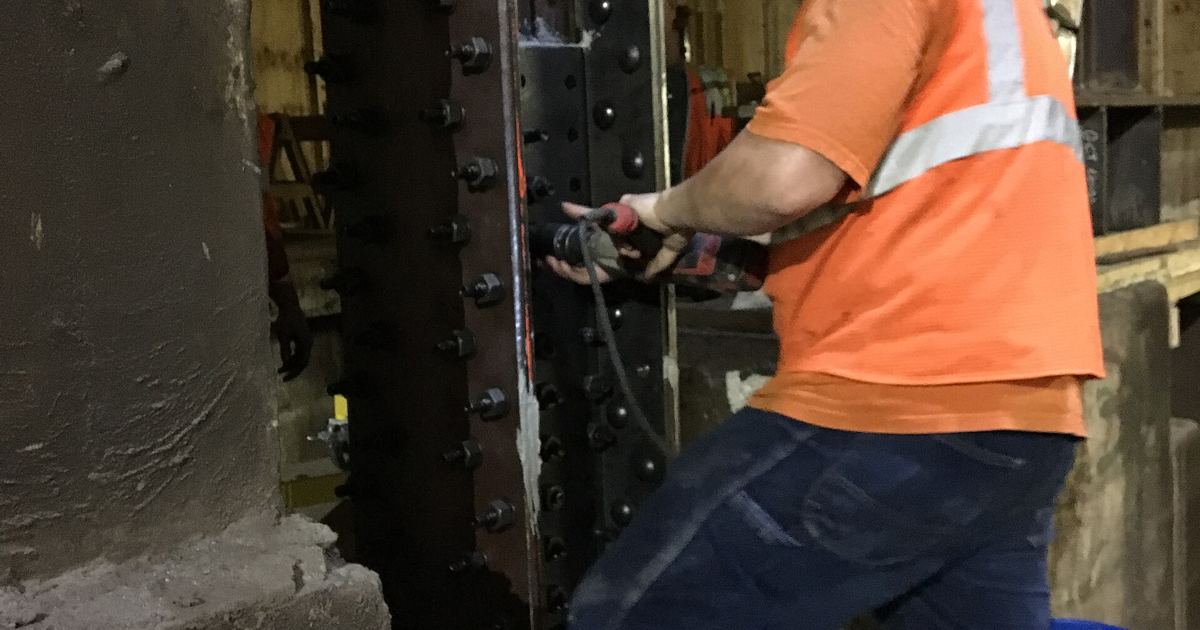 Fabricated Structural Metal Bidding Checklist: PPI Trends & Escalation
Track BLS Producer Price Index trends through September 2026 to verify structural metal quotes, manage volatility, and draft escalation terms.
Read article → Softwood Lumber PPI Trends for Estimators: 2026 Data & Escalation
BLS PPI data through September 2026 shows softwood lumber at 288.6. Learn how estimators track trends and structure material price escalation clauses.
Read article → Steel Mill PPI Trends for Estimators: Bids and Escalation Clauses
Understand BLS steel mill products PPI trends through September 2026 and learn how estimators protect bids with clear index-based escalation clauses.
Read article → Copper Wire and Cable Price Trends: PPI Guide for Estimators
Review BLS PPI copper wire and cable trends through September 2026 and learn how estimators apply the index to bids and escalation clauses.
Read article → Tracking Cement PPI Trends and Drafting Escalation Clauses
Examine BLS cement PPI movements through September 2026 and follow a step-by-step process to build objective bid escalation terms.
Read article → Ready-Mix Concrete PPI Trends and Escalation Clauses for Estimators
Track ready-mix concrete PPI trends through September 2026 and learn how estimators apply BLS index data to construction bids and escalation clauses.
Read article → Aggregate Pricing Pitfalls: Tracking PPI in Estimates
Avoid costly bidding mistakes by using BLS PPI series WPU1321 trends for construction sand, gravel, and crushed stone in contracts.
Read article → Brick and Structural Clay Tile Price Trends for Estimators
Examine BLS PPI data for brick and structural clay tile through September 2026 to guide bidding assumptions and contract escalation clauses.
Read article →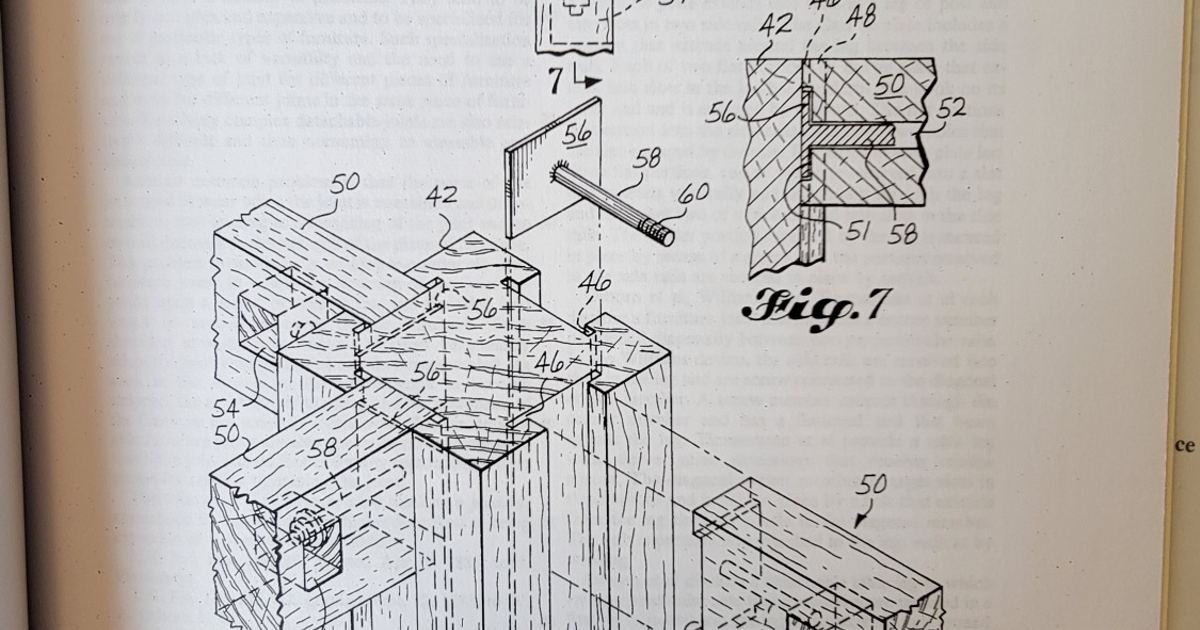 Aluminum Mill Shapes PPI Trends and Escalation for Estimators
Track BLS PPI trends for aluminum mill shapes through September 2026 and see how commercial estimators write material escalation clauses.
Read article →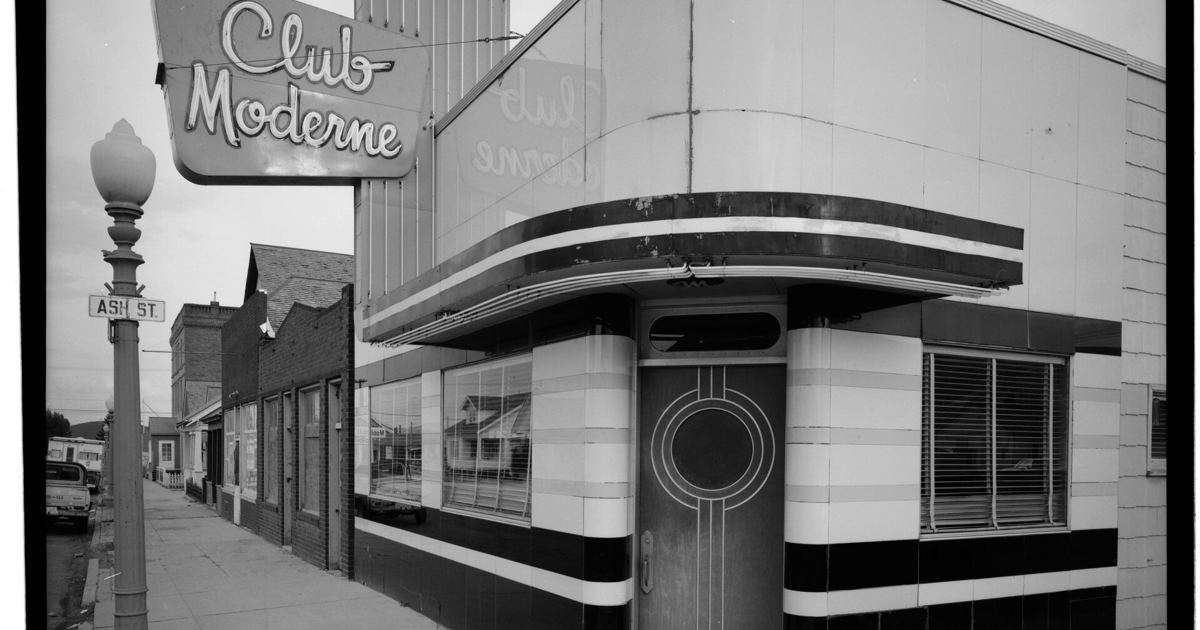 Flat Glass Price Trends: Estimator Guide to BLS PPI Data
Compare BLS flat glass PPI trends through September 2026 to evaluate material cost shifts and structure bid escalation clauses.
Read article → Asphalt Roofing and Siding PPI: Estimator Guide & Clause Setup
Track BLS PPI trends for asphalt roofing and siding products through September 2026 to build verified bids and material price escalation clauses.
Read article → Liquidated Damages in Construction: What They Are and How to Bid a Job That Has Them
How liquidated damages (LDs) work, how a daily LD rate is set, the federal rules that say LDs must be a reasonable forecast rather than a penalty…
Read article →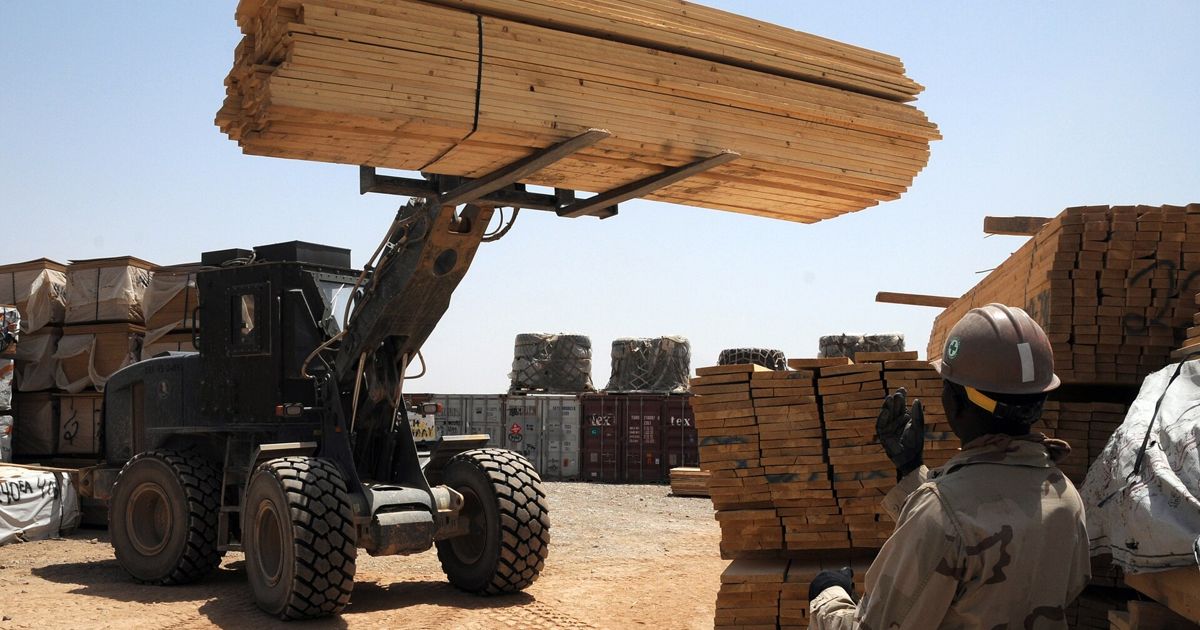 Price Escalation Clauses: How to Protect Your Bid From Material Price Swings
How material and labor escalation clauses work, what the federal escalation clause actually says, and how subcontractors can write a fair escalatio…
Read article →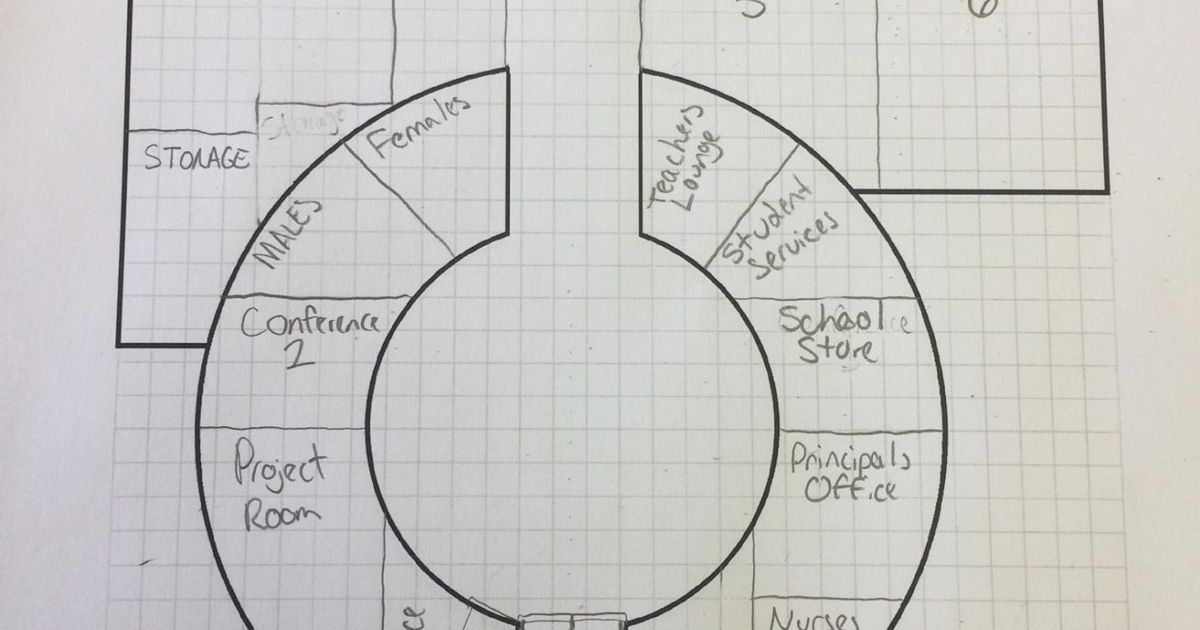 Lump Sum vs. Unit Price vs. Cost-Plus: How Contract Type Changes Your Bid
Fixed price, unit price and cost-plus contracts put risk in different places. How each contract type works, who carries the cost risk, and how to a…
Read article →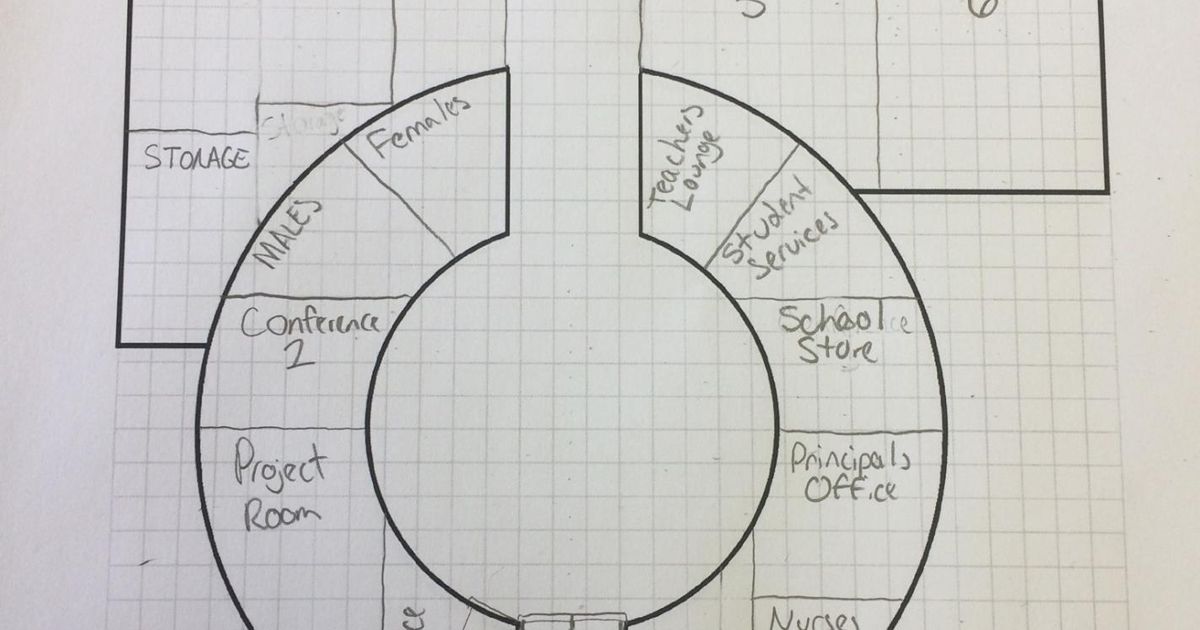 Bid Exclusions and Clarifications: How to Write a Proposal That Protects You
A clear scope letter wins jobs and prevents disputes. How to write inclusions, exclusions, clarifications and assumptions in a subcontractor bid pr…
Read article → Retainage Explained: How It Works and How Subcontractors Protect Cash Flow
Retainage holds back part of every payment until the job is done. How retainage works, what the contract and law say, and practical ways subcontrac…
Read article → Estimating General Conditions: The Job Costs That Aren't in Your Takeoff
Supervision, trailers, dumpsters, lifts, permits and cleanup: how to estimate general conditions costs for a subcontract or GC bid, with a checklis…
Read article → Pricing Change Orders: A Contractor's Guide to Getting Paid for Extra Work
Change orders are where many jobs make or lose money. How to price labor, material, equipment, markup and time, what backup to include, and how to…
Read article → How to Level Subcontractor Bids (Bid Leveling, Step by Step)
The lowest sub bid is not always the cheapest. How to compare subcontractor quotes line by line, find scope gaps and exclusions, and pick the right…
Read article → Estimating Contingency: How Much to Carry and Where It Belongs
Contingency protects your bid from the unknowns. The difference between contingency, allowances and escalation, how to size it by risk, and how to…
Read article → Bid Bonds, Performance Bonds and Payment Bonds: A Contractor's Guide
What bid, performance and payment bonds are, when public jobs require them, how surety approval works, what they cost, and how the SBA can help sma…
Read article → Labor Burden: How to Calculate Your True Hourly Labor Cost
The wage you pay isn't what labor really costs. How contractors calculate labor burden (payroll taxes, workers' comp, insurance, benefits, paid tim…
Read article → Waste Factors in Takeoffs: How Much Extra Material to Carry
How to set waste factors for drywall, studs, ceiling tile and finishes in your takeoffs, why one number doesn't fit every job, and how to track you…
Read article →Bid Day Checklist for Drywall and Ceiling SubcontractorsBid Day Checklist for Drywall and Ceiling SubcontractorsA practical bid-day checklist: addenda, scope sheets, inclusions and exclusions, alternates, bonds, schedule, and a final sanity check before you s…
Read article →Metal Stud Framing Takeoff: Studs, Track, Openings and GaugesMetal Stud Framing Takeoff: Studs, Track, Openings and GaugesA practical method for taking off non-structural steel stud walls: stud counts from spacing, top and bottom track, openings, corners and gauge sele…
Read article →Estimating Fire-Rated Wall and Ceiling Assemblies: What to CheckEstimating Fire-Rated Wall and Ceiling Assemblies: What to CheckHow UL design numbers drive a fire-rated drywall bid: board type, layers, stud spacing, fasteners, joint treatment and penetrations.
Read article →Acoustical Ceiling (ACT) Takeoff: Grid, Tile and PerimeterAcoustical Ceiling (ACT) Takeoff: Grid, Tile and PerimeterHow to take off suspended acoustical tile ceilings: square footage by tile type, main runners, cross tees, wall angle, hanger wires and the extras…
Read article →Drywall Finish Levels 0-5: What Each Level Means for Your EstimateDrywall Finish Levels 0-5: What Each Level Means for Your EstimateLevel 0 through Level 5 drywall finish explained, where each is typically specified, and how finish level changes labor and material in a bid.
Read article →On-Screen Takeoff vs. Quick Bid: What Each One DoesOn-Screen Takeoff vs. Quick Bid: What Each One DoesOn-Screen Takeoff measures your plans; Quick Bid prices the job. How the two ConstructConnect tools fit together for drywall and framing contractors.
Read article →Markup vs. Margin: The Bidding Mistake That Costs Contractors MoneyMarkup vs. Margin: The Bidding Mistake That Costs Contractors MoneyWhy a 20% markup is not a 20% profit margin, the formulas for both, and how to set overhead and profit in your estimates.
Read article →Drywall Takeoff Basics: Sheets, Waste, Mud and TapeDrywall Takeoff Basics: Sheets, Waste, Mud and TapeHow to turn wall and ceiling areas into drywall sheet counts, waste factors, and rough mud, tape and screw quantities.
Read article →